

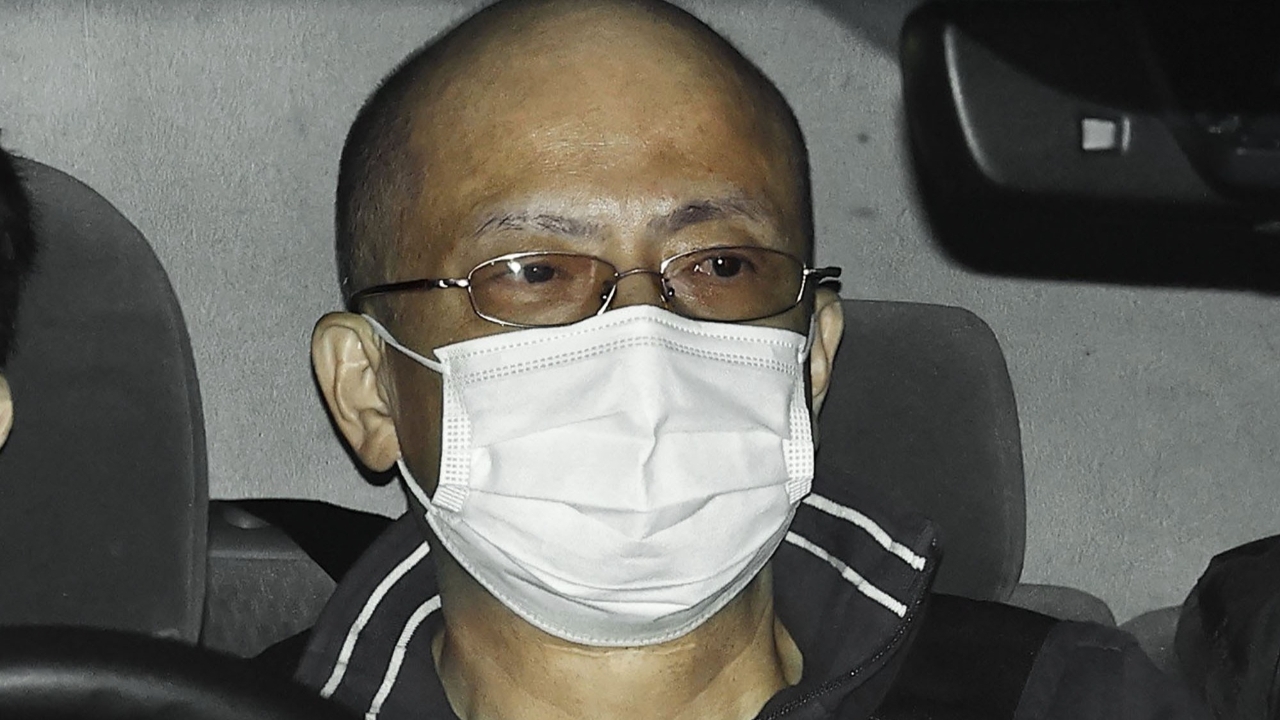
Kyoto District Court acquitted a senior Yakuza gang member in the 2013 murder case of Takayuki Ohigashi, known as the "Gyoza King," president of the well-known restaurant chain "Gyoza no Osho." The court stated that forensic evidence raised doubts and did not rule out the possibility that key evidence, such as the cigarette butt, was planted to frame the accused.
The Kyoto District Court in Japan acquitted 59-year-old Yukio Tanaka, a senior member of the Kudo-kai organization, one of Japan's major Yakuza crime groups, in the murder case of 72-year-old Takayuki Ohigashi, former president of Osho Food Service, operator of the famous gyoza restaurant brand "Gyoza no Osho," also known as the "Gyoza King."
Ohigashi was shot four times with a .25 caliber semi-automatic pistol in the chest and abdomen as he got out of his car in the parking lot of the company's headquarters in Yamashina, Kyoto, at about 05:45 on 19 December 2013. He died from severe blood loss. At the time, several hundred thousand yen in cash was found inside his car.
According to the indictment, Tanaka was accused of conspiring with unidentified individuals to shoot Ohigashi. Prosecutors attempted to prove guilt through various circumstantial evidence since there was no direct evidence linking the defendant to the victim, nor a clear motive for the crime.
Key evidence presented by the prosecution included a cigarette butt found near the crime scene containing DNA matching Tanaka’s. Investigative sources noted that the cigarette was the same brand Tanaka regularly smoked at that time.
Additionally, police found gunshot residue on the handle of a stolen motorcycle taken about two months before the incident, believed to have been used as a getaway vehicle, along with a scooter stolen around the same time. Both vehicles were found near the crime scene in spring 2014.
Authorities also reviewed CCTV footage near Ohigashi’s residence during the investigation before arresting Tanaka after DNA tests on the cigarette butt matched the suspect’s profile.
However, Tanaka has denied the charges since the trial began in November 2015. His defense team argued that at the time of the murder, Tanaka was likely in Fukuoka Prefecture, several hundred kilometers from Kyoto.
The defense also pointed out the absence of smoking residue at the crime scene, raising doubts that the cigarette butt was not smoked there and may have been deliberately planted to incriminate Tanaka.
In its verdict, the court noted it could not exclude the possibility that the cigarette butt was brought from another location, thus the evidence was insufficient to conclusively prove the defendant’s guilt, leading to an acquittal.
Prosecutors had sought a life sentence for Tanaka. The trial spanned 12 sessions with about 40 witnesses questioned, concluding on 29 June.
This trial did not involve a citizen jury, at the prosecution’s request, citing concerns that jurors might be threatened or intimidated by crime gang members before the trial.
Although acquitted in Ohigashi’s murder case, Tanaka remains serving a 10-year prison sentence for a 2008 firearm shooting incident involving a car belonging to Obayashi, a major construction company in Fukuoka Prefecture, where three people were inside. He was sentenced in November 2020.
In March 2016, an independent committee investigating links between Osho Food Service and antisocial groups revealed the company had engaged in inappropriate business transactions with executives of a certain corporate group before Ohigashi became president in 2000.
Osho Food Service is listed on the Tokyo Stock Exchange and operates Chinese restaurants selling gyoza under the "Gyoza no Osho" brand, a popular fast-food chain in Japan. It opened its first branch in 1967 and currently has over 700 locations nationwide.
/sourceJapan Today/Kyodo