

South Korea announced the partial withdrawal of some staff from its embassy in Ukraine amid diplomatic tensions after President Volodymyr Zelensky publicly revealed the transfer of two North Korean prisoners of war back to South Korea. Meanwhile, ongoing aerial attack threats continue to hinder the security of personnel.
The South Korean Ministry of Foreign Affairs stated that the government decided to withdraw some staff from the South Korean embassy in Ukraine due to unresolved diplomatic disputes over the transfer of two North Korean POWs back to South Korea, coupled with nationwide aerial attack threats making personnel security difficult to maintain.
Park Doo-soon, spokesperson for the South Korean Ministry of Foreign Affairs, said at a press conference that Ukraine has not yet responded positively to South Korea's demands to resolve the dispute stemming from Ukraine's unilateral disclosure of the prisoner transfer.
However, South Korea will maintain essential diplomatic communication channels with Ukraine, with deputy embassy staff overseeing these. All consular officials will continue their duties within the country to protect and assist South Korean citizens.
Previously, the South Korean government recalled Park Ki-chang, the ambassador to Ukraine, to express displeasure over President Zelensky's disclosure, which South Korea viewed as a unilateral revelation. South Korea also demanded an official explanation and apology from Ukraine, and requested a statement from the Ukrainian presidential office confirming that there was never an agreement to keep this matter confidential.
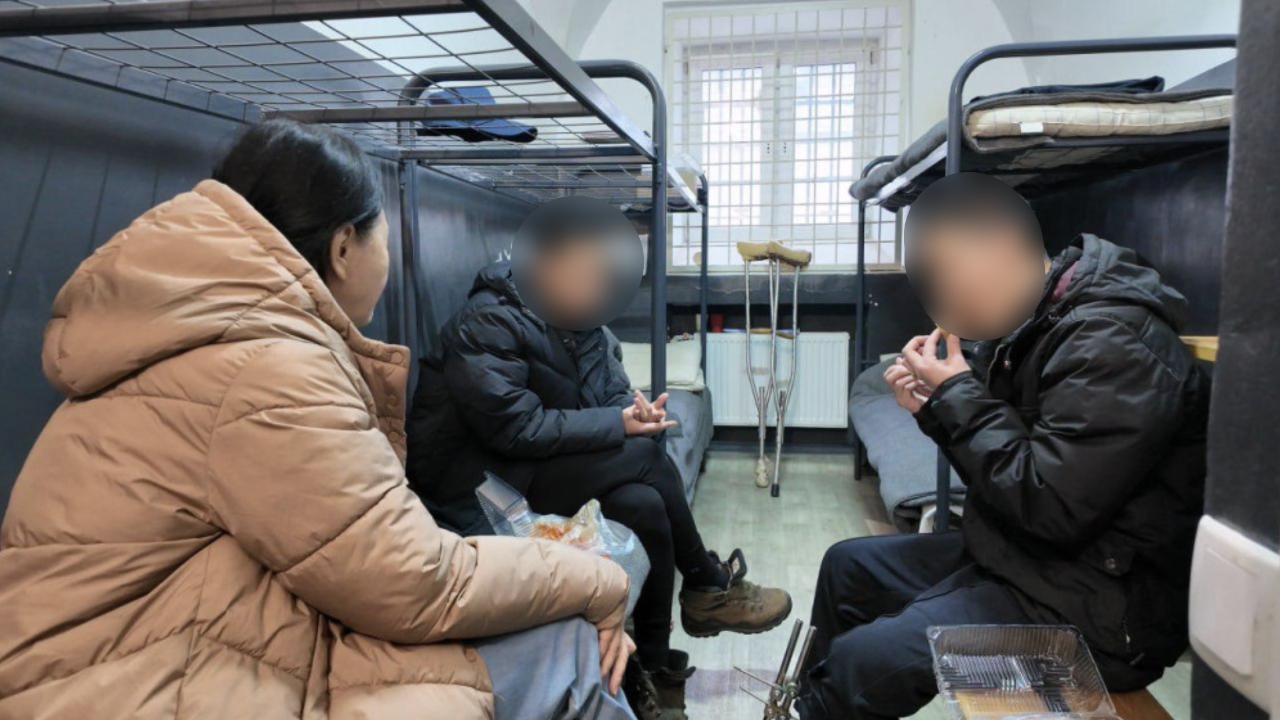
The two North Korean prisoners of war were captured in January 2025 while fighting alongside Russian forces in Russia's Kursk region and arrived in South Korea in mid-September, according to South Korean officials. Prior to this, South Korean media released images of the two, enabling their identification.
The dispute between the two countries escalated after Zelensky revealed the prisoner transfer last month, angering the South Korean government, which said such information should have been kept confidential to protect the families of the POWs still in North Korea, a country known for retaliatory measures against defectors and their families.
Earlier, South Korea summoned the Ukrainian ambassador to provide explanations and threatened unspecified additional measures. Ukraine called for diplomacy over emotion and later stated it believed the situation had been resolved.
Earlier this month, South Korean Foreign Minister Cho Hyun said Ukraine had sent a message with an apology regarding Zelensky's disclosure, but the content did not meet South Korea's expectations. Meanwhile, South Korean intelligence assessed that Zelensky might have revealed the information to boost public support in South Korea for its government's potential arms supply to Ukraine.
In recent years, South Korea has become a major arms exporter, especially following Russia's invasion of Ukraine in early 2022, securing multi-billion-dollar arms deals with Poland. However, South Korea continues to avoid supplying lethal weapons to Ukraine, adhering to a long-standing policy of not sending arms to countries engaged in active military conflict.