

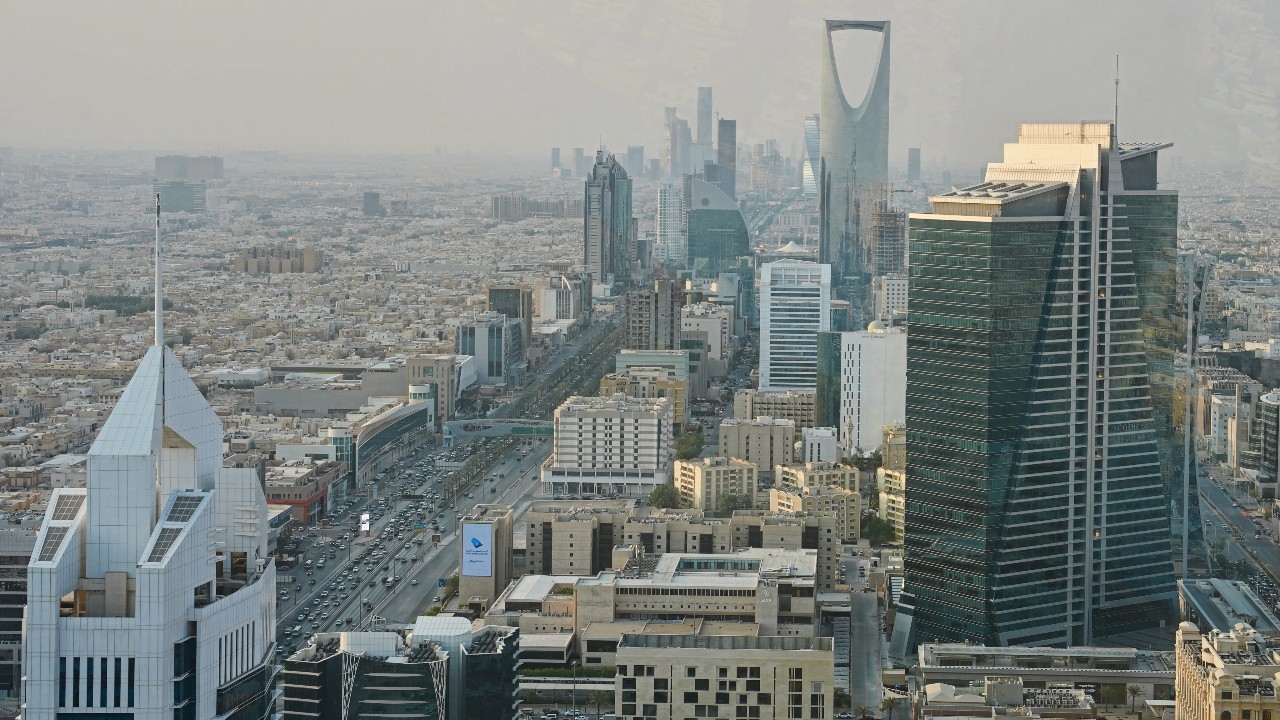
The US Department of State has ordered non-essential embassy personnel and their family members to leave Saudi Arabia amid ongoing attacks by the Iran-backed Houthi group in Yemen. These attacks have caused deaths and injuries, as well as disruptions to air travel and critical infrastructure, while the conflict in the Middle East appears to be escalating.
The US Department of State announced that it has ordered non-essential personnel at the US Embassy in Riyadh and related consulates, along with their families, to depart Saudi Arabia due to increased security risks from the Iran-backed Houthi attacks in Yemen.
Tommy Piggott, spokesperson for the US Department of State, stated that the Houthi group has intensified attacks on Saudi Arabia, targeting civilian airports and critical infrastructure, causing civilian casualties and travel disruptions. He emphasized that the safety of US personnel and their families is the highest priority.
This order follows near-daily Houthi attacks on Saudi Arabia this month, including an assault on King Khalid International Airport in Riyadh, which led to the airport’s closure from 10 October. Some flights resumed Wednesday after authorities allowed airlines to operate under certain conditions. However, major carriers such as Lufthansa and Air France continue to cancel flights to Riyadh until mid-November.
Tensions further escalated after Saudi Arabia’s Ministry of Energy reported debris from intercepted drones targeting the Shaybah oil field in the country’s southeast near the United Arab Emirates border, resulting in two deaths—a Filipino and a Nepalese—and two injuries. The authorities did not specify who launched the drones.
Meanwhile, the Saudi-led coalition operating in Yemen said it intercepted multiple drones headed for Saudi Arabia. Earlier reports indicated six drones were intercepted. Aviation officials reported an attack on the airport in Dammam in eastern Saudi Arabia caused one death and eight injuries.
The US Department of State added that embassies in other Persian Gulf countries might also temporarily adjust staff levels, but this evacuation order applies only to Saudi Arabia. US embassies across the region are already operating under restricted conditions.
Previously, the US ordered non-essential personnel to leave Gulf countries prior to the outbreak of conflict with Iran in late February, and took similar measures again in July before President Donald Trump canceled plans for a new round of strikes.
Recently, Iran’s official news agency IRNA reported hearing multiple explosions late Wednesday in Karpan, Sirik city, Hormozgan province, southern Iran, near the Strait of Hormuz. No cause or details of the explosions have been disclosed.
The war involving the US, Israel, and Iran began in late February after US and Israeli attacks killed Iran’s supreme leader and senior military commanders. Iran subsequently tried to block the Strait of Hormuz, requiring permission for all vessels passing through. The US responded by blockading Iranian ports and ships.
The Strait of Hormuz is a strategic maritime route normally handling about one-fifth of global oil shipments, so conflicts there impact energy security and international shipping.
In Yemen, fighting between the Iran-backed Houthi group and the internationally recognized Yemeni government has intensified after a four-year ceasefire ended in June. Saudi Arabia has led a coalition supporting the Yemeni government since 2015.
/sourceReuters/THE ASSOCIATED PRESS