

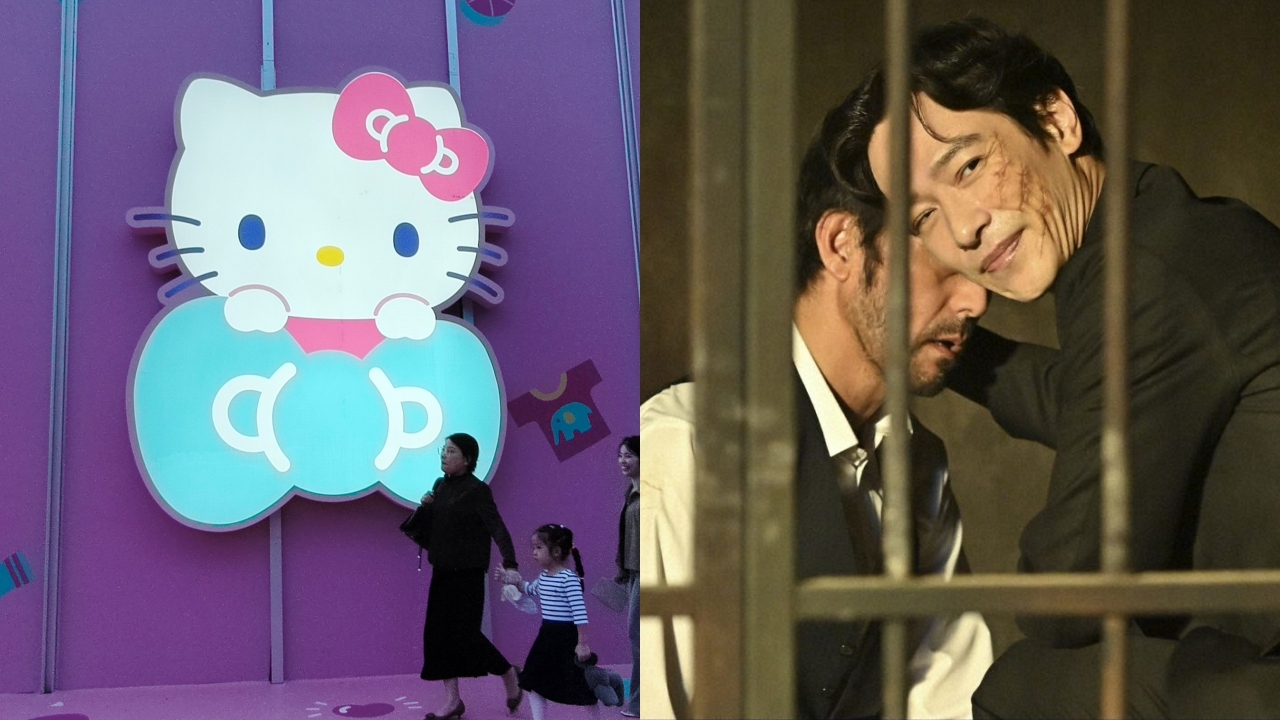
Sanrio issued an apology and announced it would terminate its collaboration on merchandise and promotional activities with the Japanese spy series "Vivant" following strong backlash in China. The series was criticized for depicting Chinese characters using brutal torture methods against Japanese spies, leading to accusations of historical distortion and inappropriate stereotyping of the Chinese people.
Sanrio, the company behind famous cartoon characters, apologized and ended its partnership with the Japanese TV series Vivant after severe criticism in China from government media and social media users. The series portrayed Chinese officials torturing Japanese spies in a cruel manner.
The controversy extended to globally popular Sanrio characters including Hello Kitty, Cinnamonroll, and My Melody, which were featured in merchandise styled as spies from the Vivant series.
Sanrio released a statement through Hello Kitty’s official account on China’s Weibo platform, noting it had received feedback and concerns from various parties regarding the collaborative products and apologized for any discomfort caused.
The company stated that after reviewing the related content, it found certain elements inconsistent with Sanrio’s philosophy and core values, leading to the decision to end the collaboration, including all ongoing projects and promotional activities.
Sanrio emphasized that since its founding, it has used its characters to promote values of care and human connections. The company reaffirmed its commitment to fostering social harmony, promising to seriously consider public feedback and strengthen review processes for future collaborations.
However, the apology did not fully ease dissatisfaction among some Chinese social media users, who called for Sanrio to issue statements through international channels as well, arguing that although the collaboration was ended, communication should be clear to consumers outside China too.
The Vivant series, produced by Japan’s TBS television, tells the story of a Japanese company employee entangled with criminal networks and international espionage, featuring Japan’s Self-Defense Forces’ intelligence unit as part of the plot.
The first season aired in 2023 and was set in a fictional Central Asian country. The second season, which began airing in July this year, included scenes of Chinese characters torturing a Japanese spy by cutting fingers and stabbing the abdomen.
Chinese official media, including CCTV, criticized the torture scenes for closely resembling actions committed by Japanese soldiers against Chinese people during historical wars. The series was accused of distorting history by associating such acts with contemporary Chinese characters.
CCTV further criticized the series for presenting the story in a way that could mislead viewers about history, glorify Japanese military operations abroad, and promote ideas of Japanese expansionism.
Japanese media outlet Toyo Keizai also commented on repetitive scenes where Chinese organizations capture and brutally torture members of Japan’s Self-Defense Forces, while social media users in both China and Japan expressed displeasure at this portrayal.
TBS president Masamine Ryuho said on Wednesday that Vivant is entirely fictional and there was no intention to insult any particular country.
According to official series publicity, the first batch of plush dolls dressing Sanrio characters such as Hello Kitty and My Melody as spies from Vivant was released in July. A second batch has been approved for production but details on release date, product lineup, and pricing have not been announced.
After news of the collaboration spread, many social media users expressed disapproval, viewing the association of characters symbolizing friendship and bonds with controversial content as inappropriate.
One Chinese user said the regrettable mistake contradicts the values Sanrio has long tried to convey. The name Sanrio derives from a Spanish phrase meaning "holy river," reflecting hopes of fostering understanding among people, while Hello Kitty is often linked to listening and friendship.
This incident occurs amid tense relations between China and Japan over recent years, especially after Japanese Prime Minister Sanae Takaichi addressed Taiwan in parliament last November, suggesting Japan might deploy Self-Defense Forces if China attacked Taiwan.
Since then, Beijing has increased pressure on Tokyo in various ways, including restricting rare earth exports, reducing tourism, and repatriating pandas from Japan. Takaichi also mentioned in parliament earlier this month that she recorded Vivant and planned to watch it during the year-end holidays.
China’s Global Times newspaper attacked the collaboration, stating Hello Kitty should not be involved with content linked to Japan’s right-wing factions and warning that cooperating with anti-China content could cost Sanrio more than short-term sales, potentially damaging the trust and emotional bond it has built with consumers over time.
China is an important overseas market for Sanrio. In the first half of 2026, the company earned 781 million yuan (about 117 million US dollars) from China, a rise of over 40% compared to the same period last year. The company has aimed to develop new intellectual property characters popular in China on par with Cinnamonroll.
This case not only highlights sensitivities around historical issues and China-Japan relations but also shows the risks global brands face when choosing business partners or entertainment content that conflicts with their values communicated to consumers.