

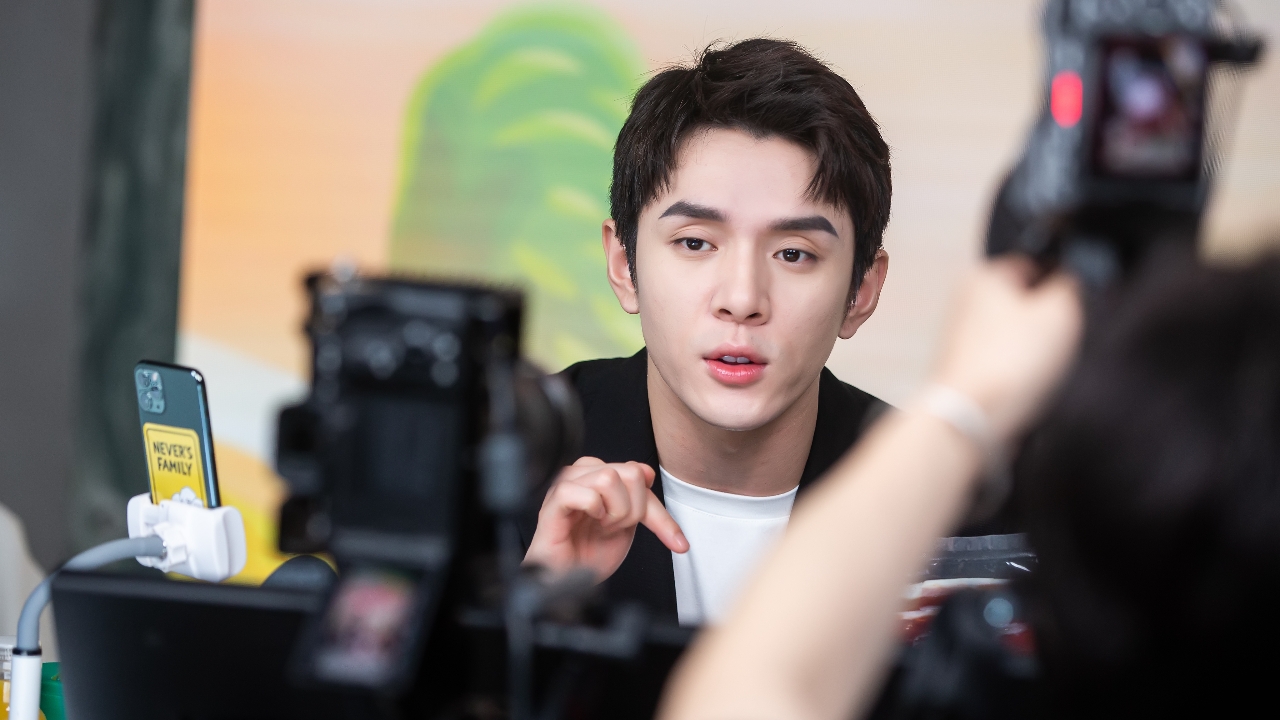
This year's China Singles' Day shopping festival features new products reflecting shifts in consumer behavior—from mainly discounted cosmetics and electronics to AI token packages. Austin Li, also known as Li Jiaqi, a famous live-streaming influencer nicknamed the "China Lipstick King," sold 100,000 subscriptions to Alibaba's AI service in just 30 minutes.
China's Singles' Day shopping festival, held annually on 11 November, has introduced new products as part of one of the world's largest sales events. For the first time, AI token packages—units of data used in artificial intelligence processing—were seriously offered as consumer products.
Austin Li, also known as Li Jiaqi and nicknamed the "Lipstick King," a famous Chinese live-streaming influencer, sold 100,000 subscriptions to Alibaba's QwenWork AI office system in just half an hour during a live broadcast on Taobao Live last Monday (2 Nov). The company revealed that this sale equates to about 2 trillion AI tokens.
AI tokens are data units that artificial intelligence models use to process text and commands, with token quantity corresponding to the extent of AI system usage.
Lian Jia Su, chief analyst at technology research firm Omdia, said Chinese consumers are becoming accustomed to using AI tools to enhance work efficiency. Frequent users may exhaust tokens, making bulk purchases during sales events reasonable.
However, there is no clear information on how much discount the AI token packages offered during this festival had compared to regular prices.
This live broadcast marked the first time Li sold AI products; previously, he gained fame for selling vast quantities of lipstick via live streaming, earning the nickname "Lipstick King."
The live event featured QwenWork token packages as well as AI-capable laptops and work devices, with Chen Yushen, Alibaba Group's vice president and CEO of QwenWork, joining the broadcast.
During the program, Li asked Chen if AI could create a digital avatar of him to chat with fans 24/7. Chen replied that AI cannot yet replace Li but hopes the technology will help users manage daily tasks to spend more time with family.
Alibaba stated that Tmall, its e-commerce platform, opened an AI token sales center for Singles' Day, offering consumer packages from companies including Alibaba Cloud, MiniMax, Moonshot AI, and Z.AI.
JD.com also launched an AI token product category, gathering services from firms such as DeepSeek, Z.AI, and ByteDance's Volcano Engine.
Alibaba reported that sales of AI token packages from 1–20 October rose 450% compared to the previous month, while sales of AI-capable laptops increased over 300% compared to the same period last year, within the first hour of payment opening on 11 November.
Su, the Omdia analyst, noted that the relatively long expiration of tokens may encourage users to stockpile in advance but warned that rapid changes in AI products might cause consumers to hesitate in prepaying for services at risk of being replaced or discontinued.
China's Singles' Day began in 2009 to stimulate consumer spending. Data from Syntun, an external data provider, shows that last year the festival generated total revenue of about 1.70 trillion yuan, or approximately 255 billion US dollars, across various platforms.
/sourceReuters