

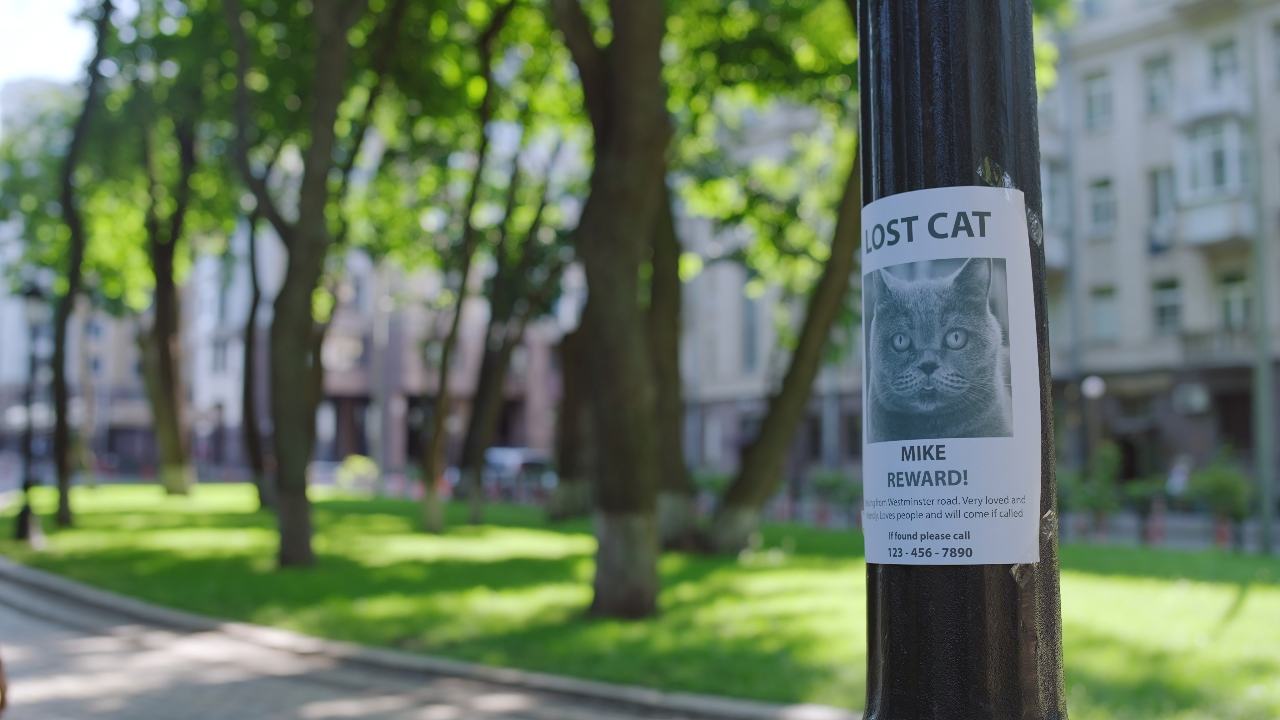
Pet owners announcing lost dogs or cats should beware of scammers using AI to create fake images of pets, falsely claiming to have found them, then demanding money for their return or threatening to kill them.
BBC News warned about scammers using AI-generated images to extort money from owners of lost pets, citing the case of Stephanie Young from Birmingham, England. Her cat Buddy disappeared from her backyard in September last year, prompting her to post lost pet notices on animal aid websites and social media groups.
Later, a woman named Melissa contacted her, sending an image claiming to be Buddy. Melissa said she was feeding the cat and wanted a reward to help her autistic nephew. This convinced Stephanie that the cat was found, leading her to withdraw money from the bank to pay the reward and arrange a nearby meeting to collect Buddy.
However, at the meeting time, the woman did not show up. She refused cash payment and insisted Stephanie buy 100 Apple gift cards instead, threatening to sell or kill Buddy. This raised doubts for Stephanie, who investigated and discovered the cat image was AI-generated.
Stephanie said the incident left her both heartbroken and angry at such cruelty. She acknowledged that lost pet owners' strong desire to recover their pets makes them vulnerable to pressure from scammers to pay. Although Buddy has been missing for 13 months, no one has found him yet.
Other victims have faced similar scams, such as Cam Sheahan, a supermarket worker from Wednesbury. After her cat Creed went missing for nine months, she received a photo resembling Creed sitting in a backyard. The contact demanded £200 in Apple gift cards, but she refused to pay before getting her cat back, so no meeting took place.
Sarah Robinson from Northampton was contacted by a man claiming to have found her cat Cookie after only two weeks. He sent a photo of a cat resembling Cookie outside a window but demanded £40,000 via a payment link and threatened to kill the cat if unpaid.
All three victims reported the incidents to Report Fraud, the London Metropolitan Police's fraud crime reporting unit.
Dr. Raja Qassem, a senior academic at Aston University, said AI plays an increasing role in online fraud because tasks once technically difficult are now easy, accessible, and free. She warned that realistic images do not always mean they are genuine.
She advised those contacted with payment demands and threats against their pets not to rush payments or negotiate with scammers but to collect contact information and report to authorities for investigation.
Meanwhile, Pawboost, a platform assisting in tracking lost pets, recommends pet owners verify proof carefully before believing someone has found their pet. They suggest requesting a short video clip or video call to confirm identity and the pet's unique traits.
Additionally, meetings should be arranged in safe public places to see the pet in person before paying. Owners may ask for details only the true finder would know, such as the collar worn or specific pet behaviors not shown in lost pet posts.
/source :BBC
Click to read related news aboutinternational news