

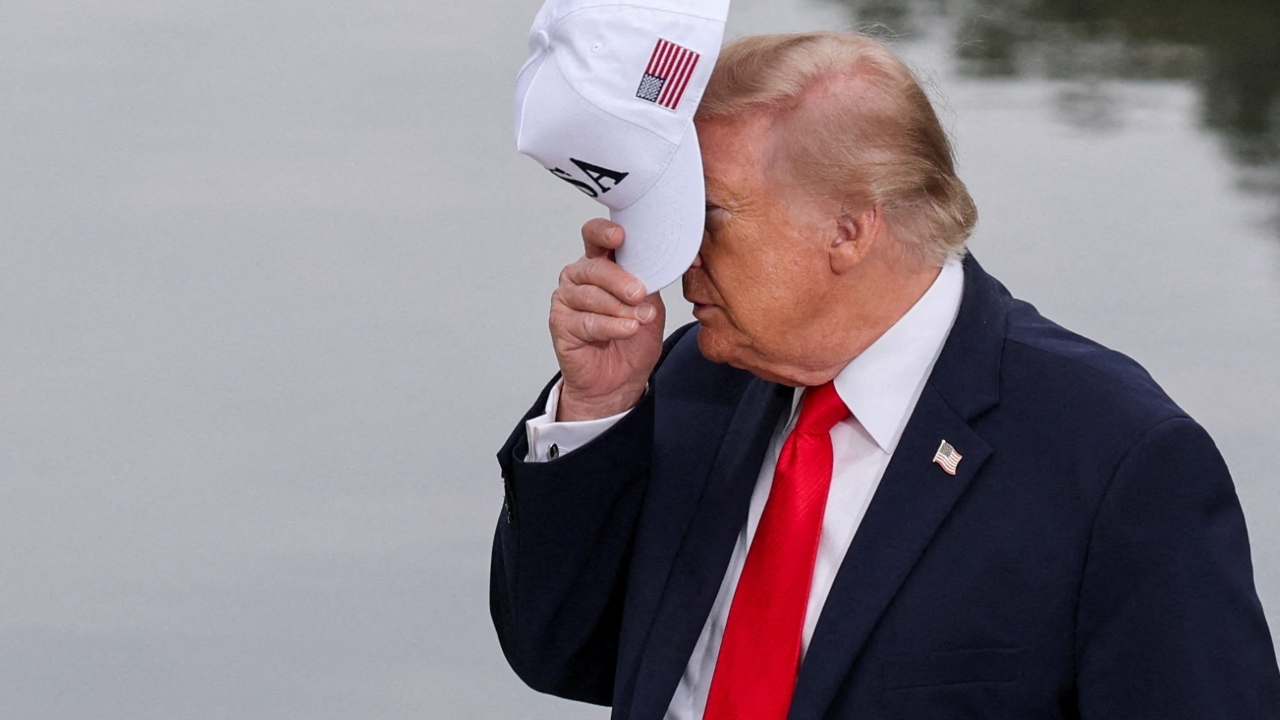
The unofficial results of the U.S. midterm elections held on Tuesday, 3 Nov 2026 GMT+7, came as expected: the Democratic Party won a landslide victory, securing majorities in both the House of Representatives and the Senate.
Meanwhile, the Republicans' crushing defeat was seen as the American people's way of expressing dissatisfaction with President Donald Trump's administration over the past two years, during which the U.S. re-engaged in Middle East conflicts that caused oil prices to soar, impacting inflation and Americans' cost of living.
The BBC analyzed five main reasons behind the Republican Party's significant losses in this election, including the loss of many congressional seats.
Voters across the U.S. have had to cope with sharply increased expenses for essential goods, with the anger especially palpable in highly competitive states.
"Oil prices, consumer goods prices—everything has gone up," a voter in North Carolina told BBC before the election, adding that she decided to switch her vote to the Democratic Party from the Republicans this time.
U.S. inflation in September rose to 3.7% year-on-year, mainly due to higher oil and energy prices. Government data showed that average retail diesel prices in early October nearly reached the record high of $6.52 per gallon, last recorded in September.
A voter survey found that nearly 8 in 10 people (79%) said inflation had caused moderate to severe hardship for themselves and their families over the past year, and more than 6 in 10 blamed Donald Trump's policies for this.
A key factor driving up prices was the war with Iran, initiated by the U.S. and Israel in February, which prompted Tehran to close the Strait of Hormuz—a vital route for global crude oil and liquefied natural gas shipments—causing immediate spikes in oil prices.
Since then, Americans have borne the burden of higher fuel costs, and the war has proven unpopular with most Americans; about 6 in 10 (63%) survey respondents said the U.S. made a wrong decision using military measures against Iran.
Even MAGA Republicans, direct supporters of Trump, felt betrayed since Trump had promised no more wars.
Moreover, about 3 in 4 voters (74%) said this conflict was a major or significant factor influencing their congressional vote decisions.
Trump himself acknowledged on the morning after the election that the war contributed to the defeat but insisted in an interview with Fox News that he had no choice but to intervene to prevent Iran from acquiring nuclear weapons.
In this election, the Democratic Party enjoyed widespread popularity partly due to well-planned communication by their candidates, who conveyed sincerity and accessibility, especially in traditional Republican strongholds.
Former teachers James Talarico and Adam Hamilton, a minister, spoke about their religious beliefs in ways that resonated with people in Texas and Kansas.
In South Carolina, Annie Andrews surprisingly defeated her Republican opponent by connecting with many voters on healthcare costs as a former pediatrician, amid widespread dissatisfaction with the country's healthcare system failures.
Meanwhile, Abdul El-Sayed, a former public health official, won in Michigan and retained the Democratic seat with the slogan "Take money out of politics, put money in your pocket."
Democratic Senator Jon Ossoff, just 39 years old, emphasized the cost of living and corruption as key issues and won re-election in Georgia. Previously, Republicans had won continuously there, sparking rumors Ossoff may run for president in 2028.
Conversely, some Republican candidates, such as Ken Paxton in Texas, faced criticism for poor campaigning and failing to focus on voters' main concerns.
The two biggest voter grievances—rising prices and the Iran war—were directly linked to President Donald Trump.
His approval ratings fell even among Republican voters, putting several states that backed him in the 2024 presidential election at risk of switching sides. Trump tried to rally supporters by urging them to imagine his name on the ballot.
After more than a decade as a central figure in U.S. politics, some see these results as evidence that the "Trump brand's" appeal may be waning.
Amid rising anger, centering the Republican campaign around himself was risky and apparently backfired.
Polls in the months before the vote showed many Americans wanted Trump to focus more on rising prices, but in his final campaign speech in Washington, D.C., on Monday, he spent almost half an hour discussing his reflective pool project instead.
Two years ago, some Hispanic and Black voters switching to support the Republican Party helped Trump secure a decisive victory, but this midterm election saw the opposite trend.
The Democrats won three House districts with predominantly Hispanic populations along the Texas-Mexico border.
Analysis by the New York Times found that in counties with majority Hispanic populations, votes for Republican Senate candidates dropped by more than 22% compared to the 2024 presidential election.
This shift occurred amid widespread anger over immigration enforcement, with a Pew Research Center survey showing that most Americans (56%) held negative views of Immigration and Customs Enforcement (ICE).
Additionally, in districts with majority Black populations, support for Democratic Senate candidates also significantly increased.
Follow international news:https://www.thairath.co.th/news/foreign
Source:bbc