

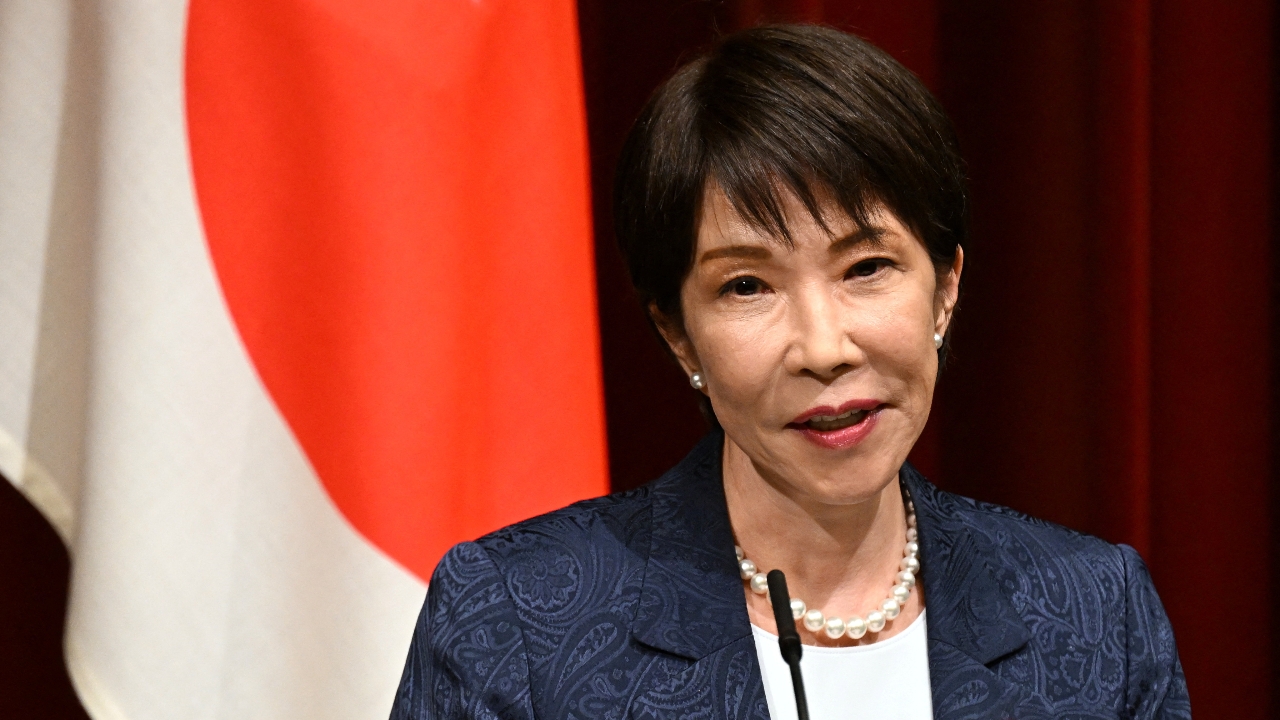
Japan's Prime Minister announced an emergency package to quickly tackle cyber threats, allocating an initial budget of 10 billion yen. The plan includes deploying AI to enhance defense systems and preparing to establish a cyber rescue team following system breaches at dozens of companies.
Japan has declared a major emergency response to counter a wave of cyberattacks after dozens of companies became targets of hackers. Unauthorized individuals accessed their systems, risking customer data leaks over recent weeks. The government plans to allocate an initial 10 billion yen, approximately 63 million U.S. dollars, to strengthen the country's cybersecurity.
On Friday, 6 Nov 2023 GMT+7, Japan's Prime Minister Sanae Takaichi revealed that the government has jointly developed an emergency response package amid a rise in severe cyberattacks. The measures cover enhancing security systems, strengthening investigative processes, assisting victims, and preventing further damage from spreading.
The initial 10 billion yen budget, roughly 2 billion baht, comes from existing government funds. However, total expenses are expected to be higher. The Prime Minister has tasked the Minister of Finance with seeking additional funding to fully implement the measures.
Additionally, the government plans to integrate artificial intelligence (AI) technology as part of the cybersecurity defense system, boosting capabilities to detect and investigate attacks more swiftly to address emerging threats.
Meanwhile, Japanese media reported that a key measure includes establishing a Cyber Rescue Team composed of experts from both government and private sectors. This team will assist organizations facing severe or urgent cyberattacks. The government aims to set up a secretariat within the current fiscal year to coordinate and deploy expert teams for support.
Prime Minister Takaichi emphasized that Japan must mobilize all government resources to enhance its cyberattack response capabilities to keep pace with the speed of AI-driven threats. She warned that ongoing system breaches and data leaks continue to severely impact citizens' lives and private sector businesses.
Last month, GMO Internet Group, a Japanese IT security agency, revealed that a Chinese AI-powered cybersecurity tool named Artex has been used to attack several Japanese companies recently. GMO Internet Group itself was also a target of these attacks.
Globally, cyberattacks and data leaks are increasing, especially concerns over AI being used to discover previously undetected vulnerabilities and develop new hacking methods. This has prompted many countries to urgently upgrade their digital threat defense measures.
Click to read more international newsInternational News