

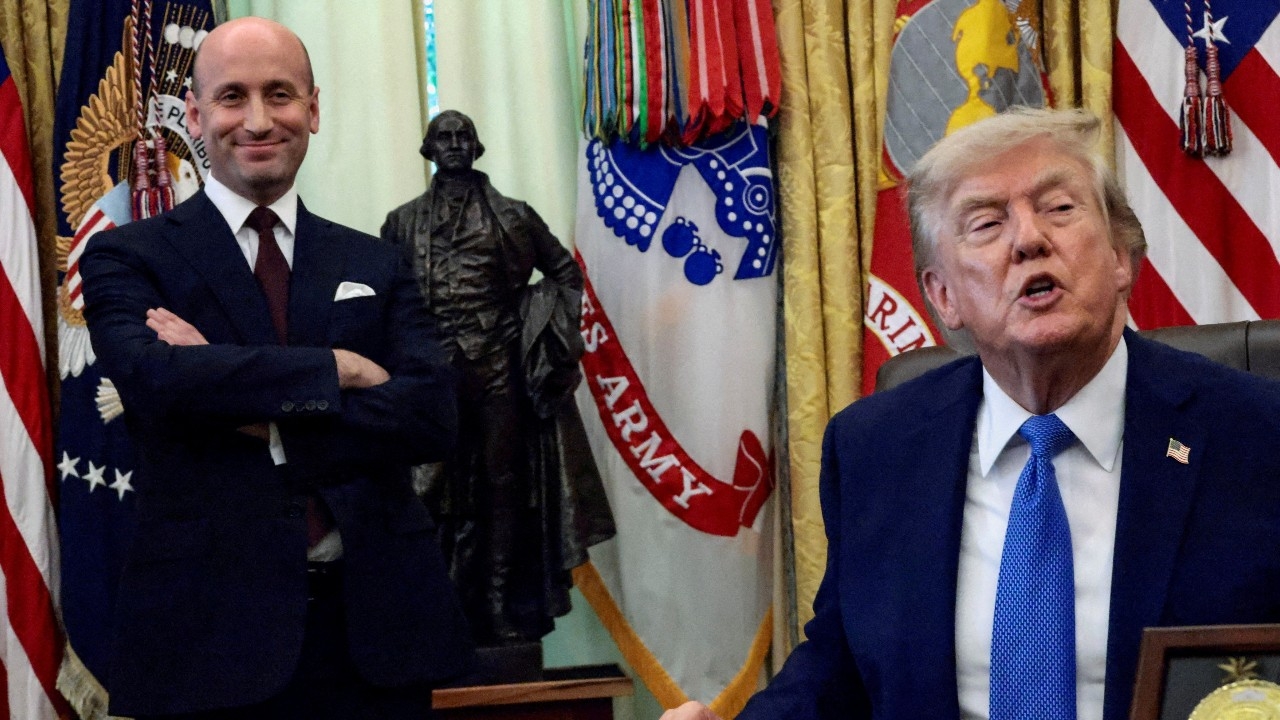
Donald Trump admitted that the crackdown and deportation policy on illegal immigrants might have been too harsh, which impacted Republican votes in the midterm elections. He also showed openness to negotiating immigration agreements with the Democratic Party. Meanwhile, the appointment of Stephen Miller, a strong supporter of tough immigration policies, as head of the White House task force signals no clear change in approach yet.
U.S. President Donald Trump spoke in an interview with CBS television’s 60 Minutes program, aired last Sunday (8 Nov), acknowledging that the government’s immigration deportation policy might have been too strict after the Republican Party lost the midterm elections and its majority in both the House of Representatives and the Senate.
Trump stated that he gained strong support from controlling the border and cracking down on illegal immigrants but suffered political consequences from deporting those who have jobs and pay taxes, some of whom only committed the offense of entering the country illegally. He admitted that this policy might have been overly harsh.
The U.S. leader also expressed readiness to negotiate with the Democratic Party to reach an immigration agreement, stating that serious criminals and drug dealers should be deported, but those who work honestly—for example, in hotels or landscaping companies—and pay taxes might be allowed to remain in the country.
However, Trump recently appointed Stephen Miller, a key advisor and architect of strict immigration enforcement policies, as head of the White House task force, which is seen as a sign that there is no relaxation of those policies.
Meanwhile, the Democratic Party is preparing to push for oversight of the operations of Immigration and Customs Enforcement (ICE) and the Department of Homeland Security. Vice President J.D. Vance indicated readiness to adjust law enforcement strategies, possibly focusing more on inspecting employers who hire undocumented workers.
Additionally, Trump spoke about the 2028 presidential race, saying he might not endorse any particular candidate, although he expressed admiration for Secretary of State Marco Rubio and J.D. Vance, who are viewed as leading contenders to succeed him.
Regarding allegations about increased wealth during his tenure, Trump said he hardly tracks his own assets. He also admitted to disliking some political opponents and said he might never fully forgive them.