

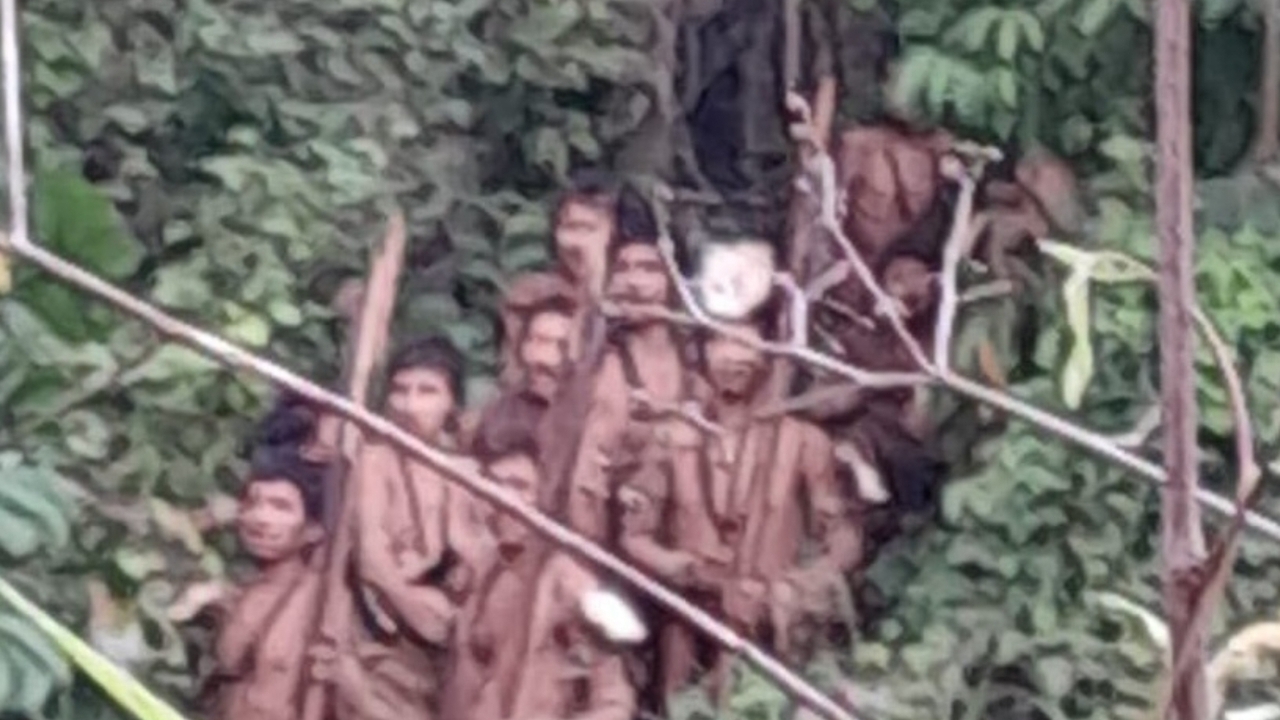
The "Awa" tribe, isolated from the outside world, has appeared near an indigenous community in Brazil after living deep in the Amazon forest. Experts are concerned about their safety, health, and threats from forest encroachment due to continued outside intrusion.
On 18 Nov 2026, Brazil's Ministry of Indigenous Affairs revealed that it is urgently caring for and protecting the Awa tribe, who live isolated in the Amazon forest. Approximately 20 Awa tribe members appeared near the Guajajara indigenous community in the Arariboya territory, Maranhão state, in northeastern Brazil, raising concerns about their safety and health risks.
Brazilian authorities reported that the sighting of Awa tribe members began last Monday. Initial information indicates about 20 Awa individuals entered an area near the government's access control point and the Guajajara's Tawari village, while officials investigate the situation.
Reports state that video footage recorded by the Guajajara community and released by Survival International shows Awa adults and children gathered amid dense vegetation. Some hold bows and arrows and wear feathered headdresses and necklaces, while others are unclothed.
The exact reason for the Awa tribe's appearance near another community remains unclear. However, Survival International suggests they likely sought government officials to request manioc before returning to the forest. The Awa sustain themselves by hunting, fishing, and gathering food, avoiding outside contact for decades.
Brazilian authorities say the Awa tribe is officially listed among isolated indigenous groups and monitored by a specialized protection team from Funai, the federal indigenous affairs agency. Currently, Funai officials and indigenous health personnel are on site, coordinating emergency mechanisms to assess contact risks and potential health issues.
Survival International estimates around 100 Awa tribe members have never contacted outsiders, while others live in settled villages with outside contact. Experts worry isolated tribes are especially vulnerable to infectious diseases due to minimal exposure. Meanwhile, their forest habitat faces illegal logging, poaching, and other intrusions.
The Ministry of Indigenous Affairs emphasized that government policy does not promote contact with the Awa tribe but protects their right to live in isolation. They respect the tribe's autonomy to decide whether to engage with outsiders, cautioning that brief encounters do not imply the tribe has abandoned their traditional lifestyle or seeks permanent contact.
Source: BBC, AP