

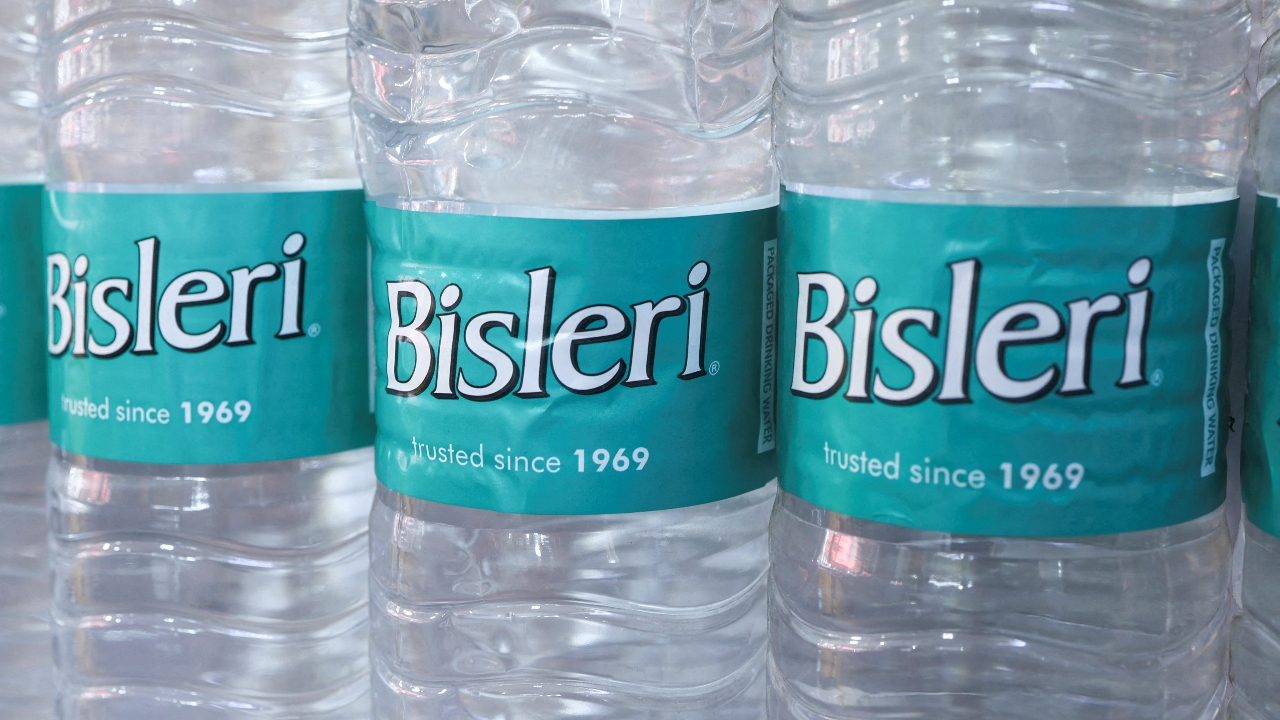
India's food safety authority plans to inspect all bottled water brands after samples from Bisleri, a major water brand, failed safety criteria, revealing substances that could be harmful to health.
India's food safety regulator found bottled water samples from Bisleri International unsafe for consumption, damaging the reputation of the country's most well-known major water brand. Government sources revealed plans to test bottled water samples from all companies nationwide.
Sources stated that the Food Safety and Standards Authority of India (FSSAI) intends to conduct further tests on Bisleri water samples from across the country, including products from other companies, after safety issues were found in the initial samples.
Bisleri competes in India's bottled water market with PepsiCo's Aquafina and Coca-Cola's Kinley. The Indian bottled water market is valued at approximately 3.6 billion US dollars in 2025, according to Persistence Market Research.
Bisleri released a statement emphasizing that water safety is the company's top priority, with strict quality control measures in place, and confirmed its cooperation with regulatory authorities.
Bisleri, launched in India in 1965, has become widely recognized due to water quality issues in many areas, leading consumers and tourists to often choose bottled water for home and restaurant consumption.
Another government source disclosed that the batch linked to the problematic sample has been recalled, and subsequent product testing in later batches showed no water quality issues.
On Sunday, 22 Nov 2025 GMT+7, FSSAI stated via social media that samples collected from Bisleri facilities did not meet the set standards for bromate, a chemical that may form as a byproduct of certain sterilization processes.
However, after Bisleri appealed the findings, regulators reaffirmed that the samples were unsafe but revised the contaminant findings to indicate the presence of multiple polycyclic aromatic hydrocarbons (PAHs) instead.
PAHs are a group of compounds concerning to public health due to their toxic, mutagenic properties and cancer risks, according to research published last year in the US National Library of Medicine's PubMed database.
Bromate at high levels can cause kidney problems and hearing loss, according to New York State's Department of Health. However, reported adverse effects have involved exposure to bromate concentrations thousands of times above drinking water standards.
Bisleri explained that water samples collected from its Goa plant last year contained 12 micrograms per liter of bromate, exceeding the 10 micrograms per liter standard. Yet, independent laboratory tests commissioned by the company found levels compliant with standards.
India's food regulators have increased scrutiny of major brands this year; in September, legal action was taken against Nestlé after its infant food products failed to meet standards.
Click to read related news aboutInternational news