

The new EV Board has approved improvements to the EV3 and EV3.5 measures to align with global and Thai circumstances by increasing flexibility in promoting the electric vehicle industry, preventing EV market oversupply, and advancing Thailand as a regional EV manufacturing hub.
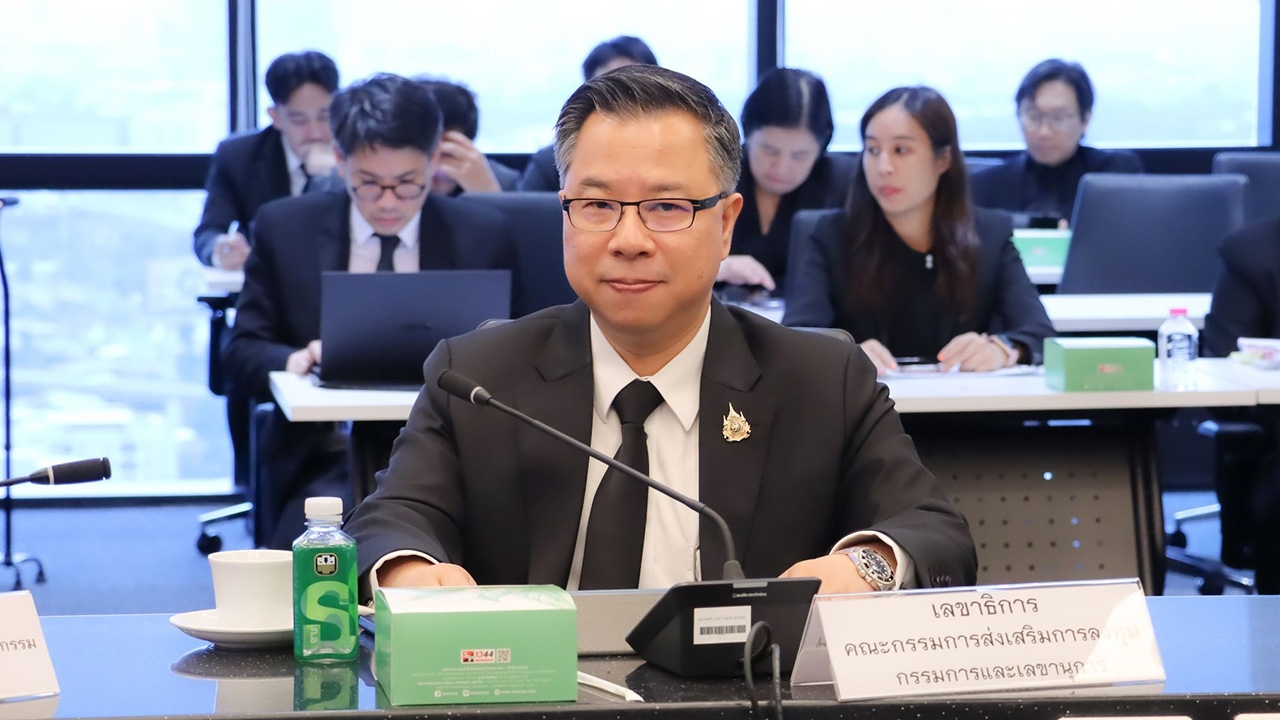
Mr. Narit Therdsteerasak, Secretary-General of the Board of Investment (BOI) As a member and secretary of the National Electric Vehicle Committee (EV Board), he revealed that the new EV Board meeting approved adjustments to the EV promotion measures, EV3 and EV3.5, to align with global and Thai market situations. The changes are grouped into two areas: 1. Enhancing flexibility in supporting the EV industry, and 2. Adjusting measures to reduce or prevent domestic market oversupply.
The improvements to increase flexibility in promoting the EV industry include:
1. Extending the registration deadline for domestically produced electric vehicles under EV3 and EV3.5 measures from the original deadline of December this year and 2027 respectively, to January of the following year. This assists EVs sold late in the year to complete registration with the Department of Land Transport within the deadline.
2. Setting conditions for additional subsidy payments whereby if operators produce later than planned, the Excise Department will delay subsidies until production aligns with the plan, reducing risks if operators fail to meet offset production conditions.
3. Making EV3 production offset extension conditions more flexible to reflect business realities by allowing EV3 participants to add factories contracted under EV3.5 to their EV3 agreements, increasing opportunities to meet production offset deadlines.
4. Extending the grace period for counting the value of battery cells sourced from abroad as originating materials in Thailand from the original end of this year by six months until the end of June 2026. During this extension, the allowable proportion of foreign battery cell value counted as local materials is reduced to no more than 10%, down from 15% of the EV factory price to comply with Free Zone or Free Enterprise Zone criteria. Applicants must submit clear plans for local parts sourcing and will have subsidy payments suspended under EV3 and EV3.5 during the grace period.
5. Defining procedures and guidelines to support HEV production in three areas:
Regarding adjustments to reduce or prevent domestic market oversupply issues:
1. Revising production offset counting conditions by counting each exported EV as 1.5 units toward offset production to encourage exports and prevent domestic oversupply that could impact the overall vehicle market. The deadline to export and submit export evidence is extended to 30 June of the following year.
2. Providing an option to exit EV3 and EV3.5 measures for EVs already imported and sold but not yet subsidized, allowing payment of the excise tax difference refunded plus penalties and interest to reduce amounts counted toward offset production.
The EV Board also acknowledged a report on EV support performance over the first nine months of this year, showing continued growth in EV registrations, especially BEVs, which increased 59% year-on-year to 87,112 units. Total EV registrations under EV3 and EV3.5 measures reached 238,183 units, with 32 companies participating in EV3 and 11 in EV3.5.
In October, the BOI promoted investment in the EV and related industries totaling 140 billion baht, covering EV production, batteries and key parts, charging stations, and battery swapping stations.
Read more news " Government policy "