

The Thai Chamber of Commerce pointed out that the southern floods caused severe damage, second only to the 2011 floods, estimating total losses of over 40 billion baht within one month. The tourism and service sectors suffered the greatest damage. They emphasized that citizens and businesses need direct financial aid instead of loan measures.

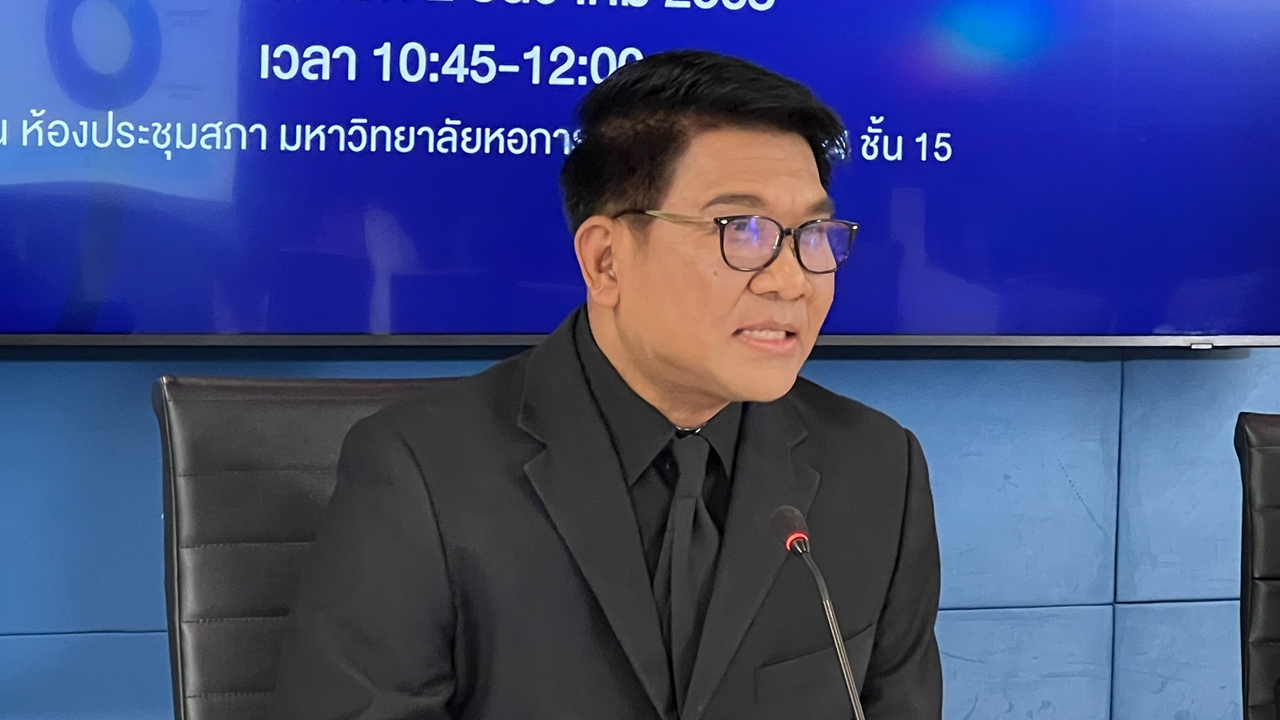
Mr. Thanawat Polwichai, President of the University of the Thai Chamber of Commerce and Chairman of the Economic and Business Forecasting Center, revealed that due to the rainfall and flooding in 10 southern provinces, it is still impossible to assess precise damage figures. Initially, the government through the Ministry of Finance estimated preliminary damages around 500 billion baht. Compared to the massive 2011 flood with damage valued at about 1.4 trillion baht, this event is considered Thailand's second most severe flood disaster.
The Economic and Business Forecasting Center at the University of the Thai Chamber of Commerce preliminarily estimates that over one month, the floods in 10 southern provinces affected more than 2.19 million people, roughly 798,600 households. Songkhla province was the hardest hit, accounting for 60% of total damages, followed by Nakhon Si Thammarat and Phatthalung. Damage is estimated at 1,000-1,500 million baht per day during the severe phase, totaling over 40 billion baht, equivalent to 0.22% of GDP. The tourism and service sectors suffered the greatest losses exceeding 22 billion baht, as this period coincides with the high tourist season with many international visitors to the south. Retail, restaurants, and hotels had to close temporarily. The cancellation of the SEA Games further damaged confidence and economic opportunities. Agriculture followed with around 10 billion baht in losses, and manufacturing and utilities about 6.8 billion baht.

According to surveys of local businesses and residents, recovery may take over a month due to damaged assets and stock, financial liquidity shortages, and damaged infrastructure. The most urgent need for government assistance is “cash,” not “debt.” They believe the government should directly inject compensation funds to reach affected businesses and citizens quickly. Loan measures should be a supplementary option, not the primary one. Additionally, they urge the government to expedite infrastructure repairs and establish recovery units to restore areas to full functionality as soon as possible.
/ State Policy /