

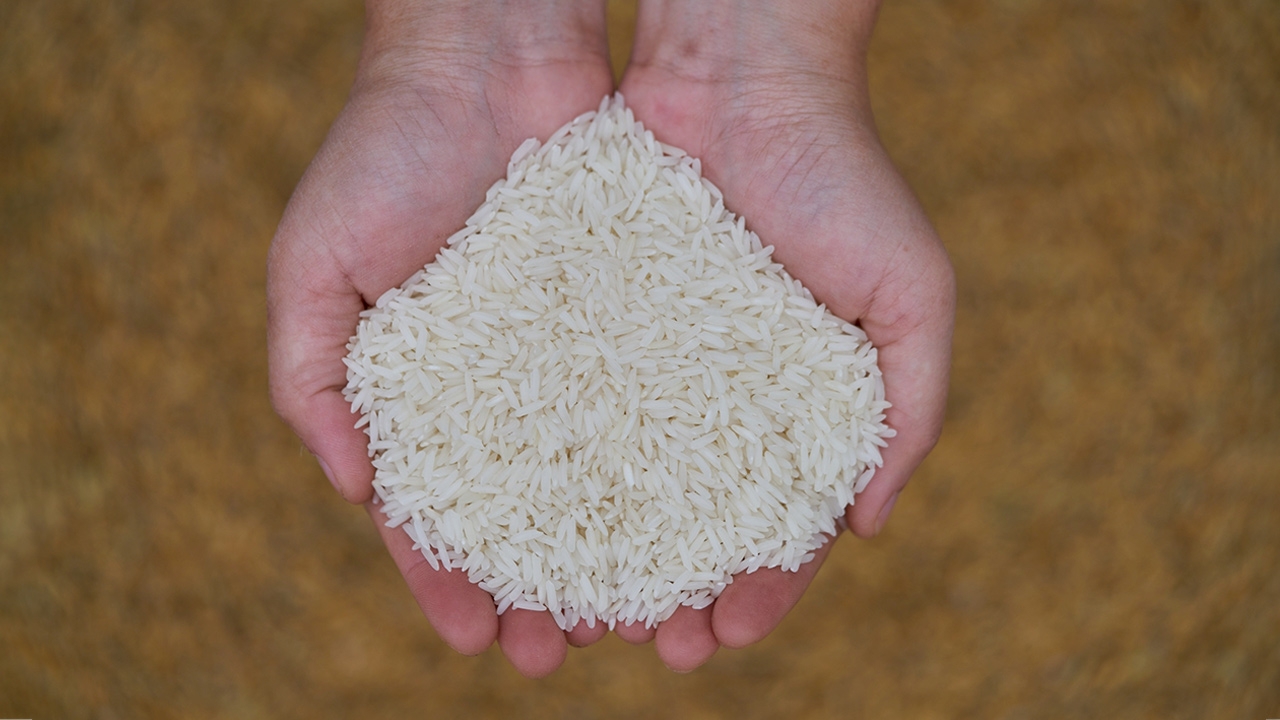
The Department of Intellectual Property revealed that in the first three quarters of 2025, GI rice products generated total revenue exceeding 8 billion baht, providing stability and enhancing the quality of life for more than 600,000 registered farmers.
Mrs. Oramon Subtaweetham, Director-General of the Department of Intellectual Property, stated that currently, Thailand has 24 registered geographical indication (GI) rice products, accounting for 10% of the country's total 224 GI products. In the first three quarters of 2025, these rice products generated over 8.19 billion baht in revenue out of the total 114.331 billion baht from all GI products. This has helped secure and improve the livelihoods of over 600,000 registered farmers. The top 10 highest-value Thai GI rice products are led by Phayao Hom Mali rice, which generated more than 6.156 billion baht—over two-thirds of GI rice revenue. Since obtaining GI status, its average retail price rose to 120 baht per kilogram, a 3.4-fold increase from the previous 35 baht per kilogram.

The second highest is Thung Kula Rong Hai Hom Mali rice from five northeastern provinces—Maha Sarakham, Yasothon, Roi Et, Sisaket, and Surin—generating over 1.682 billion baht with an average retail price of 50 baht per kilogram, up 1.5 times from the previous 33 baht per kilogram. Third is Ubon Ratchathani Hom Mali rice, generating more than 211 million baht with an average retail price of 60 baht per kilogram, a 1.7-fold increase from 35 baht per kilogram. Fourth is Kham Lanna rice from eight provinces—Chiang Rai, Chiang Mai, Nan, Phrae, Phayao, Mae Hong Son, Lampang, and Lamphun—generating over 34.04 million baht.

Meanwhile, fifth is Surin Hom Mali rice with over 30.72 million baht; sixth, Trang Bai Muang rice with over 14 million baht; seventh, Buriram volcanic soil Hom Mali rice with over 13.38 million baht; eighth, Pathum Thani Hom Mali rice with over 10.81 million baht; ninth, Nakhon Sawan Bai Toey Hom Mali rice with over 10.34 million baht; and tenth, Saohai Jech Choei rice from Saraburi with over 9 million baht.

“The distinctiveness of GI rice lies in its quality, which reflects the unique local identity, cultivation methods, indigenous wisdom, and traditional knowledge of farmers. These factors not only help promote Thai rice in the global premium market but also build consumer confidence in the quality and origin of Thai rice. This, in turn, creates sustainable income for farmers and entrepreneurs. Additionally, there are other GI rice varieties such as Krabi Hom Hua Bon upland rice, Kalasin Khao Wong sticky rice, and Sakon Nakhon Hang Hom Thong rice,” she said.

Mrs. Oramon added that the success of Thai GI rice is driven by three key mechanisms: registration and protection both domestically and internationally, along with quality certification through the authorized use of the GI trademark to assure consumers; development and promotion of premium Thai local rice varieties such as Thung Kula Rong Hai Hom Mali rice, Phatthalung Sangyod rice, and Buriram volcanic soil Hom Mali rice in markets with purchasing power both domestically and abroad; and value-added initiatives including the development of contemporary Thai dishes in Michelin-starred restaurants and culinary schools like Le Cordon Bleu Dusit, linking GI rice growing areas to cultural and innovative tourism, and modernizing branding and packaging while preserving the distinctive identity of the production regions.
Read news " Government Policy " for more information