

The Department of International Trade Negotiations revealed that technical negotiations under the Thailand-U.S. retaliatory tariff agreement are continuing, despite a prior letter from the U.S. Trade Representative (USTR) requesting to delay talks with Thailand due to the Thailand-Cambodia dispute. The talks focus on Thailand opening its pork market, sanitary measures to allow imports of pork containing red meat accelerators, and reducing trade barriers. It was emphasized that even after negotiations conclude, the new government and parliament must approve before signing the agreement.
Ms. Chotima Iamsawatdikul, Director-General of the Department of International Trade Negotiations, disclosed that technical negotiations between Thailand and the U.S. Trade Representative (USTR) office are ongoing, following the U.S. announcement of a 19% retaliatory tariff on Thailand. This continues despite the USTR previously requesting a delay in negotiations due to the Thailand-Cambodia conflict.
The technical negotiation topics resemble those of typical free trade agreement (FTA) talks, including liberalizing trade in goods, services, and investment. The U.S. is pressing Thailand to reduce trade and investment barriers as noted in the U.S. National Trade Estimate Report, particularly addressing non-tariff trade barriers, which the U.S. views as impacting trade and economic security.
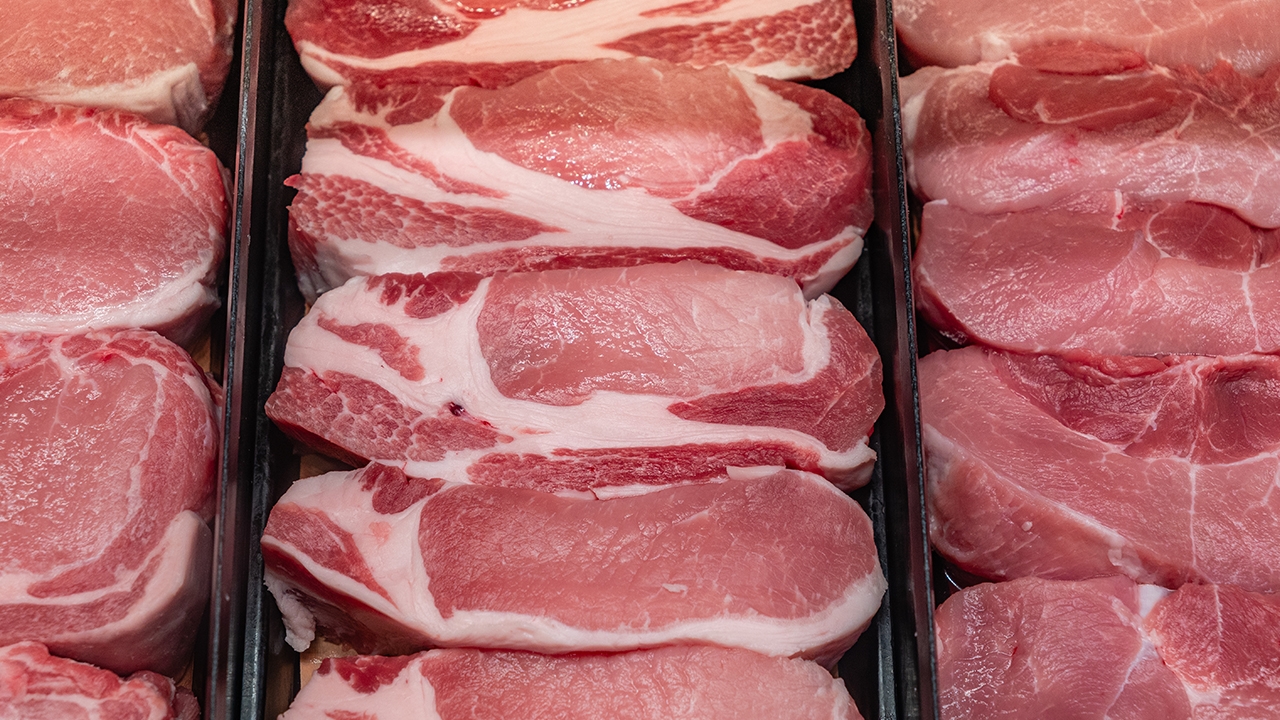
"One technical issue under negotiation is sanitary measures, specifically the U.S. request for Thailand to allow imports of U.S. pork raised with red meat accelerators, which Thailand strictly prohibits. Discussions include the use of red meat accelerators and risk assessments of processing plants. The Department of Livestock Development is reviewing principles to ensure public health safety is not compromised," she explained.

Regarding updates on revising rules of origin—which determine the required proportion of Thai raw materials and parts (Local Content) or the regional value content (RVC) from Thailand, partner countries, and the U.S. for products to qualify for the 19% tariff rate—currently, the U.S. government is negotiating with China and is expected to await outcomes before applying uniform rules globally.
Thailand aims to conclude technical talks as soon as possible, but currently operates under a caretaker government without signing authority. Even after concluding negotiations, the results must be submitted to the cabinet for approval and then to parliament for endorsement before Thailand can sign the agreement with the U.S.
"I confirm that Thailand's retaliatory tariff rate remains at 19%, despite former President Donald Trump posting that tariffs on Thailand would increase if military actions against Cambodia did not cease, following discussions between Prime Minister and Minister of Interior Anutin Charnvirakul and the President," she added.
Read the news " State Policy " further