

The Thai Retailers Association revealed that investor, business operator, and public confidence are beginning to improve after the 2026 election. They also proposed a six-policy economic recovery package for the new government, supporting the extension of 'Khon La Khrueng Plus' Phase 2 and the state welfare card program.
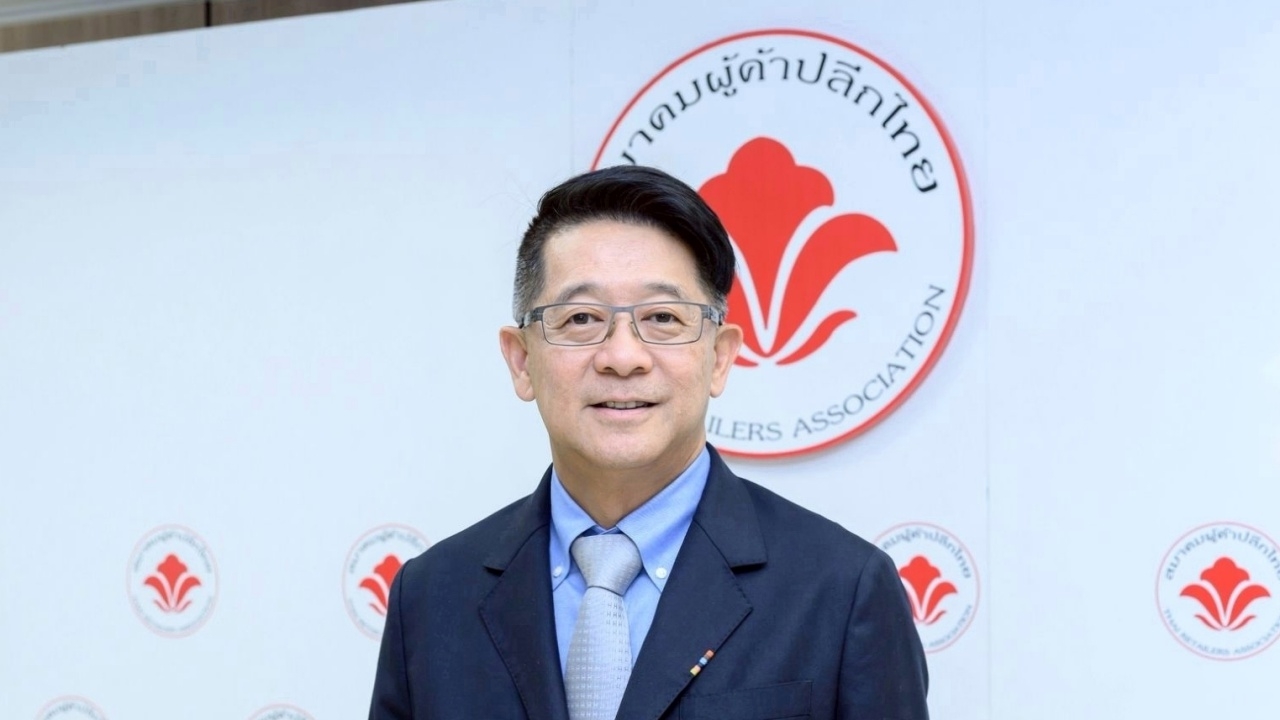
On 12 Feb, Mr. Nat Wongpanich, president of the Thai Retailers Association, said that investor, business, and public confidence has shown signs of improvement following the 2026 election. It is expected that a new cabinet will be announced to govern the country by mid-year, sending positive signals for investment and overall spending. However, it remains necessary to urgently revive active consumer spending in a tangible way.
The association expects the new government to continue effective policies and build on them with new measures, especially to stimulate the economy at the grassroots level, upgrade infrastructure, and reduce barriers for businesses. This is amid multiple pressures including fragile purchasing power, high energy costs, and geopolitical risks, alongside crackdowns on illicit capital and corruption to create a competitive economic environment. Under the four-year governance framework, the association proposes a six-policy economic recovery package for the new government under the concept: Shop Smart, Travel Well, Invest Locally, Strong SMEs, Skilled Workforce, and Fair Competition, as follows.
1. Shop Smart: Immediate stimulus to purchasing power to circulate money nationwide. 1.1 'Khon La Khrueng Plus' measure: Unlock previous restrictions to cover all retail stores, including modern trade, to increase options and convenience for consumers. Lessons from the latest phase showed 13 million users did not fully use their quotas, leaving 6 billion baht unused, causing lost opportunities for multiplier effects in the economy. 1.2 Withholding Tax: Propose reinstating reduced withholding tax rates from the normal 3% to 0%-1% to lower cash flow burdens and quickly improve liquidity for businesses, especially SMEs, alongside promoting electronic tax systems (e-Tax Invoice & e-Receipt). 1.3 State Welfare Card: Expand acceptance to all retail stores to enhance convenience for citizens and increase money circulation in the system.
2. Travel Well: Elevate Thailand as a shopping and lifestyle tourism destination. 2.1 Instant Tax Refund: Pilot immediate 7% VAT refunds at stores for tourists purchasing at least 3,000 baht, to boost shopping incentives and compete with neighboring countries. 2.2 Develop Thailand as a Shopping Paradise: Remove or reduce import taxes on lifestyle goods such as fashion, leather, beauty products, and jewelry, currently taxed at 20-30%. Also pilot a 'Free Tax Zone' sandbox in major tourist provinces like Phuket to attract high-spending tourists, increasing per capita expenditure and returning more tourism revenue to Thailand. 2.3 'Good Travel, Tax Refund' scheme: Propose expanding the scope to stimulate spending on souvenirs, community products, and SMEs by allowing VAT-registered stores to participate and use expenses for tax deductions.
3. Invest Locally: Create jobs and income, reduce economic concentration. 3.1 Invest in Attractive Cities: Introduce tax incentives for Thai private sector investments in secondary cities, especially projects that generate local employment and link local SMEs into supply chains to enhance grassroots economic potential. 3.2 Reduce Electricity Costs: Enhance competitiveness by lowering costs, such as reviewing and reducing retail electricity tariffs, especially for SMEs, alongside supporting tax benefits for businesses investing in energy-saving technologies like solar power systems.
4. Strong SMEs: Enhance competitiveness. 4.1 Support Thai products to receive 'Made in Thailand' (MiT) certification from relevant agencies to increase credibility, government procurement opportunities, and export prospects. 4.2 Provide tax subsidies to SMEs producing sustainable products to reduce costs and encourage development of green products and innovations.
5. Skilled Workforce: Promote retail sector labor. 5.1 Increase productivity with AI: Support tax incentives for operators, especially SMEs, investing in operational AI systems (Agentic AI) to improve business efficiency, such as personalized product recommendations, inventory, and accounting management. 5.2 Sustainable labor solutions: Accelerate upskilling and reskilling policies for retail workers to keep pace with the digital economy and propose using professional standards to determine wages instead of uniform minimum wage increases to maintain employment stability. 5.3 Employment: Encourage hiring older workers as Thailand enters a full aging society to improve their income and quality of life, with employers eligible for double tax deductions; promote hourly employment to reduce unemployment and provide opportunities for low-income groups such as the elderly, students, and informal workers, enabling more flexible labor cost management; and ease restrictions and procedures for hiring foreign workers to fill labor shortages or jobs unattractive to Thai workers.
6. Fair Competition: Reduce disparities in competition. Require e-commerce platforms to strictly verify and screen products, especially those lacking proper certifications such as FDA or Thai Industrial Standards Institute marks, and those without correct Thai labeling. Also, set a 24-hour deadline to remove non-compliant products. Simultaneously, require e-commerce platforms to collect and remit VAT for cross-border online sales on behalf of small foreign sellers to close tax collection gaps.
Mr. Nat added that if the new government can implement these proposed measures, the association estimates they will increase GDP by about 0.5-1.0% on top of the previously forecast 1.6–2.0% in 2026. This would stimulate economic activities through spending, tourism, and investment worth over 200 billion baht and create more than 100,000 jobs in both major and secondary cities. The association views 2026 as a highly challenging year for the Thai economy but believes that serious and sustained cooperation between the public and private sectors can accelerate economic recovery and put the country back on a stable growth path.