

The Equitable Education Fund (EEF) is moving forward with a pilot of a “budget allocation formula for equity,” targeting small schools in remote areas, which are the groups facing the most severe crises of resource, personnel, and budget shortages in Thailand's education system.

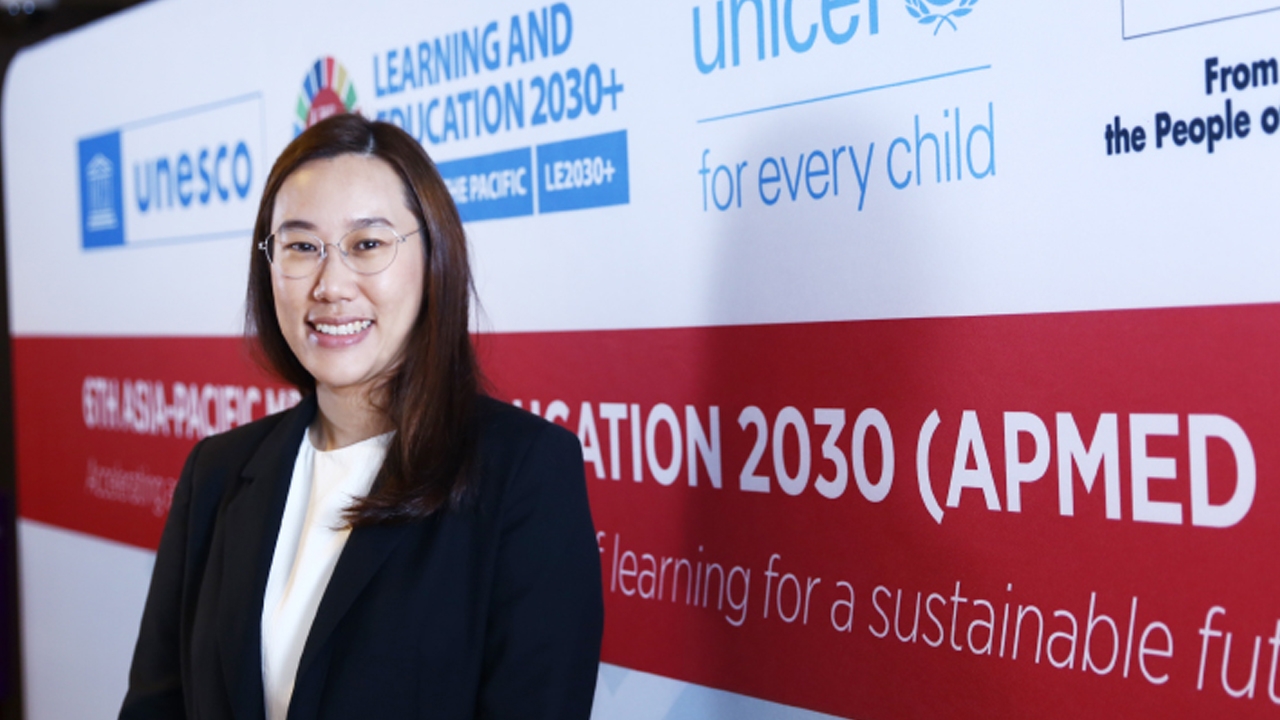
Ms. Siri Jongdee, Deputy Director of the Institute for Education Equity Research at EEF, revealed that this project will run continuously for three years to evaluate whether the new budget subsidy model can genuinely elevate schools and learners. It covers key issues including: 1. efficiency in school resource use; 2. equity within schools, such as reducing dropout rates and increasing continuation rates; and 3. learner quality, such as reducing the proportion of low-performing students, raising average academic achievement, and supporting age-appropriate developmental growth.
“This applied research uses data from small schools inremote areastotaling 989 schools, with a randomized controlled trial component involving 180 schools—divided into 60 experimental and 120 control schools,” the Deputy Director of the Institute stated.

Ms. Siri added that to compare outcomes accurately, the study found many small schools still face several systemic limitations, such as insufficient budgets to provide learning for all students inthe school,inadequate teaching materials and equipment for organizing learning activities,teachers bearing heavy workloads beyond teaching, such as attending training, meetings, or seminars. Additionally, as many as 73% of schools must conduct multigrade teaching, meaning one teacher instructs students at several grade levels simultaneously.“The old budget allocation system may not meet the needs of small schools in remote areas.
This project therefore allows schools to use the new budget 'flexibly' according to actual local contexts. Unlocking the budget for practical use under this Sandbox project, schools receiving additional funds can flexibly apply the money to develop student learning according to their area’s context, such as supporting learning activities,providing learning materials and equipment,developing students’ vocational skills, and assisting poor and disabled students,” Ms. Siri explained.Ms. Siri spoke about future directions, saying this policy experiment is the key to developing Thailand’s education budget system toward equity by focusing on three main factors: 1. area differences (remote/isolated), 2. school size (small/medium/large), and 3. learner vulnerability, with the ultimate goal of creating a budget system that sustainably reduces disparities and meets the real needs of learners and schools nationwide.

Read more "
Government Policy "