

The Ministry of Commerce is strictly enforcing price controls on 59 regulated products, threatening penalties of up to 7 years in prison for exploitation, while closely monitoring oil cost factors due to the Middle East situation.
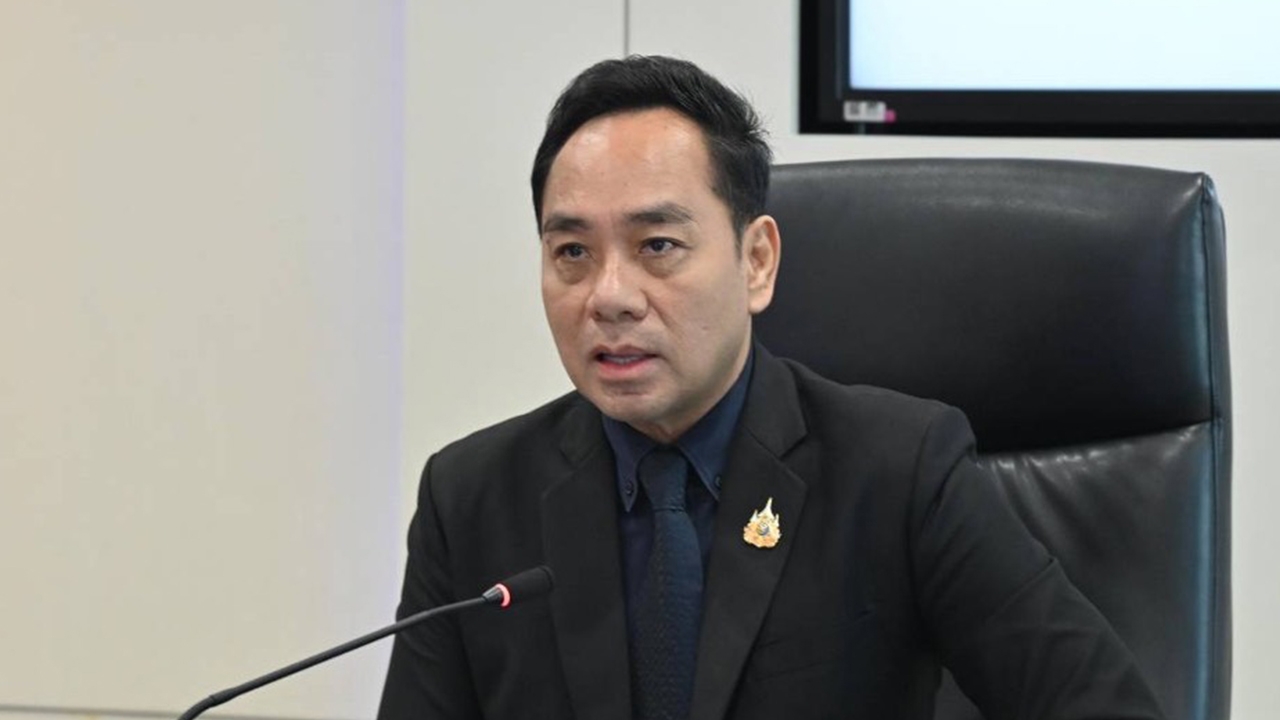
Mr. Wityakorn Maneenet, Director-General of the Department of Internal Trade. He revealed the operational approach to address tensions from the Middle East conflict, stating that the Department of Internal Trade is closely monitoring and regulating prices of consumer goods, especially those whose cost structures are linked to oil prices and imported raw materials, to prevent impacts on the cost of living for the public.
Mr. Wityakorn added,"According to the 2025 announcement of the Central Committee on Goods and Services (CCGS), there are currently 59 controlled products under the Price of Goods and Services Act. Measures to regulate prices of essential goods impacting the public require producers and sellers to obtain permission from the department. The department thoroughly reviews cost structures before approving any price adjustments. So far, no operator has applied to raise prices. We have also requested producers and sellers to maintain prices at current levels to ease burdens on the public during this critical time."
Mr. Wityakorn further stated, "At the same time, the department has evaluated cost structures and identified six key product groups potentially impacted by oil costs and transportation issues: fresh foods such as eggs, pork, and chicken; major agricultural products including rice, palm oil, and fruits; essential consumer goods like tissue paper and paper packaging; canned foods, especially canned fish; beverages and products using plastic packaging such as bottled water, milk, and vegetable oil; and construction materials like cement, rebar, house paint, PVC pipes, and tiles. These are fundamental goods for daily life and the economy."
Regarding agricultural products and production factors, the Department of Internal Trade continuously monitors chemical fertilizer availability. Currently, Thailand has sufficient stock for domestic use. Importers have diversified sources to countries unaffected by the conflict, including Malaysia, Brunei, and Oman. Plans are in place to connect fertilizer producers directly with farmers nationwide to support the May to August planting season, covering key crops such as rainfed rice, corn, palm oil, and fruits, focusing on three main fertilizer types: urea, phosphate, and potash fertilizers.These coverfertilizer formulas suitable for all plant types and growth stages. The department is preparing affordable Green Flag Fertilizer campaigns to reduce costs for farmers.
To oversee product situations, the Department of Internal Trade uses a three-tier product tracking system reviewed monthly: a Sensitive List of 18 items including chemical fertilizers, eggs, pork, vegetable oil, diesel, and plastic pellets, monitored daily with strict inspections; a Priority Watch List of 4 items such as prepared foods, powdered milk, pesticides, and hot-rolled steel sheets, checked twice weekly to prevent hoarding; and a Watch List of 197 items like soap and detergent, checked every 15 days.
The Director-General of the Department of Internal Trade added that the current domestic product and price situation remains manageable. The department closely monitors stock levels and cost structures continuously to ensure sufficient consumer goods supply nationwide. The public is urged to buy only what they need and avoid unnecessary hoarding to ensure widespread distribution. All sectors are encouraged to conserve energy, spend wisely, and closely follow government updates. He expressed confidence that with joint cooperation, Thailand can smoothly navigate this volatile period without disrupting citizens' livelihoods.
However, if price gouging, hoarding, or refusal to sell is detected, strict legal action will be taken. Failure to display price tags can result in fines up to 10,000 baht. Selling goods at excessive prices, hoarding, or refusal to sell carries penalties of up to 7 years imprisonment and fines up to 140,000 baht, or both. Citizens can report violations via the Department of Internal Trade hotline at 1569.
Read more news " State Policy "