

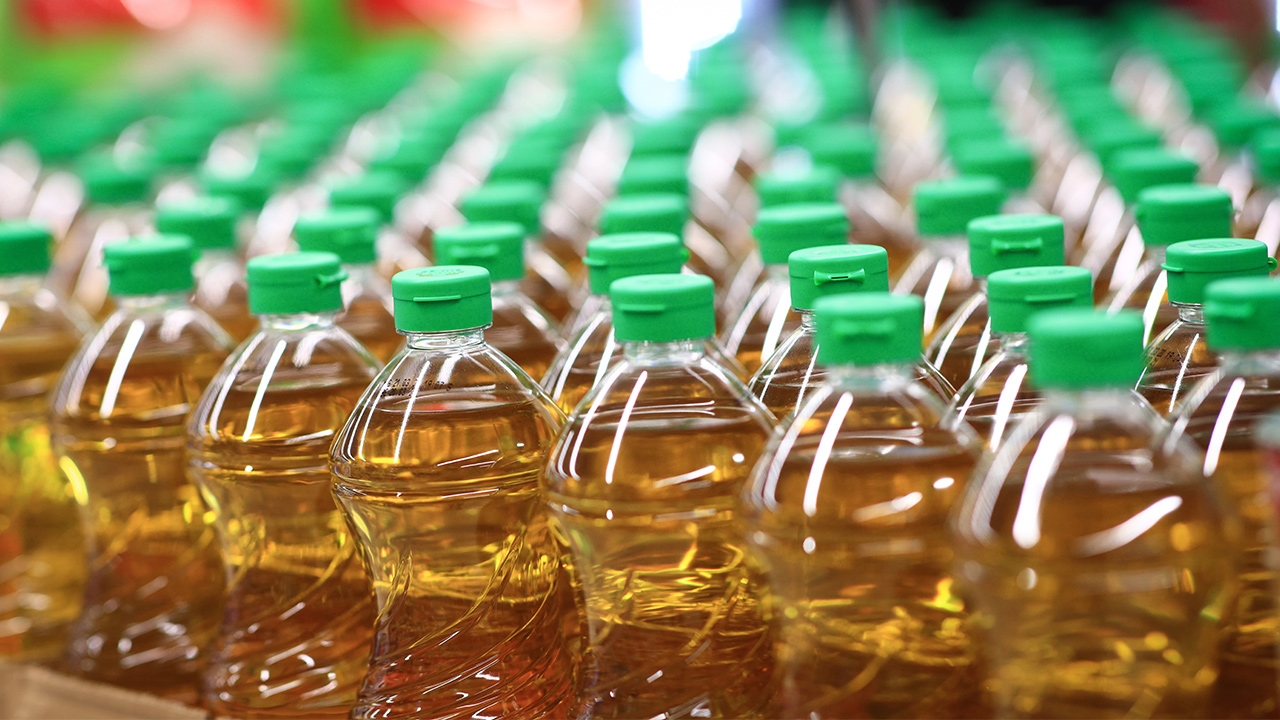
The Department of Internal Trade intensifies control measures on the export of crude palm oil (CPO), effective 7 Apr 2026, requiring exporters to obtain prior permission. This aims to manage the energy crisis caused by Middle East conflicts and to stabilize bottled palm oil prices for public cost of living. The department assures sufficient stock and no impact on farmers' palm fruit prices.
Mr. Witthayakorn Maneenet, Director-General of the Department of Internal Trade, explained that due to rising global oil prices amid Middle East tensions, the energy sector is expected to increase biodiesel use. Thailand uses large quantities of crude palm oil domestically and exports extensively. The government must manage the entire palm oil system to ensure sufficient supply for consumption and energy use while maintaining stable palm fruit prices to fairly support farmers' incomes.

The Central Committee on Prices of Goods and Services (CCPGS) has elevated control measures by issuing CCPGS Announcement No. 1 of 2026 on controlling the export of crude palm oil from the Kingdom. It mandates that exportersof "crude palm oil"(Crude Palm Oil: CPO) classified under customs subheading 1511.10.00, must obtain permission prior to export starting 7 April 2026, whereas previously no permission was required.
Exporters must receive an export permit from the Secretary-General of CCPGS specifying the type, quantity, duration, and location for the export. Each permit is valid for a single export only. This allows the government to appropriately manage domestic palm oil stocks in line with energy conditions and prevent shortages.

Mr. Witthayakorn emphasized that this measure primarily aims to reserve domestic energy raw materials and maintain stable palm oil prices for consumer use. The department will oversee appropriate palm fruit price levels to avoid oversupply, easing farmers' concerns and ensuring fair income.
For 2026, the Office of Agricultural Economics forecasts total palm fruit production at 21.87 million tons, yielding approximately 3.94 million tons of crude palm oil. As of February 2026, Thailand's crude palm oil stock is about 0.371 million tons, considered adequate. Bottled palm oil supply is also sufficient to meet domestic demand.
"The ultimate goal is to protect the cost of living for our citizens,while maintaining the country's energy security and fairly supporting palm oil farmers' incomes. The Department of Internal Trade will closely monitor the situation daily to ensure adequate product availability, fair prices for consumers, and to prevent hoarding,""the Director-General of the Department of Internal Trade concluded.
Read more news on " State Policy "