

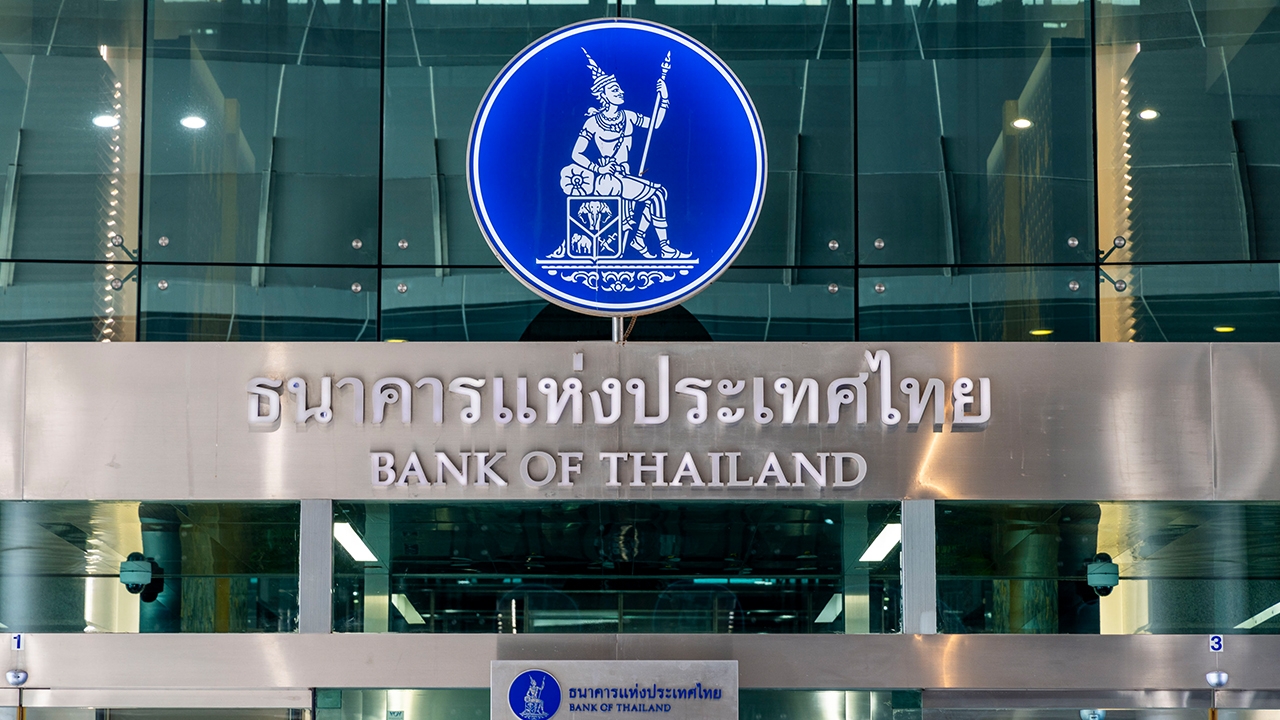
The Bank of Thailand (BoT) has stepped in to request financial institutions to accelerate assistance to debtors and SMEs impacted by the economic situation and soaring energy prices. It has introduced relief measures such as easing existing debts by reducing installments and cutting interest rates, alongside launching new credit to inject liquidity, aiming to support businesses and the public through the crisis. crisis
The prolonged conflict in the Middle East has directly driven energy prices continuously higher. This situation has increased the cost of living for the public and raised business operating expenses, especially for small and medium-sized enterprises (SMEs) facing liquidity shortages. At the same time, their debt repayment capacity tends to decline due to higher costs and shrinking revenues.
To prevent wider repercussions, the Bank of Thailand (BoT) has called on financial institutions, specialized financial institutions, and BoT-regulated businesses to promptly implement measures to assist debtors, focusing primarily on assessing their long-term debt repayment ability.
BoT has outlined two main approaches for helping debtors, enabling financial institutions to apply and adapt them according to each debtor's situation, as follows.
Financial institutions must quickly assist debtors at the first sign of distress to reduce installment burdens in line with current income. This covers all types of loans, including hire purchase, leasing, vehicle title loans, and personal loans. The relief measures include:
Financial institutions must clearly discuss terms with debtors and guarantors to ensure understanding of the impacts of participating in these measures.
Besides easing existing debt burdens, financial institutions should consider providing new loans to boost liquidity and strengthen business capacity. This includes loans for investing in energy-saving technologies, utilizing risk mitigation or guarantee mechanisms such as the SMEs Credit Boost program or the "SMEs Secure+" principle, which allows flexible credit assessment based on collateral value alongside cash flow.
Nevertheless, BoT affirms it will closely monitor the economic situation and comprehensively assess impacts on the financial system to adjust policies appropriately. The main goal is to alleviate public hardships and help SMEs adapt and sustain their businesses.
Read more news " Government policy " updates