

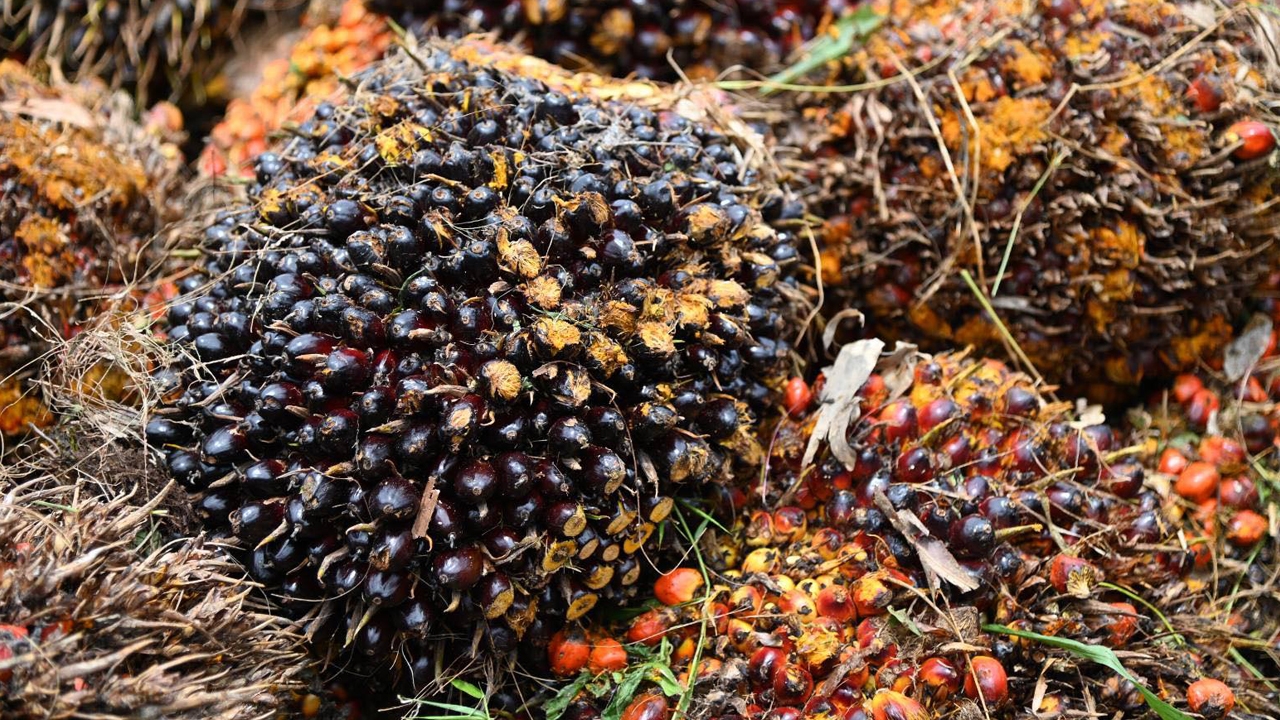
The Department of Internal Trade has ordered strict control over palm oil purchases after the Songkran festival, launching immediate inspections at collection yards and processing factories to prevent price suppression and increasing energy sector demand to support price increases.
Mr. Witthayakorn Maneenet, Director-General of the Department of Internal Trade, said the palm oil market has seen a continuous price improvement recently, driven by a temporary reduction in supply entering the system during theSongkran festival.This is because some collection yards and extraction factories temporarily cease operations, reducing the amount of product entering the market, while demand remains high, especially from the energy sector, resulting in a tendency for prices to rise.

Mr. Witthayakorn added, "Domestic demand for palm oil continues to increase, particularly in the energy sector, under the B7 and B20 diesel fuel policies. This has caused the use of crude palm oil (CPO) to rise from about 71,600 tons per month to around 140,000 tons per month, nearly doubling. This allows the system to absorb production efficiently and is a key factor supporting current price levels.
As of 10 April 2026, fresh palm fruit prices ranged from 7.00 to 7.90 baht per kilogram, averaging 7.45 baht, up from last year's average of 5.95 baht, an increase of about 25%. Meanwhile, crude palm oil (CPO) prices stood at 40.50 to 41.00 baht per kilogram, averaging 40.75 baht, up from last year's average of 35.38 baht, an increase of approximately 15%. This reflects strong market support, allowing farmers to sell their products at favorable prices.."
Regarding regulatory oversight, Witthayakorn Maneenet said that after the Songkran festival, provincial commerce officials in palm-growing areas have been instructed to immediately inspect collection yards and extraction factories to ensure normal and fair purchasing operations. Purchase prices must be clearly displayed, and any attempts to suppress prices paid to farmers are strictly prohibited. Violators will face legal action immediately.

Meanwhile, next week, the Department of Internal Trade plans to hold a meeting of the Subcommittee on Palm Oil Balance Management with representatives of palm growers to closely monitor both quantity and price trends. Appropriate measures will be considered to align with the situation. It is believed that the demand factors and strict management will help palm oil prices continue to improve steadily.
Mr. Witthayakorn said that export control measures for crude palm oil (CPO) remain in place, managed proactively through a prior approval system. This ensures adequate domestic supply before considering exports. This is not a ban on exports but a measure to balance overall supply and demand.
"Current actions involve close system-wide management, from overseeing purchases in production areas to managing volume and demand, to keep palm oil prices at appropriate levels and ensure farmers have stable and continuous income," said Mr. Witthayakorn.
Read more news " State Policies "