

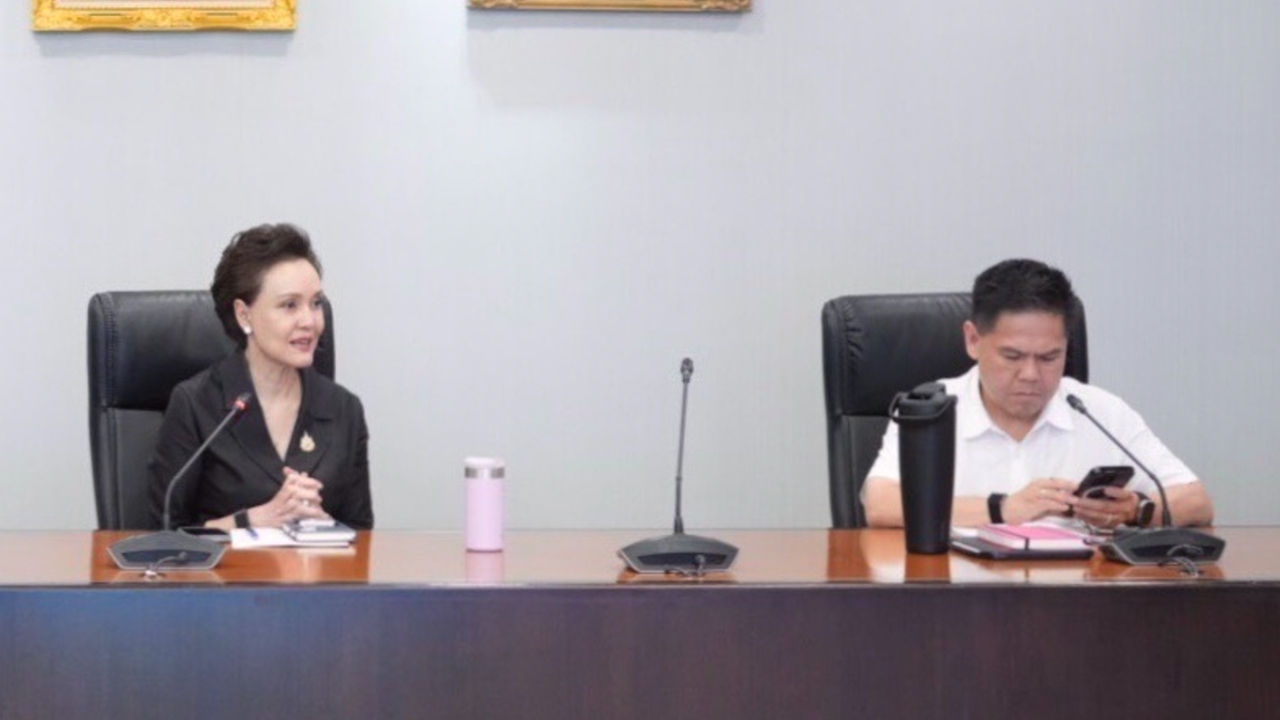
“Supachai and Warawut” They led teams from the Ministry of Commerce and the Ministry of Industry to discuss ways to reduce plastic packaging use by promoting agricultural waste materials as substitutes, aiming to ease living costs for citizens and address the Middle East crisis impacting the global plastic pellet supply chain.
On 16 Apr 2026 GMT+7, at Government House Building 1, Deputy Prime Minister and Minister of Commerce Supachai Suthamphan chaired a meeting with Warawut Silpa-archa, Minister of Industry, along with senior officials from both ministries to find ways to cope with production cost fluctuations and promote sustainable resource use.

This discussion focused on promoting production of containers made from natural plant fibers and agricultural waste materials to replace plastics domestically. Besides reducing environmental problems, it also enhances Thailand’s capacity to maximize the value of agricultural resources. The main goal is to convert agricultural residues such as bagasse, rice straw, and other biomass into environmentally friendly packaging.
This meeting continued efforts from discussions on 8 Apr 2026 GMT+7 concerning management approachesof "plastic pellets"after the Ministry of Commerce declared plastic pellets asa “controlled commodity.”The main reason for upgrading control measures stems from global volatility, especially the Middle East conflict crisis that directly impacts raw material supply chains, since plastic pellets are critical upstream materials for many industries including food packaging, pharmaceuticals, and consumer goods. The control designation aims to prevent cost impacts from transferring to businesses and the public’s living expenses.

In response, the government is advancing parallel policies: short-term measures to regulate the price and supply of key raw materials like plastic pellets to prevent shortages, alongside long-term foundations by promoting environmentally friendly alternative materials.
This approach not only reduces risks from reliance on imported raw materials but aligns with global market megatrends prioritizing sustainability, which will also increase the long-term value of Thailand’s agricultural products.
Read more news on " government policy "