

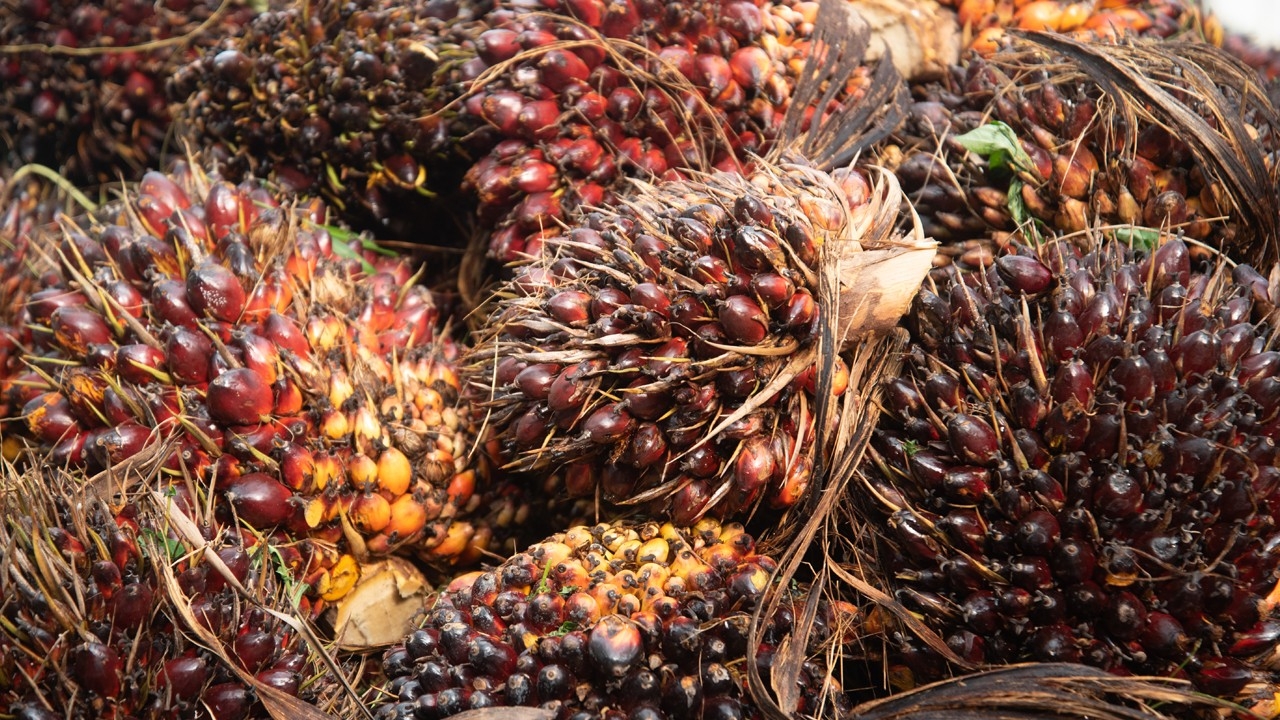
Mr. Witthayakorn Maneenet, Director-General of the Department of Internal Trade, revealed that the Ministry of Commerce received a letter from Mrs. Arunee Cheesangwon, a representative of the Rapeepat palm oil farmers group from Pathum Thani province, along with networks of palm oil farmers from the central and southern regions. They submitted this letter in negotiations with the Prime Minister and Minister of Commerce, requesting urgent measures to address the continuously declining prices of palm fruit.

The Department of Internal Trade acknowledged farmers' concerns, especially regarding the rapid decline in palm fruit prices, now around 6.60–7.20 baht per kilogram. They also noted proposals for the government to increase domestic use of crude palm oil (CPO), particularly in the energy sector through diesel blends B7 and B20, to help absorb production and reduce price volatility.
Additionally, farmers proposed strict oversight of the purchasing mechanisms, including cost structures and transportation fees, since production costs have continuously risen, especially fertilizer and transportation expenses. They also requested clear policies covering the entire system, including domestic use, exports, and energy sector applications.
Mr. Witthayakorn stated, “The Ministry of Commerce confirms appropriate management to balance palm oil supply. Domestic consumption remains unchanged, but energy sector use will increase from about 70,000 tons to 100,000–110,000 tons. The Department of Energy Business plans to further raise consumption volumes. Currently, there are around 100 sales points, which will increase to 200 by the end of April, with ongoing plans to expand sales points to support transportation sector usage.”

Regarding exports, the Ministry of Commerce confirmed that exports are not prohibited. Exports continue normally under a pre-approval system used to manage and maintain balance. The ministry has streamlined criteria to facilitate this process, allowing operators to export as usual.
As for this year’s production situation, output has not reached expected market levels during April–May, reflected by many areas lacking queues to sell. However, palm fruit prices continue to decline, partly due to the drop in global crude palm oil prices from approximately 40 baht per kilogram to about 36 baht per kilogram.
The Department of Internal Trade has instructed the Provincial Commodity and Service Price Committees (PCSPC) in production areas to investigate price mechanisms from collection yards and extraction plants to end markets, to prevent price distortion. This follows complaints of purchase prices falling rapidly by 40–50 satang daily but rising slowly. The department will expedite inspections to assist the farmers as soon as possible.

Simultaneously, the department will conduct continuous inspections of purchase practices and oil content measurements. If any price suppression or exploitation of farmers is found, legal action will be taken immediately to ensure farmers receive fair prices.
Regarding bottled palm oil prices, Mr. Witthayakorn said current retail prices still reflect crude palm oil (CPO) costs from about 1–2 months prior, due to existing stock mixed with new production. Although six producers have requested price adjustments, no new pricing framework has yet been approved.

Market price increases reflect adjustments within the existing price framework. Previously, intense price competition led operators to offer discounts; now, with rising costs, trading mechanisms have returned prices to previous approved levels. The department confirmed that any requests for new price framework increases will be evaluated carefully based on cost structures and market conditions, while managing stocks sufficiently to avoid impacting consumer living costs.
“However, for the farmers, the Department of Internal Trade emphasizes they are a top priority. The department will monitor palm trading conditions throughout the system to maintain price stability, ensuring fair treatment for both farmers and consumers,” Mr. Witthayakorn concluded.
." State Policy . Additional