

The U.S. evaluates the status of "intellectual property" protection among key trading partners, noting Thailand's continuous progress in protecting and enforcing intellectual property rights without interruption.
The U.S. announced the 2026 intellectual property protection status for key trading partners, maintaining Thailand on the Watch List (WL). It recognizes Thailand's ongoing advances in raising IP protection standards to align with international norms and in strictly enforcing related laws.
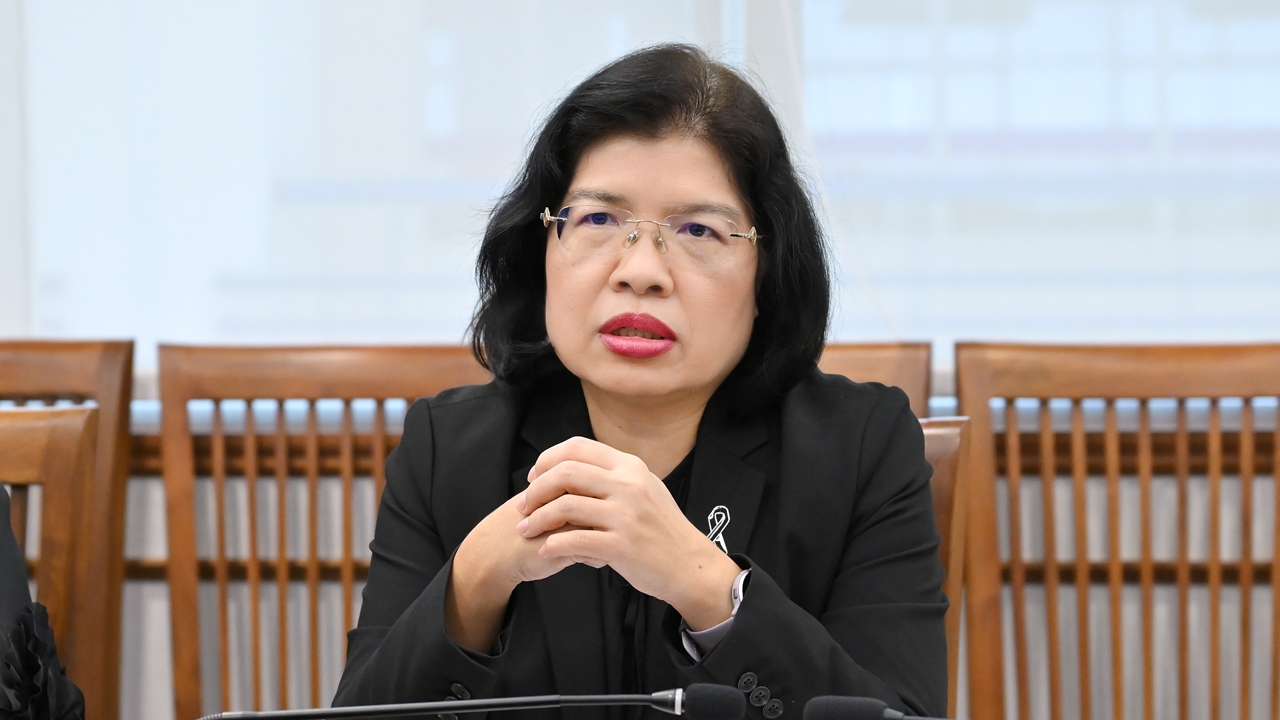
Oramon Subtaweetham, Director-General of the Department of Intellectual Property, revealed that the United States Trade Representative (USTR) annually issues a report on intellectual property protection among key trading partners under the Special 301 provision of U.S. trade law.

The report assesses IP protection levels among trading partners, categorizing countries into three groups: Priority Foreign Country (PFC) for the worst offenders, Priority Watch List (PWL) for special attention, and Watch List (WL). The latest announcement on 1 May 2026 GMT+7 confirmed Thailand remains on the Watch List alongside 18 other countries and groups, including Algeria, Argentina, Barbados, Belarus, Bolivia, Brazil, Canada, Colombia, Ecuador, Egypt, the European Union, Guatemala, Mexico, Pakistan, Paraguay, Peru, Trinidad and Tobago, and Turkey. This year, the U.S. tightened its evaluations, moving Vietnam from the WL to the PFC for the first time since no country was on the PFC list last year. Six countries are on the PWL: Chile, China, India, Indonesia, Russia, and Venezuela. The EU was also newly added to the WL this year.
The 2026 Special 301 report notes U.S. recognition of the Thai government's commitment and ongoing progress in IP protection and enforcement, especially proactive measures against infringements, integrated law enforcement efforts, pushing for copyright and patent law amendments, and preparations to join key international IP treaties such as the WIPO Performances and Phonograms Treaty and the Hague Agreement on the International Registration of Industrial Designs. However, the U.S. urges Thailand to expedite legal revisions to join these treaties. It also highlights ongoing sales of counterfeit goods, particularly online, and calls for expanded enforcement.
The report calls for extending crackdowns to major distributors and production sources. It also notes patent application backlogs in some fields, especially pharmaceuticals, issues with unauthorized copyright fee collections, use of pirated software, and online copyright infringements through unauthorized content downloading devices and applications.

Previously, the Ministry of Commerce under Deputy Prime Minister and Minister of Commerce Suphajee Suthumpun directed the Department of Intellectual Property to strengthen Thailand's IP ecosystem, fostering creativity and ongoing trade and investment. Efforts include updating IP laws and regulations, adopting digital technologies to improve registration and public services, encouraging businesses to leverage IP for commercial value, and close public-private cooperation in combating IP infringements. In the first six months of fiscal year 2026 (October 2025–March 2026), 332 IP infringement cases were prosecuted across trade zones and online platforms, with over 1.3 million seized counterfeit items valued at 2.3 billion baht in economic damages. Proactive awareness campaigns educate consumers on the risks of counterfeit goods. These ecosystem developments support Thailand's readiness to elevate its IP system to international standards under the government's Trade Plus policy, aiming to boost Thailand's credibility in global trade amid current international challenges.
Meanwhile, the government prioritizes addressing ongoing U.S. concerns, including tackling online and market IP infringements, especially in trade zones identified in the March 2026 Notorious Markets report highlighting global hotspots for IP violations. It also focuses on improving legislation for fair copyright remuneration, expediting patent application processing, and integrating digital technology to enhance efficiency and accuracy in patent examination. These efforts aim to prompt the U.S. to reconsider and remove Thailand from the Watch List promptly.
Oramon emphasized that removing Thailand from the Watch List remains a key goal for the department. They will continue updating the U.S. on Thailand's IP progress and implement the jointly developed IP Work Plan with the USTR effectively. Particular focus is on collaborating with economic, security, and justice agencies to proactively disrupt counterfeit supply chains at their sources, targeting counterfeit seizures in trade zones, warehouses, and border customs checkpoints.
Additionally, the department aims to enhance Thailand's IP system to be efficient, transparent, and compliant with international standards. This not only strengthens the trade and investment environment and Thailand's credibility internationally but also supports Thai innovation and creativity, increasing the competitiveness and sustainable business opportunities for Thai entrepreneurs.
Oramon concluded by thanking all involved agencies for their strong commitment to advancing IP initiatives, which has clearly improved Thailand's global image. The department invites the public and businesses to join efforts in fostering a transparent business environment by not supporting IP-infringing goods or content and to monitor and report suspected IP violations. Tips can be reported to the Intellectual Property Crime Suppression Division, Department of Intellectual Property, at phone 02-547-4702 or hotline 1368.
." Government Policy ."