

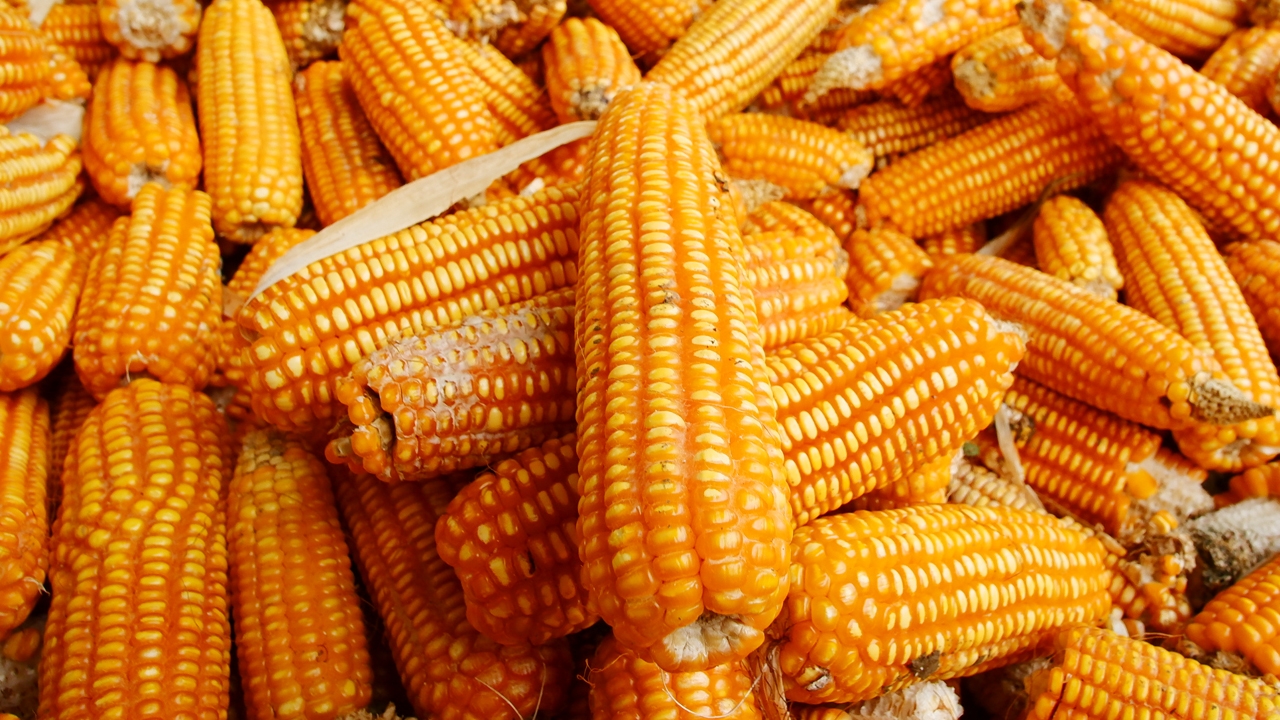
The Commerce Ministry emphasized that Thai private companies are preparing to import 1 million tons of animal feed corn from the United States to strengthen supply chain security. Domestic production is insufficient, requiring annual imports of over 4 million tons. The ministry confirmed detailed import conditions and criteria that importers must strictly follow. Importantly, this builds confidence with the U.S. for long-term mutual benefits. It also supports exports of Thai agricultural products to the U.S., especially jasmine rice, fisheries, and processed fruits and vegetables.

Kornit Nonjui, Inspector General of the Ministry of Commerce and spokesperson for the ministry, revealed that in early May 2026, the Thai Chamber of Commerce, the Federation of Thai Chambers of Commerce, the Royal Thai Embassy in Washington D.C., and the Ministry of Commerce were invited by the Thai private sector to witness the signing of a cooperation agreement for the purchase of animal feed corn between Thai and U.S. private sectors. This guarantees that Thailand's meat processing industry for domestic consumption and export will have a secure food supply chain, enhancing competitiveness in global markets.
“Thailand requires approximately 9 million tons of animal feed corn annually but produces only about 5 million tons. Thus, there is an annual shortfall of around 4 million tons. Thailand has been importing from neighboring countries such as Myanmar and Laos and using substitute materials domestically and imported, including wheat from Ukraine and Australia, totaling about 4 million tons per year.”
However, importers must strictly comply with government conditions: they must first purchase all 5 million tons of domestic animal feed corn. Collectors must buy corn at 30% moisture content at no less than 7.05 baht per kilogram, and feed mills in Bangkok and surrounding areas must buy corn at 14.5% moisture at no less than 9.80 baht per kilogram. Additionally, the government supervises to prevent imports from destabilizing domestic corn prices. Imports of unburned feed corn from neighboring countries—Myanmar, Laos, Cambodia—are prohibited to prevent pollution and PM 2.5 dust.
Furthermore, this private sector agreement is part of a long-term strategy to develop Thai-U.S. trade relations, building confidence with U.S. government agencies. It benefits ongoing trade negotiations both sides are working to finalize, which will support exports of Thai agricultural and processed agricultural products to the U.S., particularly jasmine rice, fisheries products, and processed fruits and vegetables.
Regarding concerns about the impact of importing animal feed corn on other animal feed raw materials such as rice bran, rice husks, and rice tailings, Kornit said the Ministry of Commerce has discussed with the President of the Thai Rice Millers Association. The association and the ministry will jointly supervise the animal feed supply chain to maintain balance and prevent negative effects on farmers.
Concerning worries that agricultural imports might impact the domestic ecosystem and farmers, it was confirmed that the Department of Agriculture is the main responsible agency. It mandates pest risk analysis and establishes "phytosanitary protocols" with trading partner countries. These set control criteria from registration of farms and packing houses at the origin and enforce pest control measures according to international standards.
“The government has carefully and thoroughly considered the balanced benefits of all stakeholders in the supply chain, including farmers, traders, producers, exporters, and importantly, consumers, who should not face price impacts from unnecessary cost increases.”
, State Policy Additional