

The Joint Public-Private Sector Committee (JPC) identifies the Middle East conflict as a 'time bomb' but is particularly worried that the 'labor crisis' will further damage the situation. It urges the government to urgently renew foreign workers' permits to support the economy and prevent illegal labor problems from escalating into national security issues.
On 22 May 2026, Mr. Viboon Supakornpongkul, Vice Chairman of the Thai Chamber of Commerce and Chairman of the Labor and Skills Development Committee, stated that the global economic volatility caused by the escalating conflict between Iran and Israel is directly and indirectly impacting Thailand's economy and society.
This impact is especially notable in the export, agriculture, tourism sectors, and energy costs. The Joint Public-Private Sector Committee (JPC) forecasts that Thai exports face challenges from rising logistics costs, including higher freight charges and war risk insurance premiums.
Meanwhile, the tourism sector risks losing income from Middle Eastern tourists, a group known for strong purchasing power. Overall, the conflict could reduce Thailand's GDP by 0.1 to 0.8%, depending on the intensity of the events, even though Thailand is not at the conflict's center.
However, this is an economic 'time bomb' due to soaring energy prices and trade costs, posing a major challenge that government and private sectors must urgently plan for to maintain economic stability through the crisis.
Nonetheless, the crisis could be an opportunity for Thailand, especially in exports, due to expected shortages in some markets. The key is integrating strategies and carefully choosing transportation routes, whether through Saudi Arabia or via Africa to the Middle East region.
In tourism, instability in the Middle East may lead European tourists, particularly Scandinavians who previously traveled to the region, to shift their destinations to Asia, ASEAN countries, and Thailand.
Additionally, investors and affluent individuals from the Middle East may seek safe areas for residence or investment, with Thailand having potential, especially as a center for health and medical tourism.
From the above, it is clear Thailand still has opportunities amid this situation. However, the private sector faces a serious problem: a labor shortage. Thailand is confronting structural labor issues causing ongoing shortages across all business sectors.

At the same time, Thailand’s birth rate has significantly declined, leading to a noticeable contraction in the domestic workforce. Combined with restrictions on foreign labor importation, this has intensified shortages across skill levels—from unskilled to semi-skilled and skilled workers.
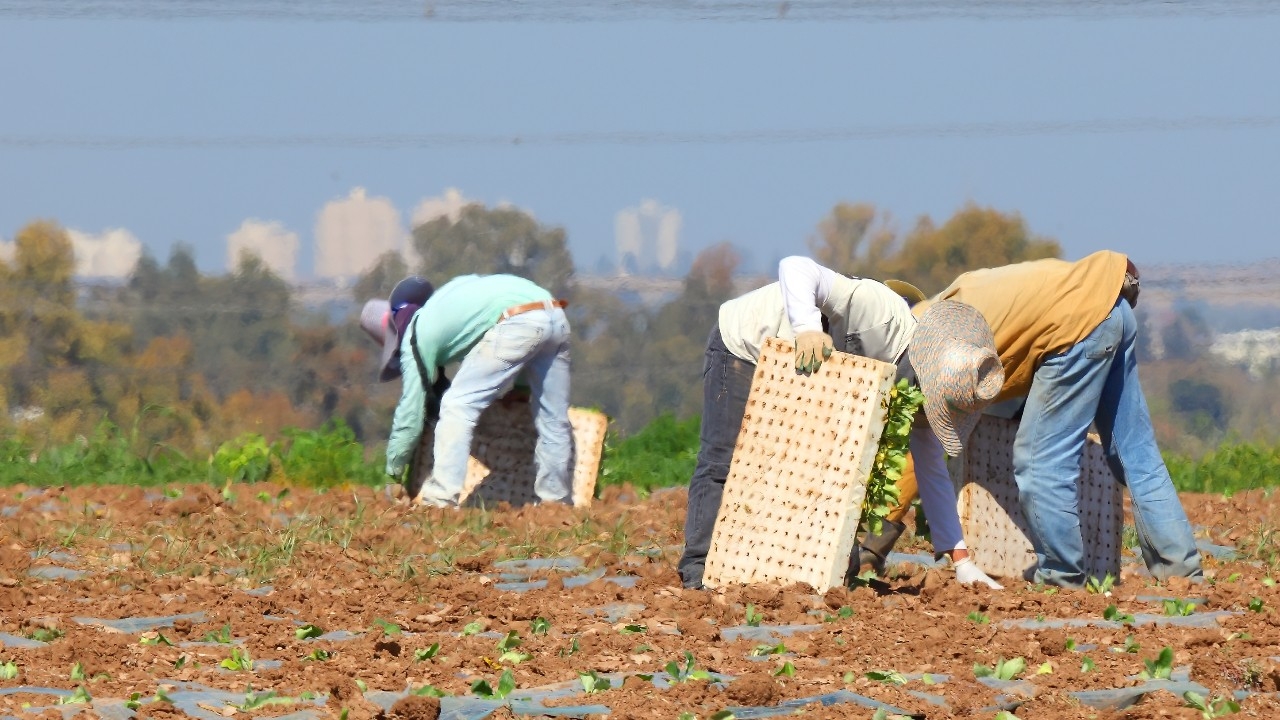
Moreover, Thailand is severely short of foreign labor, directly affecting operations, production, services, and the competitiveness of Thai businesses. This situation has caused significant difficulties, especially in construction, manufacturing, agriculture, seasonal fruit harvesting, and service sectors—all key to the economy and linked to government infrastructure projects in the latter half of 2026.
Mr. Suchart Chantranakornraj, Vice Chairman of the Federation of Thai Industries, expressed the JPC’s concern over the unresolved foreign labor shortage issues. He urged the government to promptly address labor shortages across industries. The JPC recognizes the need to manage foreign labor with comprehensive consideration of security, economic, and social dimensions.
Given the urgent current situation, short- and medium-term measures are necessary—particularly renewing work permits for all foreign workers in Thailand. This is an essential immediate action that must be implemented swiftly.
This aims to prevent these workers from becoming undocumented and difficult to control, which could pose national security risks. Concurrently, the government should expedite systematic management plans for all foreign labor to maintain workforce stability in the country.