

The Minister of Agriculture revealed that Thai agricultural exports in the first quarter of 2026 were robust, with a trade surplus exceeding 194 billion baht. He ordered a rapid upgrade of products to meet international standards, emphasizing value-added processing and traceability to sustain competitiveness in the global market.
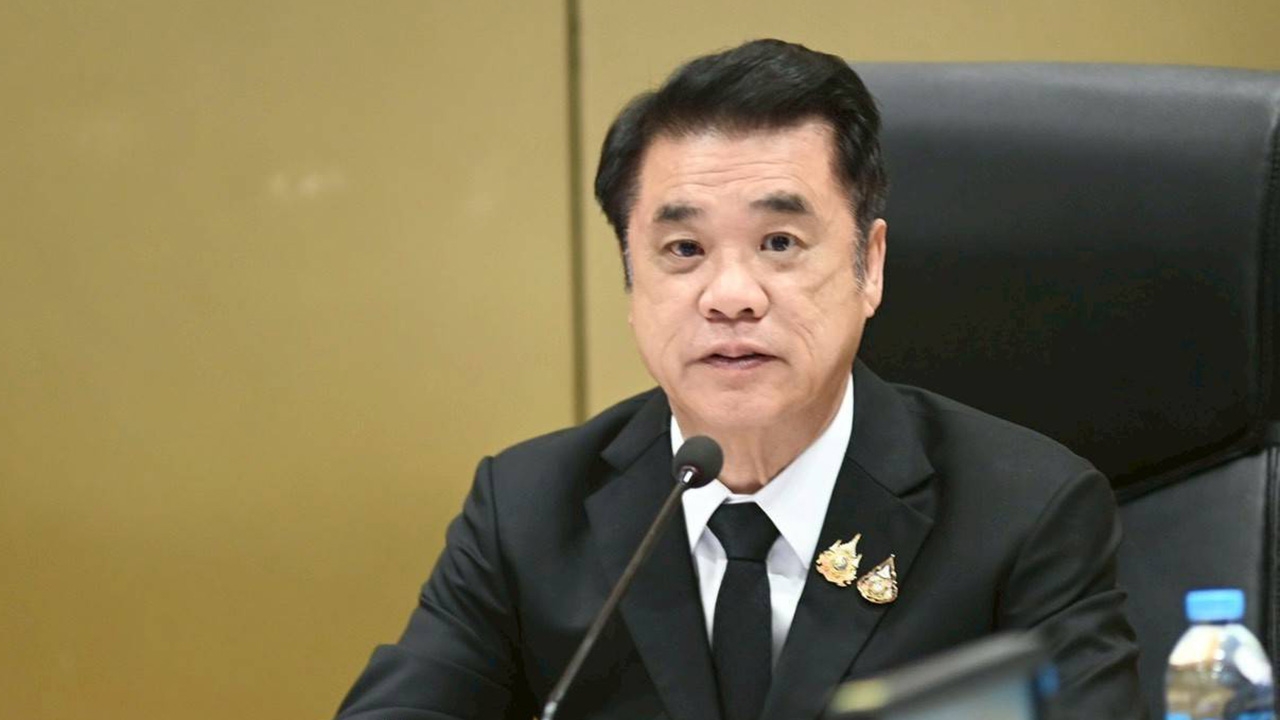
Mr. Suriya Juangroongruangkit, Minister of Agriculture and Cooperatives. He revealed that the total value of Thai agricultural trade with the global market in the first quarter of 2026 was 519.016 billion baht, comprising exports worth 356.575 billion baht and imports totaling 162.441 billion baht. Nevertheless, Thailand still maintained a significant agricultural trade surplus of 194.134 billion baht, reflecting the strong production base of the Thai agriculture and food sector and its continuing important role in the global market.
The Minister of Agriculture and Cooperatives stated that although the agricultural trade surplus remains high, changes in both export and import trade values must be closely monitored to assess the future direction of Thailand’s agricultural and food supply chains. This is especially important amid rapidly changing environmental factors, including global agricultural commodity prices, price competition, costs, logistics, exchange rates, and increasing roles of trade and environmental standards in the global market.
“Thailand still holds advantages in many areas, including the diversity of agricultural products, a quality food production base, expertise in tropical agriculture, and the strong reputation of Thai food products in global markets. However, future competition cannot rely solely on volume or global market prices. It is necessary to upgrade to high-value agricultural products that meet standards, are traceable, and address the specific demands of each market,” said Mr. Suriya.Mr. Suriya said.
Regarding market structure, some major markets have contracted due to economic conditions and competition, while the South Asian market shows promising expansion. Trade value with South Asia increased by 55.84%, and exports rose by 153.85%, reflecting opportunities for Thailand to strategically diversify its markets. This requires in-depth analysis by product, market, and competitor to tailor export strategies appropriately. For example, premium markets focus on standards, quality, and product differentiation; general markets emphasize cost competitiveness and supply continuity; emerging markets prioritize food security and international economic cooperation.
Mr. Suriya added that the structure of Thai agricultural products still has a high proportion of raw and semi-processed items, such as rice, rubber, fresh fruit, and commodities tied to global market prices. Therefore, it is important to accelerate the development of high-value agricultural products, especially processed goods where Thailand has potential, such as processed chicken, pet food, prepared tuna, seasonings, ready-to-eat foods, and food products adhering to high safety standards. These product groups can generate added value and enhance resilience in the Thai agriculture sector amid global market fluctuations.
Meanwhile, Mr. Peeraphan Kothong, Secretary-General of the Office of Agricultural Economics (OAE), said that the OAE, as the agency responsible for agricultural economic data and analysis, views increasing the proportion of high-value agricultural products alongside maintaining Thailand’s key agricultural commodities as a crucial strategy to enhance competitiveness. This approach will increase the sector’s resilience to global price volatility. Additionally, developing agricultural trade data systems to track partners, competitors, and products in detail is essential for assessing market share changes and competitive factors such as price, quality, standards, logistics, and trade measures for each product and market.
Moreover, there is a need to accelerate the development of standards and traceability systems as vital infrastructure for the Thai agriculture sector, especially for products related to environmental and sustainability rules, such as rubber, livestock, rice, seafood, and processed agricultural goods. This shift will transform standards from a cost burden into an opportunity to build trust and added value in global markets. At the same time, developing price transmission monitoring systems will support transparent analysis of costs, price differentials, and returns throughout the agricultural product value chain.
The key challenge for Thai agriculture going forward is not just increasing export volumes but enabling Thai agricultural products to compete through quality, standards, credibility, traceability, processing, and value addition, so that benefits from global markets can sustainably flow back to farmers and the grassroots economy.
Read more news " Government Policy " here.