

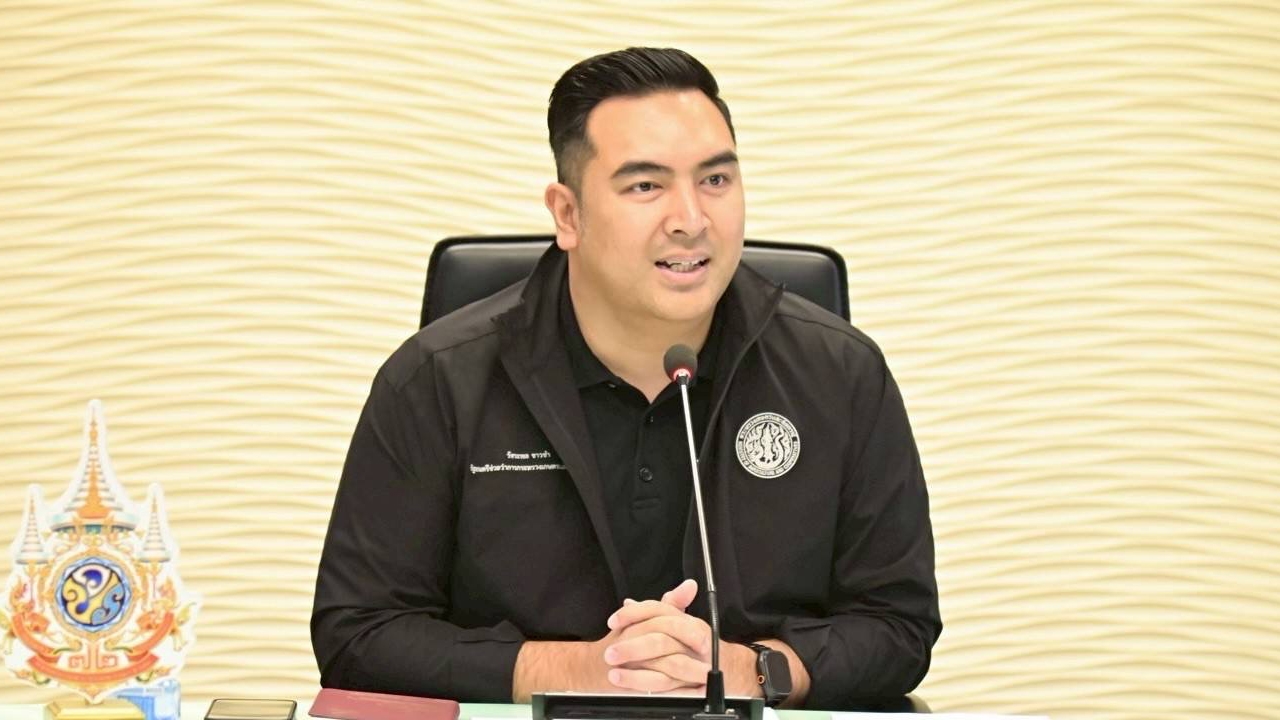
Suriyasak and Watcharapol are prepared to fly to Malaysia to negotiate resolving the suspension of Thai shrimp imports, aiming to swiftly reduce impacts on farmers and to accept private sector proposals to jointly advance the shrimp industry.
Watcharapol Khaokham, Deputy Minister of Agriculture and Cooperatives, revealed after chairing a meeting with representatives from the Thai Shrimp Association, allied shrimp farmers, and private sector actors in the shrimp industry to hear proposals and monitor the impacts of Malaysia's Ministry of Agriculture and Food Security tightening import measures on shrimp from Thailand. Present at the meeting were Thirachai Saenkaew, advisor to the Deputy Minister; Narumon Sanguanwong, Deputy Permanent Secretary of Agriculture and Cooperatives; Thitiporn Laoprasert, Director-General of the Department of Fisheries; and other relevant officials. On 1 June, Malaysian authorities announced a suspension of imports of five Thai shrimp species—tiger shrimp, whiteleg shrimp, Pacific white shrimp, black tiger shrimp, and blue shrimp—as part of retaliatory measures after Thailand tightened inspections on imported seabass from Malaysia, extending inspection times to 15 days due to previous residue detections in 2023. This situation has affected shrimp prices, farmers' incomes, operators, and local fishermen.

Watcharapol said the discussion revealed two main concerns from the Thai Shrimp Association and private sector representatives. The first was to expedite negotiations with Malaysian authorities to resolve the situation and reduce impacts on Thai shrimp exports. Today, Suriyasak Jungroongruangkit, Minister of Agriculture and Cooperatives, signed a letter to Malaysia's Minister of Agriculture and Food Security requesting formal talks. Operational-level officials from both countries will coordinate preliminary details before the meeting. It is expected that negotiations will proceed positively and conclude as soon as possible within June.
Regarding the inspection measures on seabass imported from Malaysia, the Ministry of Agriculture's Department of Fisheries is considering improving the inspection process to be faster by introducing technology to support analysis. This will reduce the current 15-day inspection period to about 7 days while strictly maintaining food safety standards and consumer protection within the country.

"If Malaysia responds positively, the Ministry of Agriculture is ready to proceed immediately with negotiations to find joint solutions and quickly reduce impacts on farmers and operators in both countries," Watcharapol said.
The second issue raised by the Thai Shrimp Association representatives was a proposal for long-term shrimp industry development to enhance competitiveness, given Thailand's history as a global leader in shrimp production and export. The association proposed a national agenda action plan for sea shrimp problem-solving from 2026 to 2030, covering urgent, medium, and long-term phases. The Deputy Minister assigned the Department of Fisheries to consider the proposal and develop implementation guidelines in collaboration with all relevant sectors.

"To assist shrimp farmers urgently, the Ministry of Agriculture will coordinate with the Ministry of Commerce to monitor and manage price situations. The Department of Fisheries is currently accelerating projects and measures to reduce production costs, such as promoting clean energy use, adopting technology to improve farming efficiency, and organizing activities to stimulate domestic shrimp consumption. These efforts aim to alleviate difficulties for farmers while strengthening Thailand's shrimp industry for the long term," Watcharapol concluded.
/Read news " State Policy " further