

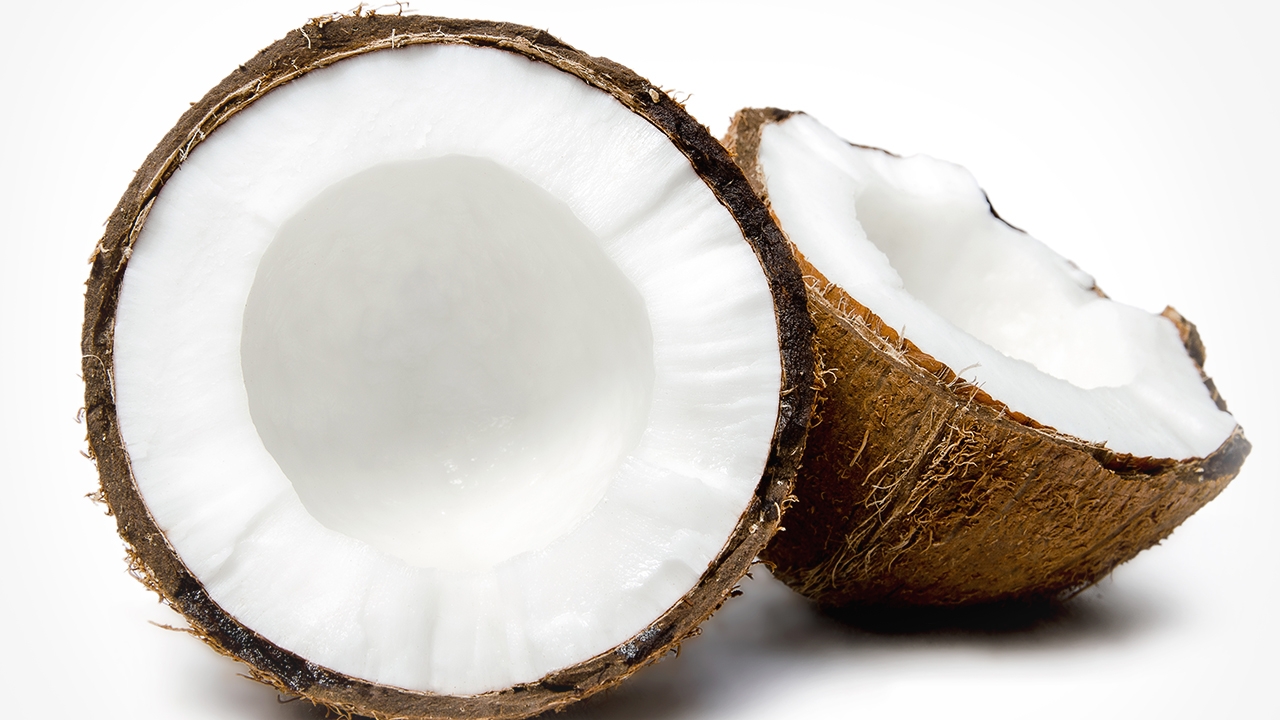
The Ministry of Commerce is urgently addressing the falling prices of cooking coconuts by involving coconut milk factories to purchase 8.8 million leftover fruits nationwide. It confirms the main cause is drought, not imports, and urges factories to urgently slow down imports.
Mr. Kornit Nonjui, spokesperson for the Ministry of Commerce, revealed that the Ministry of Commerce, through the Department of Internal Trade and Department of Foreign Trade, has held meetings with provincial commerce offices, coconut milk factories, and related agencies to monitor the cooking coconut price situation. Currently, production is entering the market in large quantities. The Office of Agricultural Economics forecasts 2026 production at 0.852 million tons, a 2.4% increase from last year. However, drought has caused smaller coconuts that do not meet market demand for grated coconuts, and excess production is flowing into processing factories. These factories face capacity limits, causing leftover stock. Collection centers and factories have slowed purchases, resulting in farmgate prices dropping to 6-7 baht per coconut.
Regarding farmers' concerns that imports of cooking coconuts by factories are causing the problem, investigations found that coconut milk factories use domestic coconuts as their main raw material at 80%, with imports only 20%. From the beginning of the year when domestic production increased, imports from January to May 2026 amounted to just 79,388 tons, a 60% reduction from 190,734 tons during the same period last year.

To alleviate farmers' difficulties, the Ministry of Commerce has set remedial measures with coconut milk factory operators, requesting factories to accelerate purchasing the 8.8 million leftover coconuts that have no buyers, allocating quotas by region as follows:
Prachuap Khiri Khan: 5 million coconuts.
Nakhon Si Thammarat: 1.6 million coconuts.
Surat Thani and Chumphon: 1 million coconuts.
Other production areas: 1.2 million coconuts.
Meanwhile, the Department of Foreign Trade has instructed importers and coconut milk factories to prioritize purchasing domestic production. Factories have confirmed they will begin reducing imports and focus mainly on using domestic coconuts during this period.
“The Ministry of Commerce expects these measures to reduce leftover production and help coconut prices gradually return to normal quickly. We will closely monitor purchase situations and prices, as well as regulate coconut imports by factories to avoid impacting domestic production. We support Thai coconut milk factories, recognized exporters with global standards, to expand their existing markets and access new ones. Importantly, we will upgrade production standards for farmers, farmer groups, and community enterprises to produce globally standardized, consistent, and traceable products, which will enhance the competitiveness of Thai operators in the global market,” Mr. Kornit said.
Read more news " State Policy " here.