

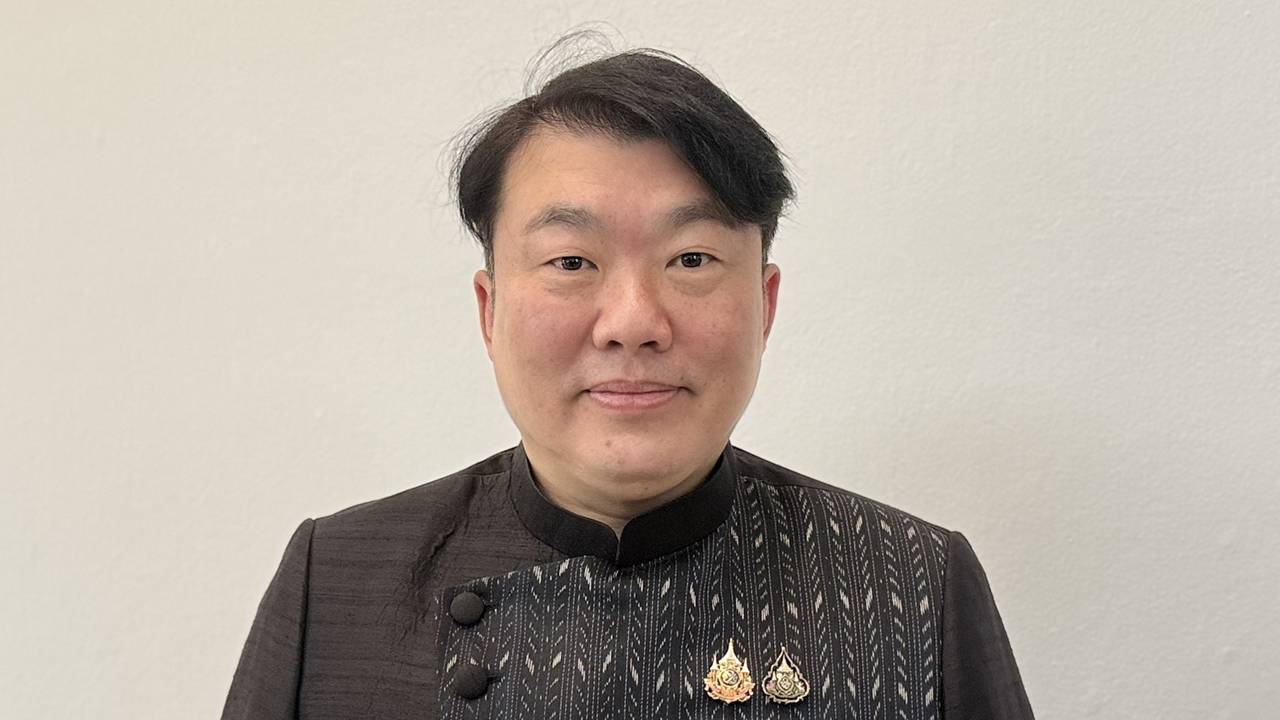
Siripong explained the public lighting electricity issue, noting that local administrative organizations, municipalities, and Bangkok Metropolitan Administration are managed under the same principles.Across the country, the governmentis accelerating the restructuring of electricity cost structures, aiming to reduce the public's burden.Long-term, he affirmedreadiness to collaborate on all approaches as long as public service missions are not affected.
Siripong Angkasakulkit, Deputy Minister of Transport, addressed the issue of public electricity fees for lighting systems under the Department of Highways (DOH) and the Department of Rural Roads (DRR).:He explained that this practice has been in place since 1987. Previously, the Department of Highways requested budget support amounting to hundreds of millions of baht to cover lighting electricity costs. However, the Budget Bureau raised concerns about numerous power lines running over poles owned by the Department of Highways, prompting questions about whether the transport agencies had ever charged the Electricity Authority rent for using those assets.
Siripongsaid,discussions at that time led the Electricity Authority to exempt public lighting electricity fees for the Department of Highways, considering it a public service. Meanwhile, the Department of Highways did not charge rent for the use of poles or related assets to the Electricity Authority either. This mutual support served the public interest. Later, the Decentralization Committee noted that local agencies nationwide—including Bangkok, municipalities, and local administrative organizations—also maintain public lighting services for citizens and thus deserved similar electricity fee exemptions. As a result, managing public lighting electricity costs became a government-wide policy, not limited to agencies under the Ministry of Transport.
Regarding Energy Minister Eknath Promphan presenting this information to Prime Minister Anutin Charnvirakul, Siripong said it was part of examining electricity cost structures so the Prime Minister could understand the components of the public's monthly electricity expenses and find ways to reduce their burden. After reviewing this information, the Prime Minister assigned the Ministry of Energy to study various corrective measures. The Ministry of Transport has no objection to any approach, provided it genuinely reduces public expenses and does not affect infrastructure development or public services by government agencies.
Siripongadded,the issue of public lighting electricity fees for the Department of Highways and the Department of Rural Roads should not be seen as a problem of any single agency, since it also involves local administrative organizations nationwide responsible for public lighting. If in the future the structure is adjusted or these costs are separated from electricity fees borne by the public, a standardized policy must be established across the board.
"Whatever the method, these costs remain a system burden; the question is who will bear responsibility. If government agencies pay, they must request budget allocations from the government anyway. Therefore, what the Ministry of Transport asks is that such budget allocations do not affect investments in infrastructure or public services.The Department of Highwaysand the Department of Rural Roads have never earned income from charging rent for pole use to the Electricity Authority, as such fees were never imposed. This mutual convenience for the public benefit has led to the continued exemption of public lighting electricity fees since 1987." Siripongsaid.:"
Additionally, the Ministry of Energy may consider managing costs from other electricity user groups, such as large data centers, which might have different electricity rate structures, to generate revenue that helps manage system expenses without increasing public burden or affecting government budgets. All depends on the energy authorities as policy makers.
Siripongsaid the issuearises from the government's effort to review and reduce energy costs for the public. The Prime Minister is leading this matter seriously for the first time in decades to identify hidden costs in electricity pricing and find systematic solutions. The key goal is to shift some burdens off the public's electricity bills to help lower living costs long term.
Read more news " Government Policy "