

The Trade Policy and Strategy Office (TPSO) reports that June 2026 inflation surged 2.42%, marking the third consecutive month of increase. Rising oil and transport costs have driven prices of seven popular single-dish meals up by 5-10 baht per plate nationwide. Meanwhile, the Ministry of Commerce is strictly monitoring to prevent opportunistic price hikes.
The Trade Policy and Strategy Office (TPSO) of the Ministry of Commerce reported that Thailand's general inflation rate in June 2026 continued to grow, mainly pressured by rising energy prices and higher living costs, directly impacting the prices of ready-to-eat foods in the market.

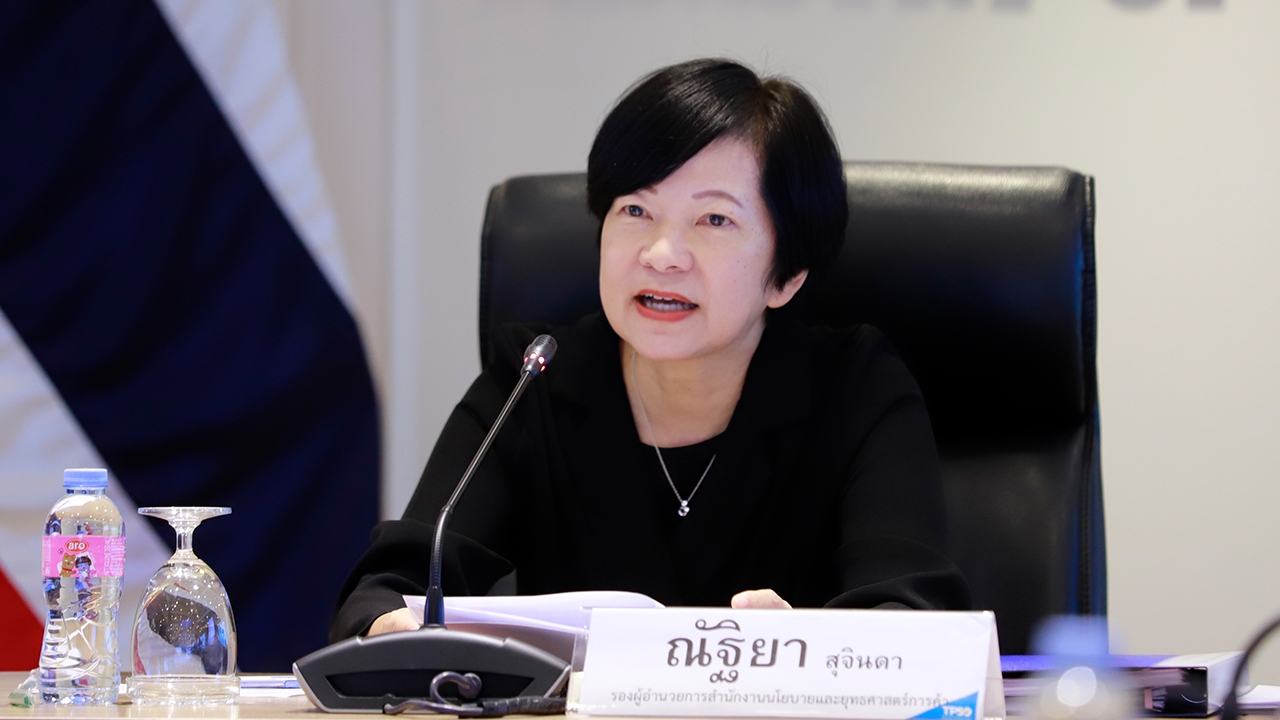
Ms. Nattiya Sujinda, Deputy Director of the Trade Policy and Strategy Office (TPSO). She revealed that the Consumer Price Index (CPI) for Thailand in June 2026 was 102.85, up 2.42% compared to June 2025, increasing for the third month but starting to slow. The persistent high inflation is due to domestic fuel prices remaining elevated from Middle East conflicts, higher public transport fares compared to last year, and widespread significant increases in prepared food prices, clearly raising living costs. Other goods and services had less impact on inflation.

Compared to May 2026, inflation was higher at 2.79%, and for the first six months (Jan–Jun) of 2026, it rose 1.08% year-on-year. Core inflation (general inflation excluding fresh food and energy) in June 2026 increased 1.23%, accelerating from 0.92% in May 2026, with a six-month average rise of 0.79%.
A survey of prices for seven popular single-dish meals, totaling 1,535 items nationwide with price ranges from 35 to 60 baht, included:
Regarding the price increases of ready-to-eat foods and single-dish meals, vendors did not raise prices simultaneously nationwide, as they initially absorbed costs during the first 1-2 months of the Middle East conflict. However, as the conflict prolonged and costs continued to rise, they gradually increased prices in many provinces, spreading widely nationwide. Importantly, prices rarely decreased when costs dropped and are likely to rise further in coming months. Mr. Wuttikrai Leewiraphan, Permanent Secretary of the Ministry of Commerce, ordered provincial commerce offices to closely monitor and promptly address any excessive price hikes in their areas.

Ms. Nattiya added that the general inflation trend in the third quarter of 2026 is expected to continue rising at 2.79%, due to retail fuel prices remaining higher than last year, adjustments in domestic fuel retail prices, and widespread increases in processed food prices. Although some production costs have begun to decline, this reflects a permanently higher cost of living. Public transport fares have increased, key fresh vegetable prices are expected to remain above last year’s levels, and there is risk from El Niño effects that may reduce rainfall significantly.
Factors easing inflation include slightly lower electricity rates from May to August 2026 compared to the previous year and a downward trend in meat prices due to sufficient supply entering the market. The situation of global oil prices, which have tended to decrease following the reopening of the Hormuz Strait, will be monitored closely as continued improvement remains uncertain.
The "Thai Help Thai Plus" program does not affect inflation but boosts purchasing power among citizens. The Ministry of Commerce still forecasts 2026 inflation between 1.5% and 2.5%, with a midpoint of 2.0%, supported by a GDP growth of 1.5%-2.5%, Dubai crude oil prices at 80-90 USD per barrel, and an exchange rate of 32-33 baht per USD. Inflation forecasts will be adjusted if oil prices decline further.
Read more news " Government Policy " updates