

The Ministry of Agriculture revealed the evaluation results of the 1,000 Baht per Rai assistance program for the 2024/25 year, transferring funds directly to 4.5 million households, reducing average production costs by 463 baht per rai, and boosting total economic value beyond 57 billion baht.
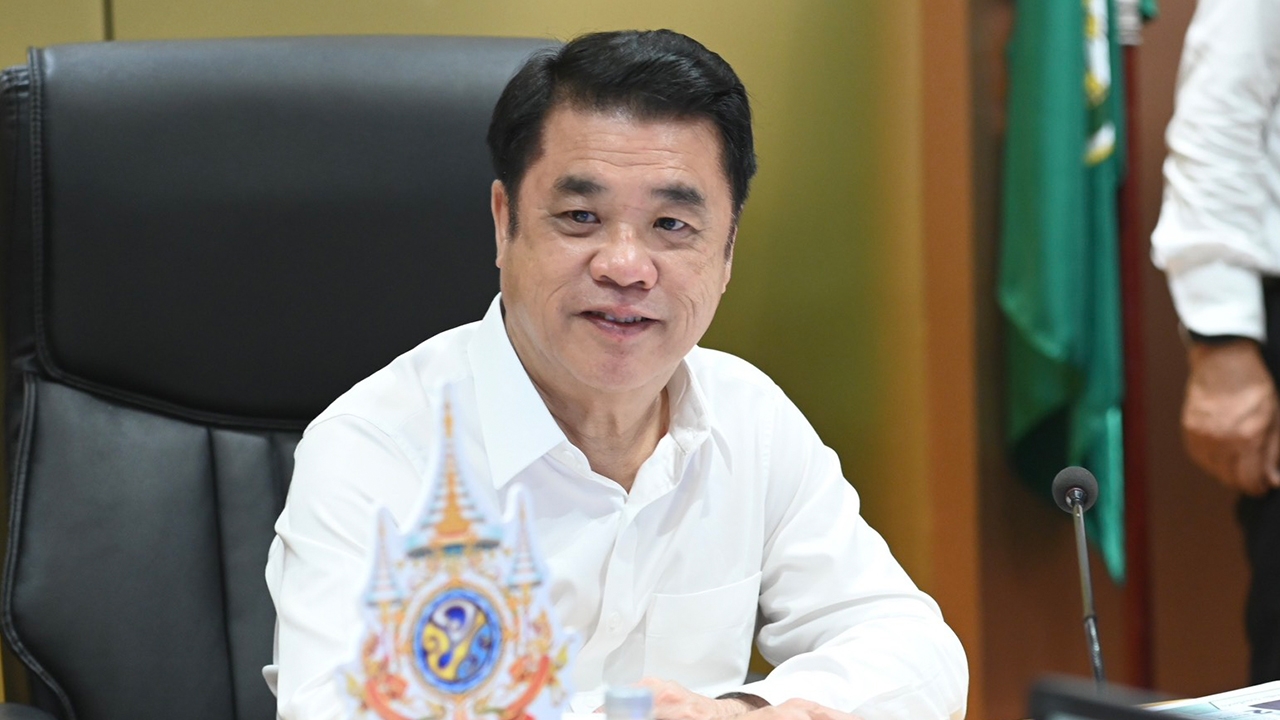
Mr. Suriya Jungrungreangkit, Minister of Agriculture and Cooperatives, stated that the Ministry of Agriculture and Cooperatives prioritizes supporting rice farmers, a key force in Thai agriculture. The government implemented the Management Cost and Product Quality Development Support Project for rice farmers for the 2024/25 production year, known as the 1,000 Baht per Rai support program, capped at 10 rai per household, to strengthen farmers' readiness for the production cycle.
This program aims to assist rice farmers by reducing cultivation expenses and promoting more cost-effective rice production. The criteria provide 1,000 baht per rai, up to 10 rai or a maximum of 10,000 baht per household. Evaluation shows the program disbursed support to 4.515 million households, or 99.98% of the target, totaling 36.716 billion baht and covering 36.71 million rai, demonstrating comprehensive reach to farmers.
Mr. Suriya added that the evaluation found the funds helped farmers acquire essential production inputs such as fertilizers, pesticides, soil preparation, and seeds, enabling better rice field management. Production costs decreased by an average of 463.02 baht per rai (12.22%), while rice yields increased by 79.29 kilograms per rai (16.85%). The value of rice production rose by 1,898.50 baht per rai (38.46%). Overall economic benefits, combining cost reductions and increased production value, totaled approximately 57.473 billion baht, about 1.57 times the program’s budget. These changes might also be influenced by factors like weather, market rice prices, and farmers’ management in each area.
“This evaluation reflects that government measures effectively enhance farmers’ liquidity comprehensively and help improve production management. The Ministry of Agriculture will use this data to develop measures that reduce costs, increase yields, and elevate the quality of Thai rice production, strengthening farmers in the future,” he said. Mr. Suriya said.

Meanwhile, Mr. Peeraphan Kothong, Secretary-General of the Office of Agricultural Economics (OAE) and Deputy Spokesperson of the Ministry of Agriculture and Cooperatives, added that the OAE, through its Evaluation Center and in collaboration with the Rice Department, surveyed 16,717 sample rice farming households registered for the 2024/25 first production cycle with the Department of Agricultural Extension. The overall evaluation found that 58.09% of households reported the program helped increase rice yields, and farmers expressed the highest level of satisfaction. This indicates the program effectively meets farmers’ needs and concretely reduces short-term production costs.
Mr. Peeraphan further stated that the OAE views the management system and fund disbursement via the Bank for Agriculture and Agricultural Cooperatives (BAAC) as efficient and highly accessible to farmers. He recommended maintaining this system while developing alternative channels for farmers with account limitations to ensure broader access to support.
Looking ahead, efforts should build upon seasonal cost assistance to improve long-term production efficiency, such as soil improvement, water system development, shared machinery use, and tailored guidelines for fund use according to local conditions. This would help government support sustainably reduce costs, increase incomes, and enhance the quality of rice production for farmers.
Read more news " Government Policies " here.