

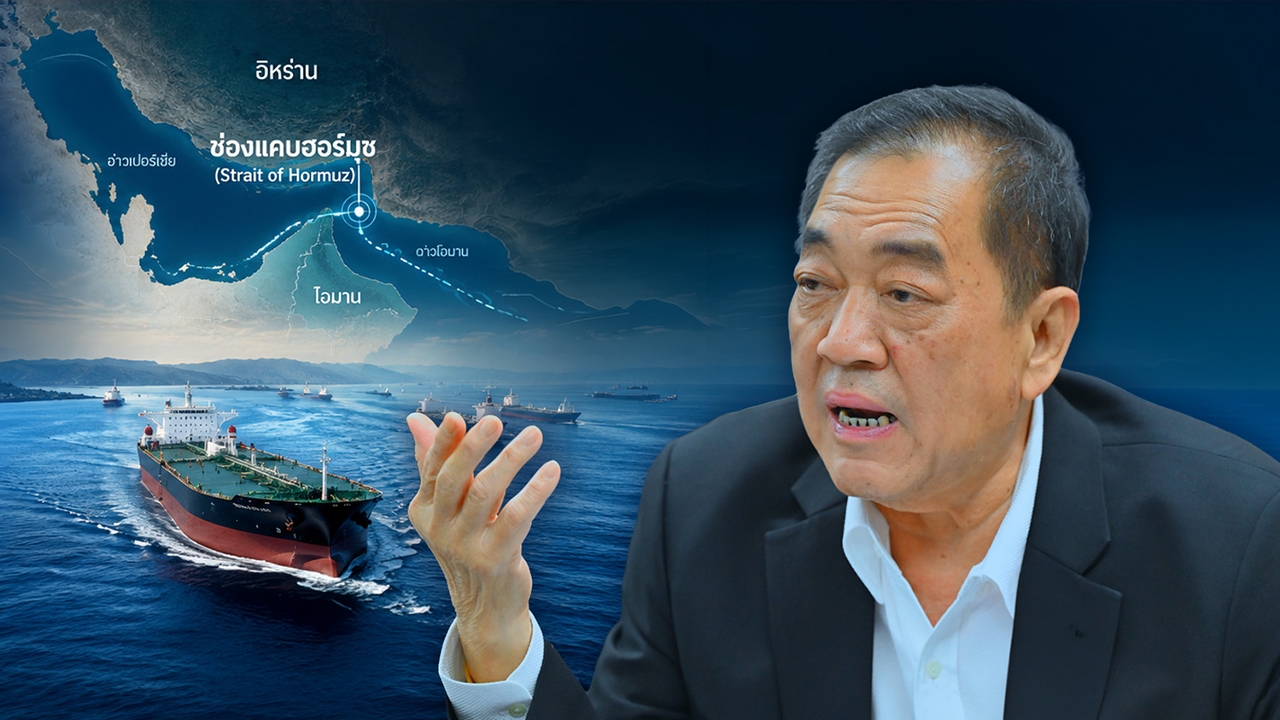
The Chamber of Commerce recommends monitoring the situation in the Strait of Hormuz and coordinating all sectors to help mitigate impacts and build confidence in trade, transportation, and the country's energy security.
15 Jul 2026 GMT+7 Dr. Phot Aramwattananon, Chairman of the Thai Chamber of Commerce and the Council of Thai Chambers of Commerce. He revealed that the situation around the Strait of Hormuz in the Middle East may become tense again due to conflicts between the United States and Iran that occurred from late June to early July 2026, shortly after both parties signed a ceasefire agreement (MOU) on 17 June 2026. This issue could impact transportation systems, especially maritime transport through Middle Eastern routes, causing volatility in freight rates and insurance costs, as well as a potential rise in energy prices and concerns over raw material sufficiency in manufacturing industries.
Representatives of shipping companies reported that they have prepared for the recent conflict situation by adjusting their routes. Currently, shipping lines are docking at Khor Fakkan port in the United Arab Emirates (UAE) and Salalah/Sohar ports in Oman instead of passing through the Strait of Hormuz. The routes through the Strait of Hormuz are continuously risk-assessed, resulting in very few vessels still passing through the strait.
Dr. Phot said that businesses should not panic but must closely monitor ongoing developments due to constant fluctuations and changes. He shared recommendations for operators to prepare and manage risks, including:
1. Continuously monitor the situation, especially energy prices, transportation costs, and logistics expenses.
2. Evaluate raw material and product stocks to ensure sufficient supply and prepare contingency plans for sourcing materials and goods in case of future shortages.
3. Coordinate with shipping lines and logistics providers to find the best transportation methods and routes through the Middle East with reasonable costs and expenses.
Dr. Phot emphasized that the Thai Chamber of Commerce and the Council of Thai Chambers of Commerce are ready to serve as intermediaries to listen to feedback from affected members. They will coordinate with government agencies, private sectors, and relevant parties to help resolve the Middle East conflict issues affecting Thailand this time, aiming to create tangible confidence in trade, transportation, and energy security, as demonstrated in past collaborations with the government through the Center for Management and Monitoring of the Middle East Conflict Situation (CMMS).
Read more news " Government Policy " here