

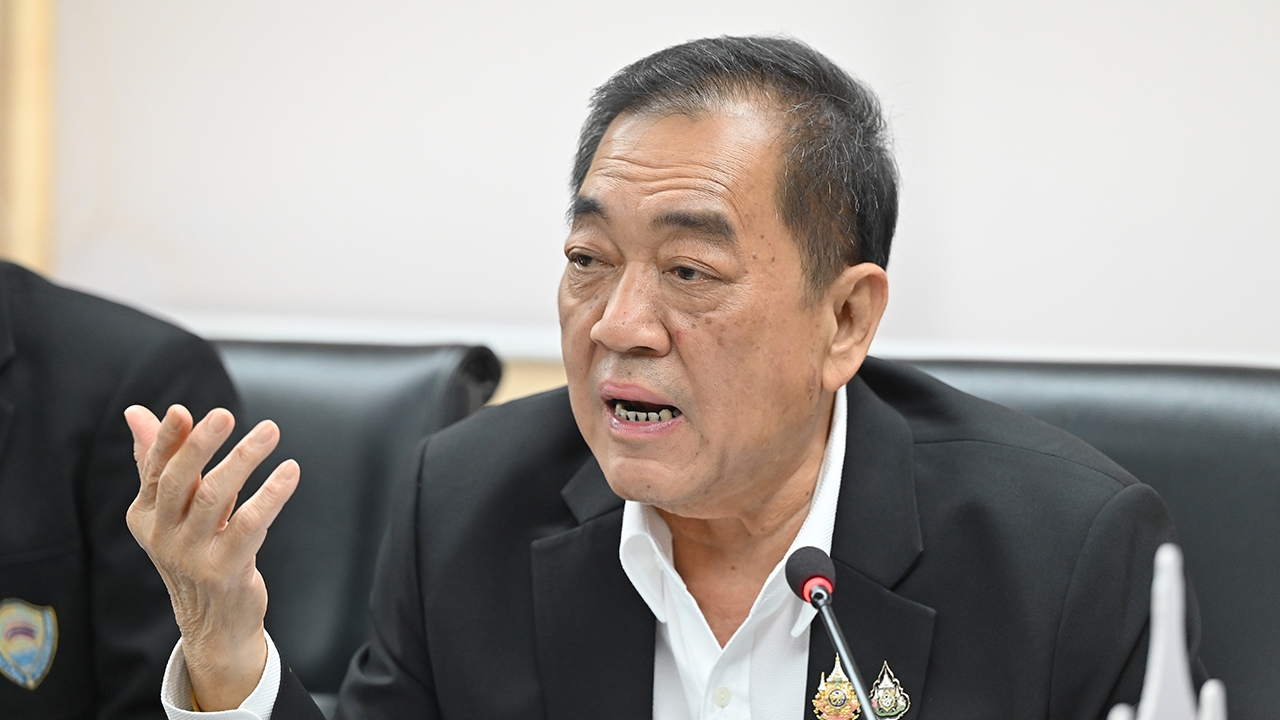
The Thai Chamber of Commerce believes Thai products can still compete in the U.S. market despite the 12.5% tariff over forced labor issues, as competitors face similar rates. It recommends accelerating ART negotiations and preparing for excess production capacity measures.
Mr. Phot Aramwattanon, Chairman of the Thai Chamber of Commerce and the Board of the Thai Chamber of Commerce. He revealed that the United States has announced tariffs under Section 301 on over 60 trading partner countries, at rates of 10% and 12.5%. Thailand is in the group facing a 12.5% tariff due to imports linked to forced labor.
Mr. Phot stated that although Thailand faces a 12.5% tariff, overall competitiveness of Thai products in the U.S. market remains similar to most competitors who are similarly affected. Countries with slightly lower tariffs, such as 10%, may have some advantage, but the difference is not as large as in previous tariff rounds. Therefore, it is not a significant negative factor impacting Thai businesses' competitiveness.
The Chairman of the Thai Chamber of Commerce further explained that the forced labor issue, which is central to the tariff imposition, is viewed by the private sector as not being a systemic problem in Thailand for a long time. However, it is essential to expedite the enforcement of relevant laws and measures clearly and concretely to build confidence among foreign partners and comply with international standards. This will help Thailand compete on par with countries exempted from tariffs in the future.
Besides forced labor, the Thai Chamber emphasizes another critical issue under Section 301 to watch closely: “excess production capacity.” Currently, U.S. authorities are reviewing details before potentially imposing additional tariffs, which may affect some Thai export products to the U.S. in the near future.
To address this, Thailand needs to expedite finalizing the Agreement on Reciprocal Trade (ART) to balance trade with the U.S., as previously prepared.
“The most important thing now is for government and private sectors to work closely together to prepare information and define negotiation positions with the U.S. to achieve mutually beneficial outcomes, including accelerating ART to reduce barriers and maintain Thailand's long-term competitiveness,” Mr. Phot said.
The Thai Chamber confirms its readiness to represent the private sector by gathering data, proposals, and impact assessments with businesses. It has collaborated with the University of the Thai Chamber of Commerce to produce academic summaries and surveys, which have been submitted to the Ministry of Commerce for careful use as references in international trade negotiations.
Mr. Phot concluded that Thailand should use this crisis as an opportunity to accelerate raising labor standards, supply chain transparency, and trade agreement negotiations to turn pressure into a chance to enhance the country's long-term competitiveness.
Read more news " Government Policy " additional