

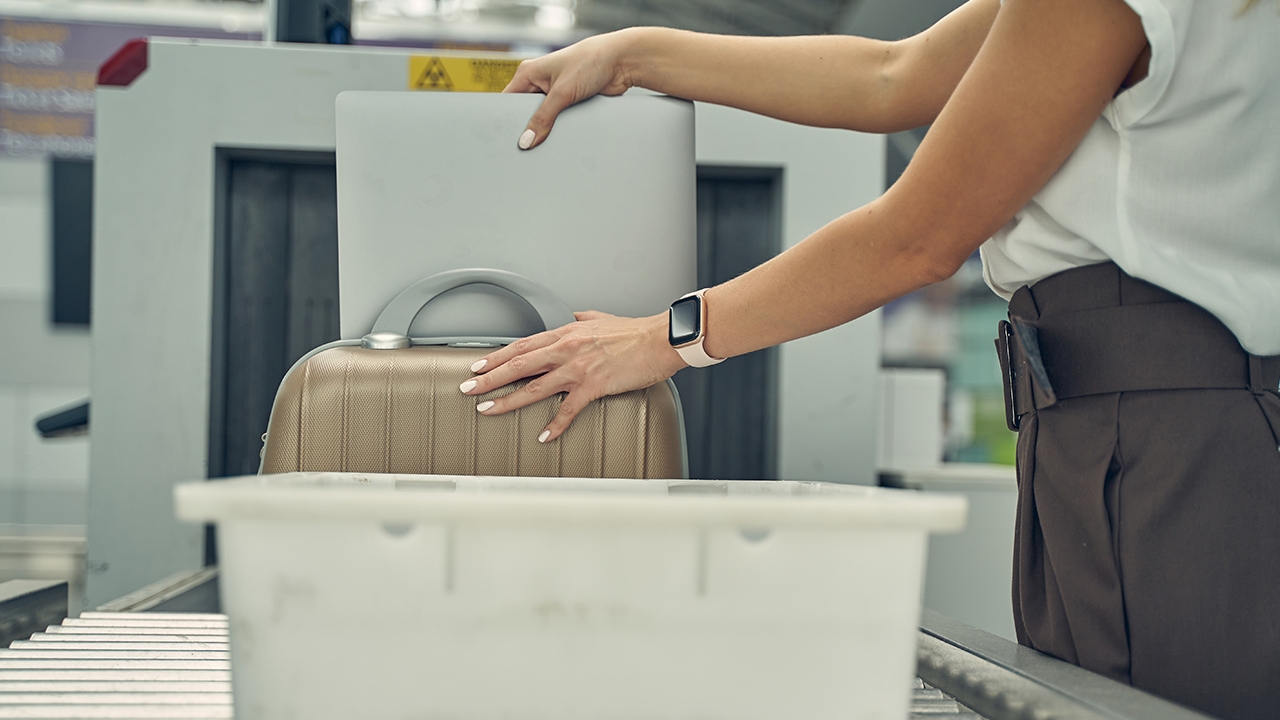
The Civil Aviation Authority of Thailand (CAAT) will enforce a new rule from 16 October 2026 to upgrade aviation security standards to international levels, allowing unannounced inspections of checked baggage only when suspicious items are detected, with documentation of every step. Passengers are advised to use TSA Locks.
The Civil Aviation Authority of Thailand (CAAT) clarified the enforcement of its announcement on the inspection of checked baggage to be loaded onto aircraft, effective from 16 October 2026. The authority emphasized that this measure upgrades aviation security in line with international standards and practices used worldwide. It stressed that baggage inspections will only occur when there is reasonable suspicion and will follow strict, traceable procedures.
Previously, CAAT updated aviation security laws to accommodate increasing passenger numbers and improve inspection efficiency. This announcement, published in February 2026, outlines that the new checked baggage inspection procedures will take effect on 16 October 2026, allowing airports, airlines, and related agencies time to prepare personnel, systems, and passenger communications before implementation.

CAAT explained that unannounced bag inspections will not be routine but only occur when x-ray machines detect suspicious or potentially dangerous items affecting aviation safety. Inspections will be performed in designated areas with photographic evidence and documentation of every step, enabling later verification of who conducted the inspection and what was found. Passengers will be informed afterward that their baggage was inspected following the established procedures.
This approach follows aviation security standards used in countries such as Singapore, Japan, South Korea, several Middle Eastern and European nations, and the United States. It aims to prevent dangerous items from being brought onto aircraft and to improve flight management efficiency by reducing delays caused by searching for baggage owners to open their bags before departure.
To assist passengers, CAAT recommends using internationally recognized baggage locks like TSA Locks, which can be opened by security personnel with special tools if necessary, preventing damage to luggage. Passengers should check prohibited or specially inspected items before traveling, as similar measures are applied at many airports worldwide. Additional inspections may occur in origin, transit, and destination countries. Carrying items that violate local laws may affect travel plans.
Passengers experiencing problems or damage due to these inspections can file complaints through their airline or directly with CAAT’s complaint system.https://complaint.caat.or.thThis allows CAAT to investigate facts according to procedures and take appropriate actions.
Read more news " State Policy "