

The Federation of Thai Industries (FTI) has proposed that the government support biofuels to reduce trade risks, improve SME liquidity, and help revive the Thai economy, while the industrial confidence index for July 2026 rose to 90.0.
On 19 Aug 2026 GMT+7, Mr. Panithan Pawarolanwitaya, Secretary-General of the Federation of Thai Industries (FTI), stated that the industrial confidence index for July 2026 stood at 90.0, up from 88.2 in June 2026. This increase was supported by continuous growth in the electric vehicle market.
Electric vehicle sales in the first half of 2026 rose by 93.07% compared to the same period last year, alongside accelerated domestic EV production to meet import compensation requirements, positively impacting the related industry supply chain.
Meanwhile, accelerated trade and investment negotiations with key partners such as the United States, the European Union, and China have helped open market opportunities and reduce trade barriers for Thai products. Exports of industrial goods like hard disk drives and components, as well as automotive parts, continue to expand in key markets such as the United States and Japan.
Additionally, measures to use excess refining margins to stabilize retail fuel prices—such as diesel B0, B7, and B20—led to a price reduction of 2.40 baht per liter from 24 July to 15 August 2026, helping ease living costs and short-term transportation expenses.
The 'Thai Help Thai Plus' scheme has also helped stimulate sales for small and medium-sized enterprises (SMEs), especially in consumer goods, food, and beverage sectors.
However, despite the improved industrial confidence, the sector faces risks, particularly the escalating conflict between the United States and Iran, which may increase oil prices, freight costs, and production expenses.
Mr. Panithan added that the imposition of a 12.5% import tariff on Thai goods under the U.S. Section 301 may raise export costs to the U.S. market going forward. Furthermore, delays in new public construction projects, especially large-scale ones, could pressure new orders for construction materials.
In tourism, visitor numbers declined by 3.1% compared to the same period last year, slowing purchasing power in tourist areas. Meanwhile, non-performing loans among SMEs rose to 9.5%, pressuring liquidity and business operational capacity.
A survey of 1,330 FTI members across 48 industry groups in July 2026 found decreased concerns about energy prices (53.2%), domestic economy (51.7%), exchange rates—especially exporters' views (25.1%), credit access (25.0%), and loan interest rates (21.4%). Increased concerns were noted for the global economy (62.1%) and government policies (34.6%).
The industrial confidence index forecast for the next three months stands at 96.1, up from 94.5 in June 2026, supported by hosting the IMF-World Bank meetings, which are expected to stimulate economic activity and enhance Thailand's international image.
Additionally, the average electricity rate for September–December 2026 will drop by 0.06 baht per unit to 3.89 baht per unit after the Energy Regulatory Commission removed public electricity expenses from the base rate, helping reduce production costs for businesses.
At the same time, the policy to open direct clean power purchase agreements (Direct PPA) will increase business access to clean energy and support the transition to a low-carbon economy.

Nonetheless, risks remain, especially the prolonged Middle East conflict, which could increase inflationary pressures this year. Exports to Middle Eastern markets are expected to contract, potentially pressuring manufacturing sectors such as automotive and parts, wood products, rubber products, and air conditioners.
Moreover, conditions on using the power grid, including a 4.5 million baht per megawatt guarantee requirement, may increase costs and limit private investment in clean energy projects going forward.
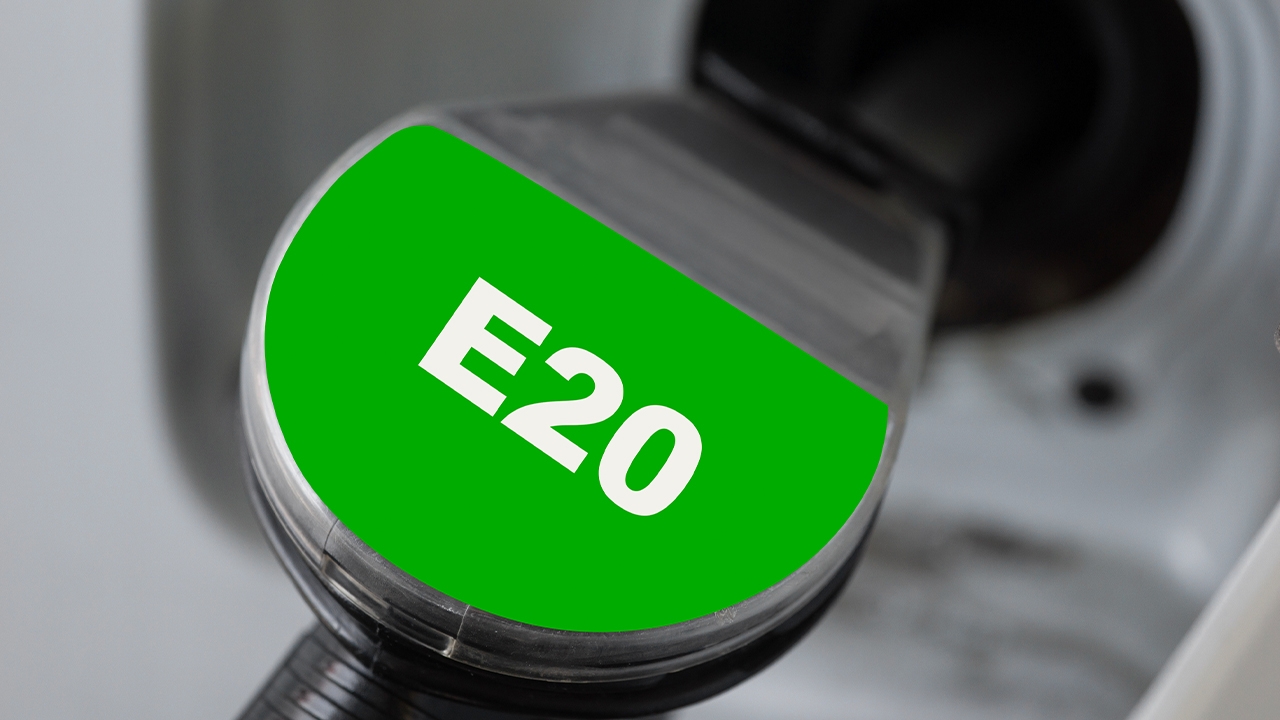
Proposal for government use of gasohol E20 and biodiesel B7–B20.
1. It is proposed that the government promote biofuels as strategic fuels by accelerating the adoption of gasohol E20 as the base fuel, encouraging biodiesel B7–B20 production in the transport sector, and sustainable aviation fuel (SAF) to reduce reliance on imported oil and add value to domestic agricultural raw materials.
2. It is proposed that the government enhance traceability systems across the supply chain while strengthening controls on imports produced with forced labor and supporting SMEs to adapt to international standards to reduce risks from U.S. Section 301 trade measures.
3. It is proposed that the government expedite SME access to financing through supply chain financing mechanisms, coupled with incentives for large companies to participate in peer-support programs and support low-interest loans (soft loans) to improve SME credit access within the supply chain.