

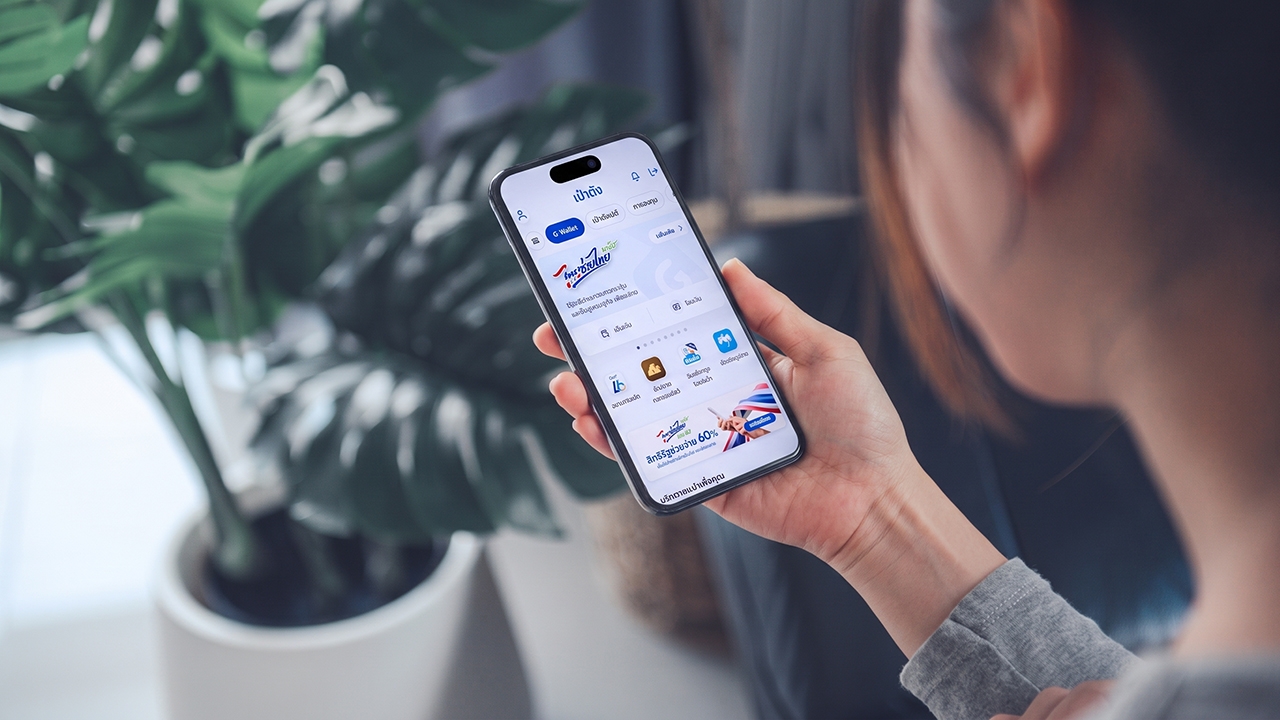
ONPEC released survey results on the "Thai Chuey Thai Plus" project, finding that over 71% of the public used their rights. The survey highlights the project's role in easing living costs and boosting the local economy, although some still faced problems with registration and the application.
Mr. Nanthapong Jiralertpong, Director of the Office of Trade Policy and Strategy (ONPEC). He disclosed survey results from July 2023, covering 5,465 people nationwide, regarding the Thai Chuey Thai Plus (60/40) program. ONPEC stated that most people participated and used their rights, seeing the program as helping reduce expenses, encouraging more confident spending, and promoting purchases of goods and services from community stores. After the program ended, most consumers tended to continue buying from the same participating stores.
Of the respondents, 71.77% joined and used their rights, while 28.23% did not participate due to registration failures, lack of smartphones, broken phones, inability to download or use the application, failure to verify identity or facial scans, and lack of understanding of the application and usage steps.

Among those who received benefits, most focused on purchasing essential goods and services for daily living, categorized as follows:
Ready-to-eat meals such as rice with curry, noodles, and instant food.
Fresh food and cooking ingredients including rice, meat, vegetables, fresh fruits, cooking oil, fish sauce, and sugar.
Consumer products, daily necessities, household items, and food ordered via delivery services.
Mr. Nanthapong further explained that the program encouraged more confident spending and improved financial flexibility. The survey found that 36.96% spent more confidently; 24.50% used leftover funds for other necessary expenses; 23% increased purchases in community or local shops. Others saved money, paid debts, chose higher-quality goods, and reduced borrowing or credit card use. After the program ended on 30 Sep 2023, most returned to their usual stores.
“The survey found most respondents saw the program as moderately to significantly reducing living costs, though some felt it helped little or not at all. Comparing prices during and outside the program, most said prices and quantities remained the same, while some noted price increases and smaller quantities. After the program ended, most maintained similar spending levels. Regarding the economy, most viewed it as stable or slightly improved and remained cautious with their spending.”
Mr. Nanthapong added that the survey reflects the Thai Chuey Thai Plus (60/40) program’s role in easing living expenses, boosting purchasing power, and increasing household liquidity, especially on food and necessary items. This allowed people to use saved money for other purposes such as saving and debt repayment. Most could buy products at prices and quantities close to normal and benefited from government co-payments, reducing their own financial burden.
At the same time, the program stimulated spending through small shops, community stores, and local entrepreneurs, opening opportunities for stores to reach new customers, retain existing ones, and generate ongoing income after the program ended. However, some people still faced limitations related to eligibility, registration procedures, and technology use.
Read more news " Government Policy " here.