

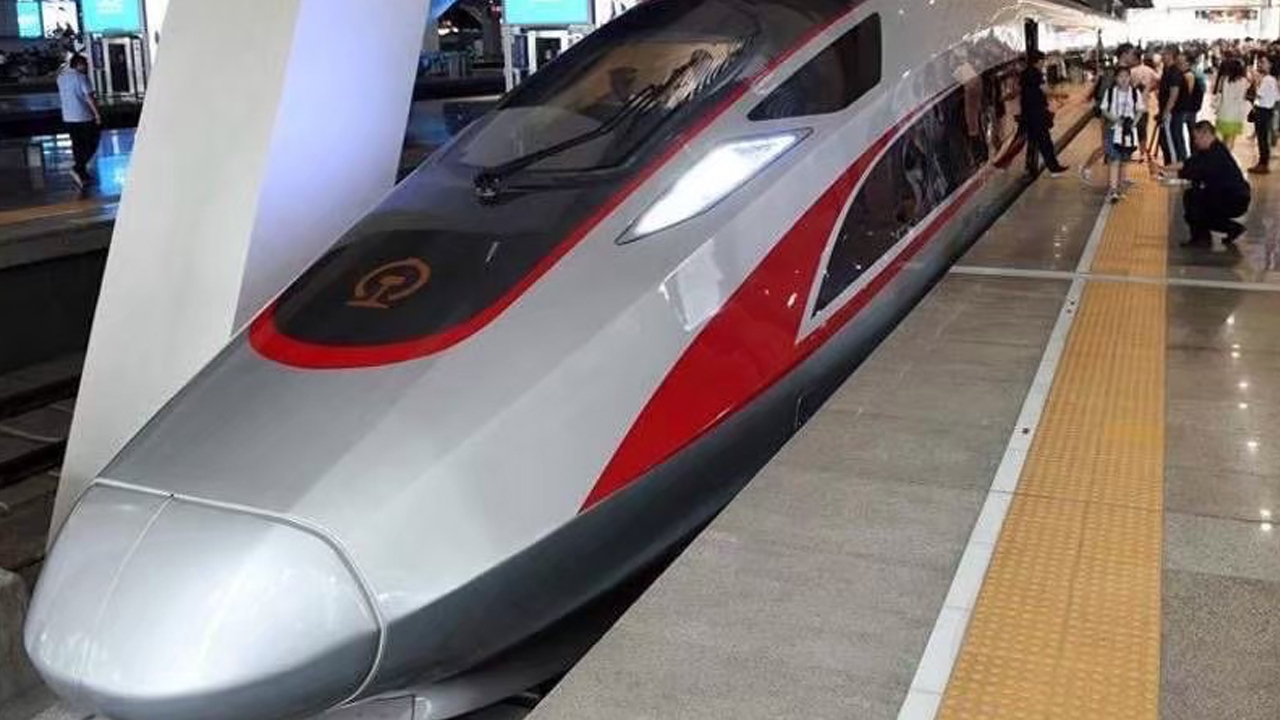
CP Group sent a letter to the State Railway of Thailand (SRT) confirming its request to terminate the high-speed rail contract connecting 3 airports and to cease Airport Rail Link operations by 30 Sep. The Ministry of Transport emphasized that unilateral termination is not allowed and scheduled urgent talks on 27 Aug.

Mr. Siripong Angkasukolkit, Deputy Minister of Transport, revealed thatin the past 1–2 days,Asia Era One Company(a subsidiary of CP Group)which is the private contractor for the high-speed rail projectconnecting 3 airports,has sent a letter to the State Railwayof Thailand (SRT)to confirm the exercise of theirrightsto terminate the contract under its terms, including cancellation of the management and operation agreement for the Airport Rail Link (ARL), with operations to end on 30September.Regarding this, the SRT disagrees with the contract termination and is currently inviting the company for discussions to find a suitable solution. Previously, the government requested the private firm to reconsider withdrawing their earlier termination letter.
"Era Onehas sent a letter requesting contract termination to the SRT. Initially, the SRT did not agree to this termination and attempted to persuade the private company to withdraw the termination letter, but the company sent another letter 1–2 days ago reaffirming their intention to terminate the contract, citing it as a means to preservetheir rights,although the wording clearly indicates their desire to end the contract and not continue," Mr.Siripongsaid.
The letter serves as a notification of intent and preservation ofthe private firm's rights,making clear their wish to terminate the contract. However, legally, this letter does not immediately end the contract because joint venture contract termination requires specific conditions and steps to be fully completed. The main legal grounds for contract termination include four cases:
Therefore, the private company's unilateral intention to terminate the contract does not immediately end it, and the SRT must continue negotiations and contract management within the relevant authority framework.
"Currently, we cannot proceed with contract termination because the SRT still has duties to negotiate and manage the contract to keep operations ongoing, seeking solutions that benefit the public and protect state interests,"Mr. Siripong said.
Meanwhile, the Ministry of Transport and SRT are considering urgent issues needing resolution despite ongoing 3-airport contract negotiations. Two key points require prompt action. The first concerns Asia Era One's indication to stop Airport Rail Link operations,which related agencies have prepared for and are capable of continuing operations. However, practically, the SRT believes it is best if the private firm continues operations during negotiations to ensure uninterrupted public service..
Mr. Siripong said that on 27Aug 2026,the SRT will meet with the private company to discuss this issue, aiming to request continued operations sincethe rightsto operate the Airport Rail Linkremain part of the binding contract. It is necessary to clarify with the contractor before taking any action. If the company cannot or refuses to continue, the government must find another operator to prevent public impact, possibly considering state agencies or other qualified private firms to handle operations and maintenance during the transition, all under legal and contractual frameworks..
"If the private firm stops operating, we must find others to run the service because ultimately the public is affected. What we are doing now is negotiating with the company to continue operations to protect public interest and comply with contract conditions. If the company stops operations without contractual grounds, breaches may lead to penalties, damages, or disputes possibly resulting in legal action. Therefore, careful consideration and legal procedures are essential to protect state interests,"Mr. Siripong said.
The second issue is the urgent acceleration of the Thai-Chinese high-speed rail project, especially parts related to the 3-airport high-speed rail contract. Although the Thai-Chinese project has been underway for about 10 years, some parts still require expedited work, particularly contract 4-1 covering the Bangkok-Pathum Thani (Krung Thep Aphiwat - Ayutthaya) section and Airport Rail Link segments crucial for network connectivity.
Additionally, the Red Line suburban rail 'Missing Link' between Bang Sue and Hua Lamphong near Ramathibodi Hospital is another critical segment needing urgent progress to allow the Thai-Chinese high-speed rail project to move forward continuously. The SRT has been assigned to discuss with existing contractors the possibility of contract restructuring, especially separating or reducing some work portions to proceed first to avoid delaying urgent project parts pending 3-airport contract negotiations.
"If the private company stops operations, to avoid public impact, we must find someone to operate the trains, but that does not mean we tell the company to stop. We are negotiating for them to continue to protect public benefits and comply with contract terms. We expectto reach conclusions on 27 Aug,which will guide next steps. The main goal is to keep the project progressing, protect state interests, and avoid public disruption,"Mr. Siripong said.
Read more news on " Government Policy "