

ITD proposes to the data center board adopting the Sustainable Data Center model used in Singapore and Malaysia, enforcing strict controls over water, electricity, and environmental factors, aiming to create added value for Thailand's economy while unveiling four significant research projects to advance the country's sustainability.
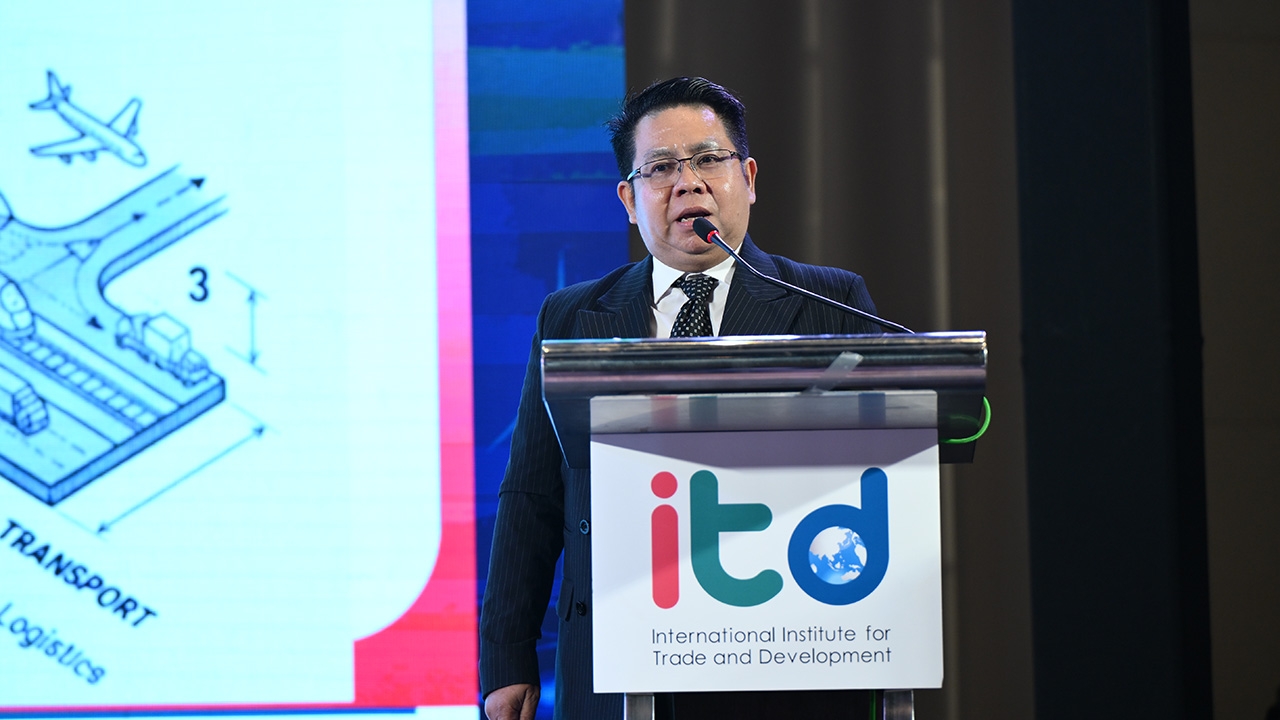
Mr. Wimon Pankong, Deputy Director (Academic) of the International Institute for Trade and Development (Public Organization), or ITD, revealed at the ITD Research Forum 2026 “Connectivity X Sustainability” held at the Eastin Grand Hotel Phayathai that ITD has published four key research works for 2026, including:
1. Guidelines for Thailand and ASEAN to adapt to the trends of the digital and green economy, particularly the establishment of Sustainable Data Centers.
2. Integration of Thailand’s rail system into Asia’s logistics network to enhance competitiveness within regional supply chains.
3. Development of Thailand’s agricultural value chains to support sustainable consumption trends in the global market through Traceability systems.
4. Utilization of international agreements to develop Thailand’s Special Economic Zones (SEZs), enabling all sectors to apply these benefits in setting directions, driving progress, and addressing structural economic challenges concretely. These studies will be submitted to relevant agencies for consideration and implementation, possibly including the Data Center Operations Policy Committee.

Regarding the results, the economic study on establishing and developing Sustainable Data Centers in Thailand and ASEAN, shows that according to the International Energy Agency (IEA), the installed capacity of data centers worldwide for data processing and storage was 114 gigawatts in 2025 and is expected to rise to 277 gigawatts by 2035. Meanwhile, energy and resource consumption is intensive. Thailand must consider long-term sustainability, including creating domestic added value, involvement of Thai operators, employment, responsible resource use, and transparent governance, similar to Singapore and Malaysia’s stringent controls over resources like water and electricity.
“The research recommends Thailand accelerate the enhancement of sustainability requirements, develop a publicly accessible Data Center database to increase transparency and accountability. The government’s establishment of a dedicated oversight committee is a step in the right direction to regulate this business, especially environmentally, as it consumes substantial resources such as water and electricity and generates significant heat. Efficient environmental management is crucial, including conducting Environmental Impact Assessments (EIA) before construction—an area where Thailand currently lacks clear regulations—and utilizing the released heat. Importantly, the benefits from investors should be further leveraged, including knowledge transfer to Thai people.”
As for the study results, “Traceability to upgrade Thailand’s agricultural products sustainably,” it found that Thailand still faces limitations as the traceability system operates in silos with data that are not fully interconnected or exchangeable. The research suggests developing a central data standard, integrating data across agencies, and establishing clear legal frameworks and regulatory mechanisms to enhance the credibility of Thai products in global markets. Meanwhile, the study on “Integration of Thailand’s rail system into Asia’s logistics network” recommends developing the rail system alongside reducing transport costs by focusing on promoting an integrated logistics ecosystem that supports inclusive growth, spreading trade and investment income to local areas served by rail lines to boost the national economy and grow together with neighboring countries.
Finally, the study on utilizing international agreements, proposes shifting Thailand’s economic corridors from merely production or assembly bases to owning added value in upstream activities such as research, development, and design, as well as downstream activities like branding and marketing. It also suggests spatial tools like an FTA Clinic to help operators practically use trade benefits, including matchmaking between large corporations and SMEs, and developing logistics infrastructure.
Read more news " State Policy " here.