

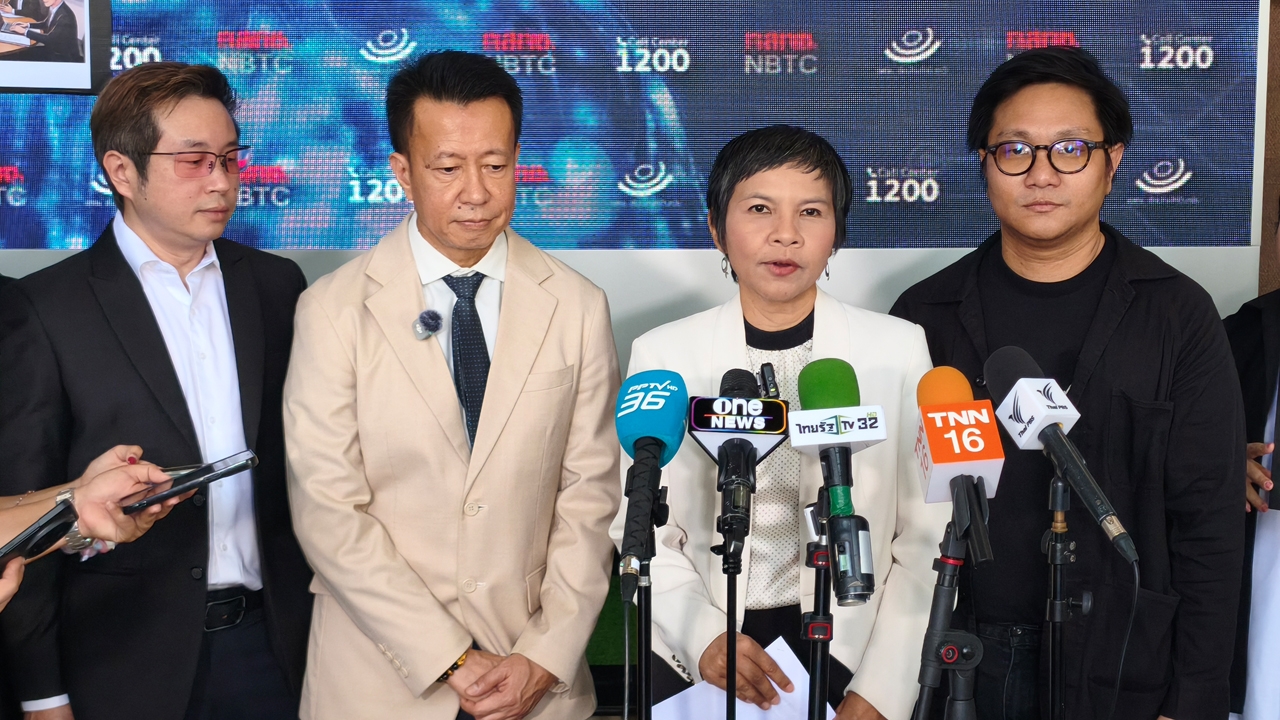
The NBTC board failed for the ninth consecutive time after three members refused to attend, citing the chairman’s suspension. The Consumer Council and Digital TV Association submitted a letter urging urgent resolution of 148 pending agenda items.
Today, 9 Sep 2026 GMT+7, the Office of the National Broadcasting and Telecommunications Commission (NBTC) announced the postponement of the 25/2026 board meeting to 10 Sep at 09:00 after failing to convene due to an insufficient number of members present. This marks the ninth consecutive NBTC meeting failure.

Reports stated that only Professor Dr. Saran Boonbaichaiyapruek, NBTC chairman, Mr. Torpong Selanont, and Police General Dr. Nattthorn Phorsunthorn attended via online. Associate Professor Dr. Sompop Purivikrayapong submitted a leave letter. The other three members—Professor Emeritus Dr. Pirongrong Ramasut, Air Vice Marshal Dr. Thanaphan Raichaeroen, and Associate Professor Dr. Supatch Supachalasai—did not attend. After waiting 30 minutes past the scheduled time, the meeting was postponed under meeting regulation Article 28.

The three absent members explained to the media that they refused to participate because the process was legally improper. The chairman was suspended by court order, making the meeting called by him unlawful. The Supreme Administrative Court clarified that the remaining members may continue their duties to avoid harm. They had previously requested meetings only with the remaining board members, but the administration refused, citing administrative regulations.
Before the morning meeting, Ms. Supinya Klangnarong, Chair of the Communication, Telecommunications, and IT Subcommittee of the Consumer Council, along with representatives from the Digital Television Association (Thailand) and the Committee for Democracy Promotion (CDP), submitted a letter to the NBTC acting secretary-general. They demanded Professor Dr. Saran temporarily suspend his duties to allow the six remaining members to promptly convene and address over 148 pending agenda items.
Ms. Supinya revealed that the NBTC is currently in a vacuum, affecting the future of the digital TV, free TV, and telecommunications network industries. She emphasized that, by international standards, if more than four members remain, they can convene and elect an interim chairman to proceed with work.

Meanwhile, the Digital Television Association representative expressed concern that digital TV operating licenses will expire in 2029. Without a clear roadmap due to internal organizational issues, this will directly impact investment decisions, content production, and the country’s long-term communication security.
Mr. Metha Maskao from the CDP pointed out that the six remaining members have the legal authority to elect an interim chairman to hold meetings and push forward pending work immediately. The NBTC office must seriously facilitate this process and should no longer use ongoing court cases as an excuse to paralyze the organization.
."},{ Government Policy Additional