

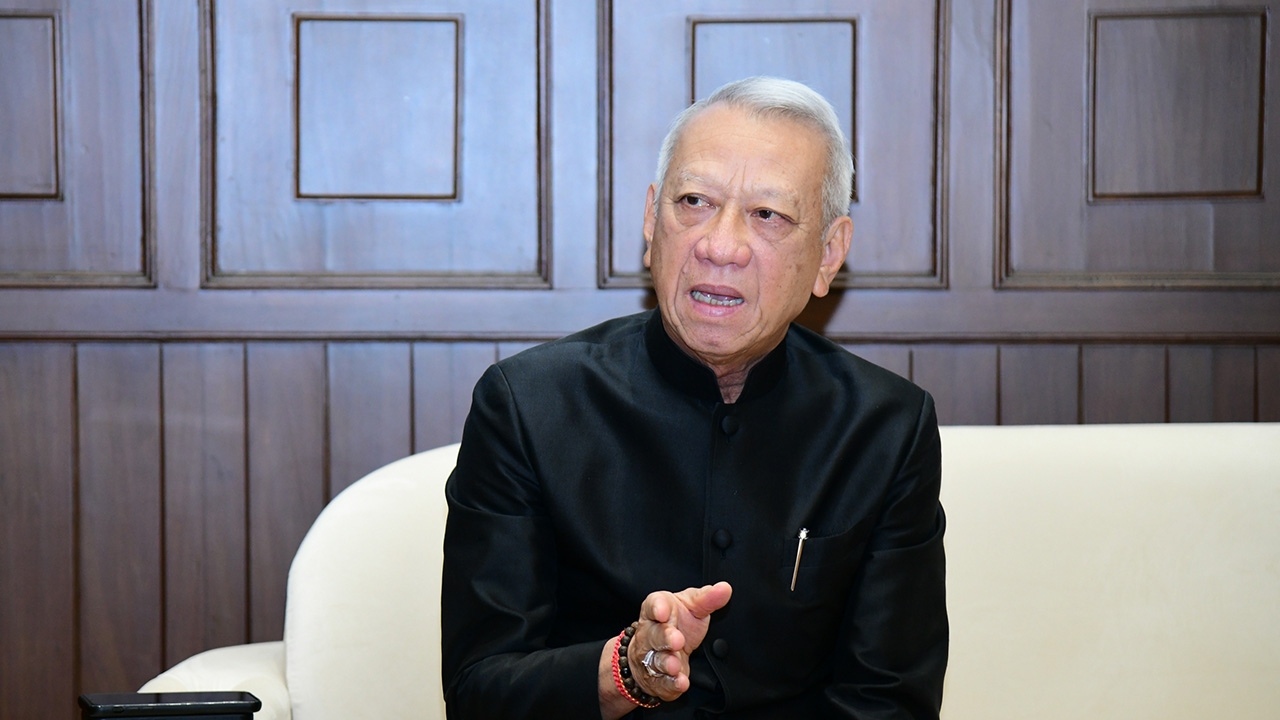
The Ministry of Transport is in discussions with Thai Vietjet to expand its fleet to 50 aircraft within two years, promoting the Sky Connect project for long-distance baggage check-in from secondary cities, supporting Hat Yai as a center for Medical Tourism and community-based tourism.
Mr. Phiphat Ratchakitprakarn, Deputy Prime Minister and Minister of Transport, said after meeting with Thai Vietjet Air Joint Stock Company to discuss operational and aviation business development on the airline's 10th anniversary. The discussions covered fleet expansion, international routes, aviation business development, and promoting Thai tourism, aiming to increase travel options for the public, attract international tourists, and distribute travel and income from major cities to secondary cities and communities.

Thai Vietjet plans to add Boeing 737 aircraft to its fleet, targeting 25 planes by the end of 2026 and 50 within two years to support route expansion, focusing on tourists from China, Vietnam, Japan, as well as Russia and Kazakhstan. Mr. Phiphat also proposed studying the feasibility of opening a route to Medan, Indonesia, to connect with southern Thailand and enhance Medical Tourism potential, especially in Hat Yai District, Songkhla Province, which has capable public and private hospitals serving international patients.
Additionally, the airline is negotiating a Code Share partnership with Ezy Airlines to connect Hat Yai-Betong and Hat Yai-Phuket routes. Meanwhile, the Sky Connect project facilitates passengers from secondary cities to international destinations by offering check-in and through-baggage services. Currently, this service operates at Udon Thani Airport, connecting via Bangkok to Japan, Taiwan, and Vietnam, with plans to expand to Khon Kaen and Hat Yai airports.

Mr. Phiphat said, the Sky Connect project is an approach that reduces steps and increases convenience for travelers from provincial areas. It also opens opportunities for Thailand's secondary cities to connect more directly with international markets without starting travel from Bangkok alone. This helps distribute tourists, income, and economic activities more broadly across regions.

However, the Ministry of Transport sees that aviation route development must proceed alongside land infrastructure development to create an integrated travel network. For example, the Songkhla Lake bridge project connecting Songkhla and Phatthalung provinces will improve travel efficiency and open development opportunities around the lake area, covering 15 districts and 142 local administrative organizations across three provinces: Songkhla, Phatthalung, and Nakhon Si Thammarat.
When the road, bridge, and aviation networks connect, tourists will access attractions and communities more easily. Mr. Phiphat therefore proposed that businesses develop local identities and specialties alongside travel, such as community products, local foods, and famous ingredients from Songkhla Lake, especially the "Three-Water Shrimp," so tourists' spending will benefit local entrepreneurs and communities concretely.
Read more news " State Policy "