

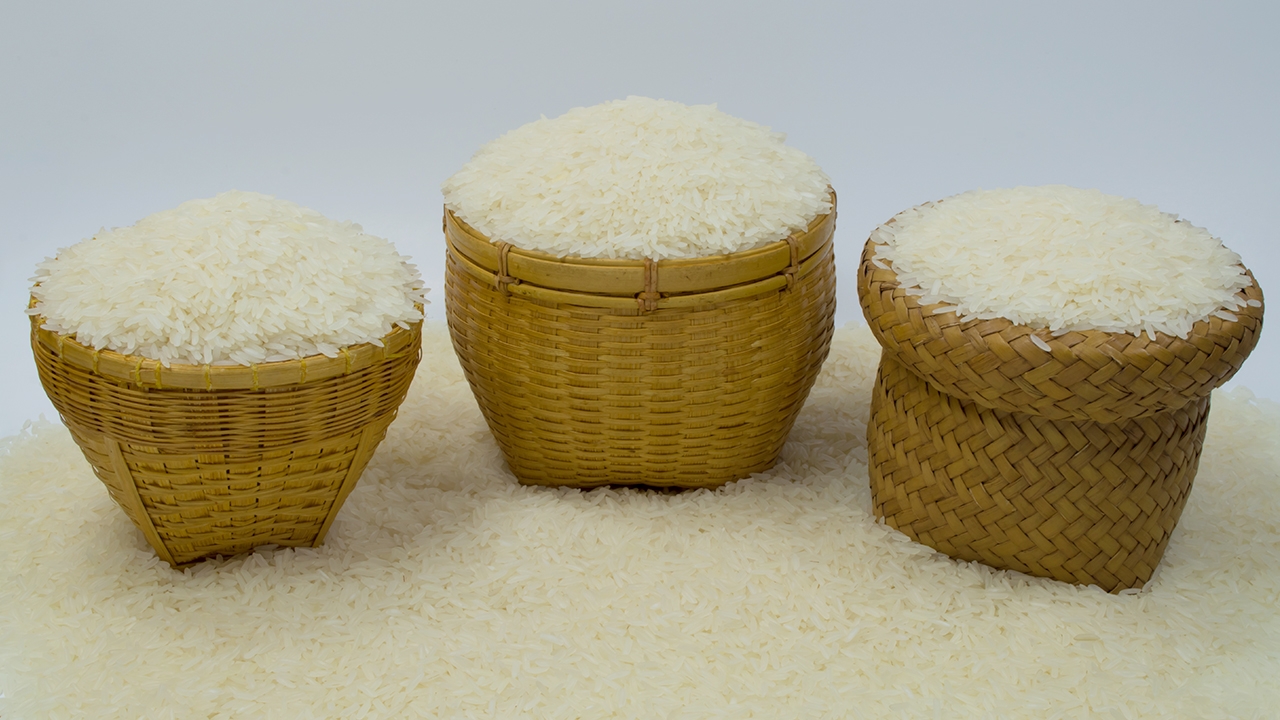
Thai rice exports in the first nine months of 2026 plunged 19.26%, hit by the Middle East war's impact. The Commerce Ministry is rushing to tackle the situation by targeting the Philippines and Malaysia markets for support, setting a 2027 export goal of 7 million tons, noting the need to address high costs.
Mr. Poonpong Nainapakorn, Permanent Secretary of the Ministry of Commerce, revealed after discussions on Thai rice export conditions with the Thai Rice Exporters Association that exports from January to September 2026 reached 4.99 million tons, down 19.26%, valued at 2.962 billion US dollars or about 94.912 billion baht, a 16.84% decrease from the same period last year. Although overall export prices fell, the average export price per ton increased, with 5% white rice averaging 482 dollars per ton in September 2026, up 28.88% from September 2025’s 374 dollars per ton.

“Thai rice exports in 2026 face pressure from abundant Indian rice production and high stock levels, with Pakistani rice entering the market late in the year, intensifying competition. Exports to Iraq have sharply declined since early this year due to Middle East tensions. Although some shipments have shifted through Turkey, volumes remain low due to increased transport costs. However, imports from the Philippines and Malaysia have risen to mitigate risks from El Niño effects and enhance food security, partially offsetting the Iraqi market losses.”
The Association reported a shortage of port laborers for cargo handling and requested the Ministry of Commerce’s assistance in coordinating with the Ministry of Labor to source suitable workers. The Ministry of Commerce has already contacted the Ministry of Labor. Managing upstream processes is crucial; if selling prices remain reasonable with profits, exports can increase, benefiting farmers’ rice prices. Conversely, reduced exports will leave more rice domestically, affecting local prices as well.

Mr. Poonpong said the Commerce Ministry, responsible for marketing, has announced aggressive plans to boost rice exports by collaborating with the private sector to meet Philippine import authorities to discuss extending export license periods and encourage importing Thai rice. Currently, the new rice season’s harvest aligns with Philippine market preferences for new rice. Early in 2027, the Department of Foreign Trade plans meetings with major importers in Japan and South Africa to build confidence and maintain Thai rice markets based on quality and reliable contract fulfillment.
Additionally, plans include organizing an international rice conference to support trade negotiations between Thai rice exporters and global importers, accelerating state-to-state rice trade deals, and promoting Thai rice while linking Thai businesses with international rice importers at trade fairs.
“For 2027, Thai rice exports are expected to face similar challenges as in 2026. Initially, the target remains at 7 million tons, but by year-end, the Department of Foreign Trade will consult with the Thai Rice Exporters Association to reassess El Niño conditions and Middle East conflicts to set clearer goals.”

. Mr. Chukiat Opaswong, Honorary President of the Thai Rice Exporters Association, said the current problem for Thai rice is its higher price compared to competitors, caused by farmers’ high cultivation costs and much lower yields per rai than other countries. He urged the government to support upstream, especially by developing new rice varieties with higher yields that meet market demand and by changing cultivation methods, which would help achieve reasonable prices and improve global competitiveness.
Read more news " State policy " Additional