

The Department of Internal Trade acknowledged diesel prices exceeding 43 baht, pushing transportation costs higher. It warned operators against opportunistic price hikes and added 17 urgent items to the sensitive list for daily price and market condition monitoring.
The Department of Internal Trade acknowledged diesel prices surpassing 43 baht per liter, which increased transportation costs. However, transport operators have restructured their operations to reduce costs, and the department stressed this is not a valid reason for product price increases. It added several products to the sensitive list for daily monitoring to promptly address issues and noted that flood-affected vegetable prices have started to decline.
On 22 Oct 2026 GMT+7, Wathanasak Suaeam, Director-General of the Department of Internal Trade, disclosed that diesel prices have steadily risen to 43.54 baht per liter. He acknowledged that energy price volatility directly impacts transportation costs, as diesel accounts for up to 40% of transport cost structures.

Nevertheless, the Department of Internal Trade affirmed it will monitor closely to prevent operators from exploiting the situation by raising product prices citing transportation costs. Transport and logistics operators have adapted by improving management systems, such as increasing cargo loads per trip to reduce average costs, effectively mitigating impacts on end-product prices.
The Department of Internal Trade has thoroughly examined the cost structures and prices of all products to implement suitable management measures. It follows the principle of balancing interests among farmers, producers, and consumers to maintain reasonable prices and sufficient supply for public demand.
To prevent opportunism and shortages, the Department of Internal Trade upgraded the monitoring system covering 242 essential goods and services by selecting 17 especially sensitive products for the Sensitive List (SL) to track prices and trade conditions daily, including:
Additionally, monitoring frequency has increased for six items on the Priority Watch List (PWL), including ready-to-eat foods, powdered milk, pesticides, hot-rolled steel sheets, vacuum cleaners, and air purifiers. The department also urged operators to help stabilize prices alongside the Thai Help Thai project to reduce living costs for flood-affected populations.
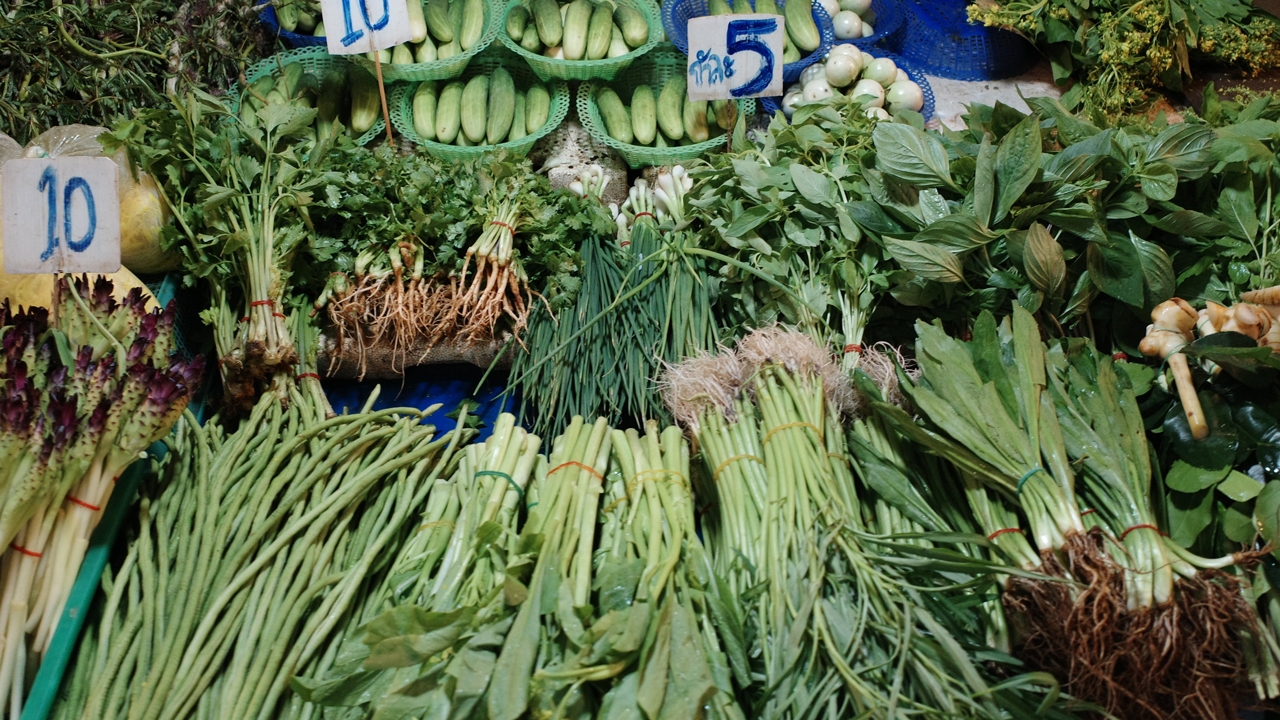
Currently, consumer goods prices in the market show fresh vegetable prices, which were affected by floods, have started to fall as more produce enters the market, such as:
Meanwhile, pork and egg prices remain stable, with farm-gate pork at 68.20 baht per kilogram and mixed eggs at 4.00 baht each. Palm oil in bottled packaging averages 51.45 baht per bottle, consistent with fresh palm fruit costs of 8.05 baht per kilogram and crude palm oil at 39.88 baht per kilogram.
Read more news " State Policy "