

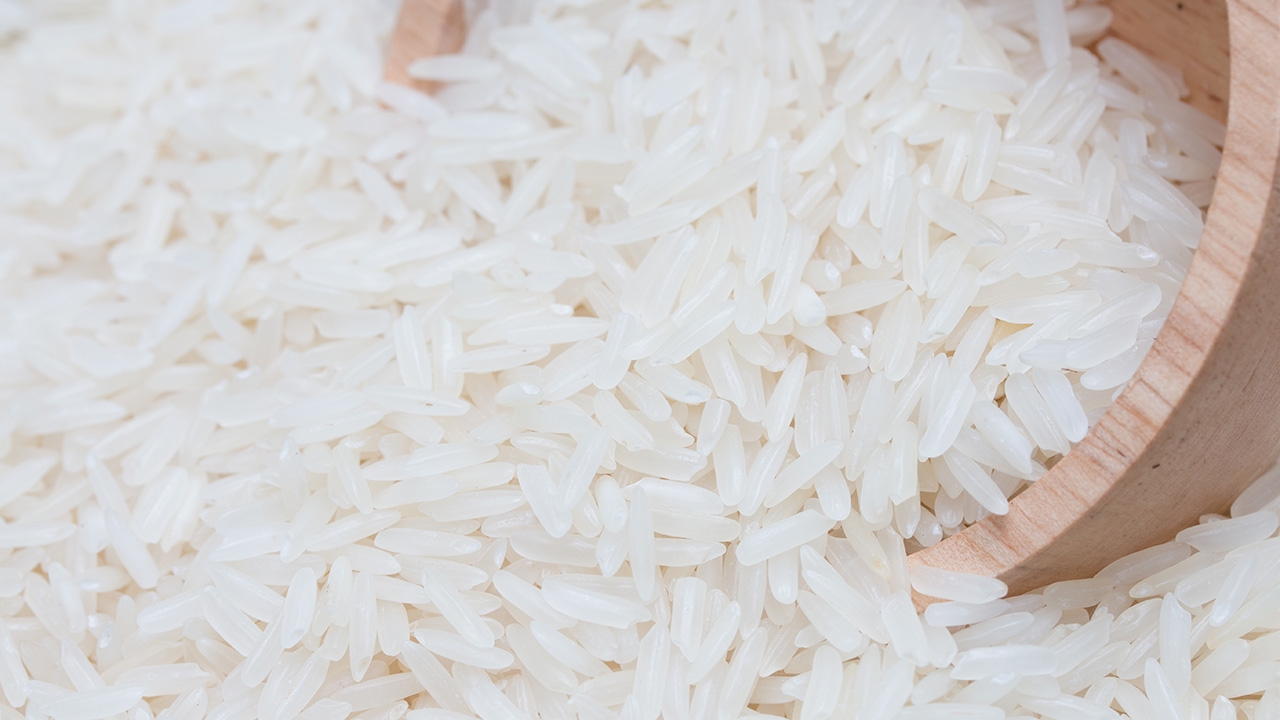
Thai rice prices are in a good range, satisfying the rice industry. Supachai has instructed the Commerce and Agriculture Ministries to reduce costs, increase yield per rai, and boost farmers' income, while pushing forward to expand export markets to meet the soaring global food demand.
Ms. Supachai Suthamphand, Deputy Prime Minister and Minister of Commerce, revealed after chairing the first meeting of the National Rice Policy and Management Subcommittee on Marketing (session 1/2026) on 13 Nov 2026, to monitor rice prices and exports and measures to stabilize prices for all types of rice, that the overall rice market situation, including prices and exports, was discussed along with measures to maintain price stability. Currently, rice prices are at a good level and likely to satisfy farmers.
However, regarding rice, the entire system must be managed. The meeting focused on the downstream aspects—sales and price management—benefiting consumers, millers, and farmers alike to ensure the best income for all. But cost issues cannot be overlooked. She tasked the Ministry of Agriculture and Cooperatives to manage factors such as seeds, yield per rai, quality, moisture, oil content, and fertilizer, especially expanding the fertilizer custom-order project to reach more farmers. Managing both prices and costs will help farmers earn sufficient income for their livelihoods.

“Although rice prices are good, we must also focus on reducing production costs and increasing yield per rai, which are key factors to boosting farmers’ net income. I have assigned the Ministry of Agriculture and Cooperatives to carry this out. The issues discussed will be compiled and presented to the National Rice Policy and Management Committee as soon as possible, aiming for the end of this month or early next month, to prepare ongoing support measures for the 2027 production season.”
. Mr. Chaiwit Buangam, a member of the National Farmers Council, said the current rice price situation is satisfactory for farmers, considering production costs and selling prices. Farmers can still manage, but he urged the government to prioritize reducing production costs, especially increasing yield per rai and developing quality rice seeds to help lower costs and increase farmers’ income.
. Mr. Banjong Tangjitrawatkul, president of the Thai Rice Millers Association, said this year is a good year for Thai farmers in terms of rice prices, as all types of paddy rice prices have risen compared to last year. Freshly harvested jasmine paddy with 25% moisture sells for 13,700-14,000 baht per ton, while dried jasmine rice with 15% moisture is priced at 15,500-17,000 baht per ton. Dried white paddy with 15% moisture is priced at 10,000 baht or more per ton; at 25% moisture, around 9,000 baht. Freshly harvested glutinous rice sells for 9,000-9,500 baht per ton, and dried glutinous rice at 12,000-12,500 baht per ton.
“Rice prices are very good. Farmers, millers, and exporters are satisfied. Support from foreign markets has increased global rice demand, combined with government support measures such as cost assistance, interest subsidies, and market and export promotion, enabling farmers to sell rice at good prices.”

. Mr. Chokchai Setthiwon, vice president of the Thai Rice Exporters Association, said that rice exports this year remain satisfactory despite conflicts in various parts of the world. Thailand has been able to expand export markets and find new ones, especially with Malaysia and the Philippines increasing their purchases of Thai rice. Moreover, many countries emphasize food security, driving higher rice import demand. Thailand's rice production remains competitive globally. Meanwhile, the government continues to push for exports and market expansion to stimulate demand and help stabilize rice prices for farmers.
Read the news " State Policy " for more