

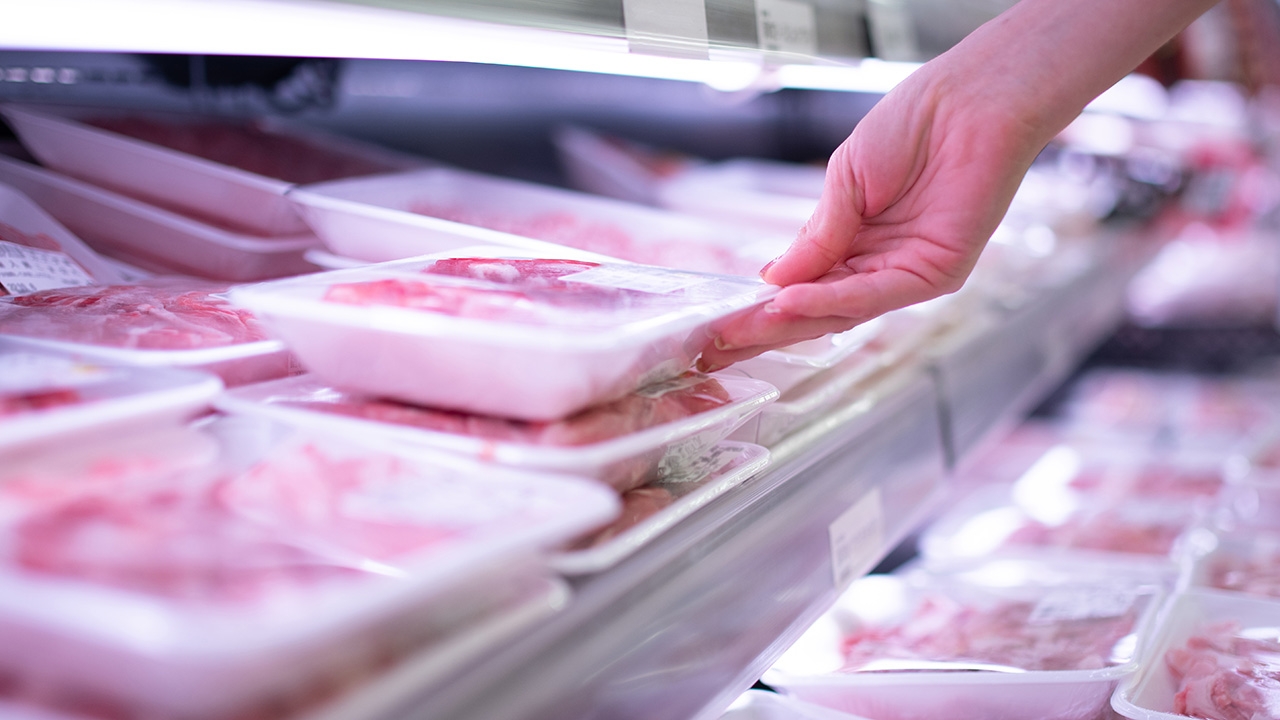
The Permanent Secretary of Commerce clearly explained the strict ban on importing US pork containing ractopamine, while updating progress on the ART agreement and emphasizing the FTA fund to compensate and provide time for farmers to adjust.
Mr. Poonpong Nainapakorn, Permanent Secretary of the Ministry of Commerce, addressed concerns over opening agricultural markets, especially pork, due to the US use of ractopamine, a harmful growth stimulant, under the Thailand-US Agreement on Reciprocal Trade (ART). He confirmed the strict prohibition on importing pork with ractopamine, emphasizing the Ministry has not negotiated to open markets for products that harm public health. However, details of the agreement remain confidential and cannot be fully disclosed at this time.
Regarding agricultural product purchases and opening markets to the US, most items are already in demand in Thailand, such as animal feed corn and soybeans, which Thailand cannot produce sufficiently. Some products, like aircraft and military equipment, already have purchase contracts. Thailand sometimes sources these from elsewhere but aims to shift imports more towards the US to help balance trade, as the US is Thailand’s number one export market, valued at nearly 3 trillion baht annually—about 25% of total exports. Thailand ranks fifth worldwide in trade surplus with the US, which seeks to reduce its deficit. Meanwhile, Thai goods need US import tariffs close to competitor countries to maintain competitiveness.

Nevertheless, the Ministry of Commerce assures it strives to protect the interests of local farmers and businesses, minimizing negative impacts by coordinating negotiation stances with government agencies, the private sector, and experts across the agricultural supply chain—from production to distribution.
Concerning the import of animal feed corn, a source of worry, Thailand currently produces about 5 million tons annually, while domestic demand is roughly 9 million tons, requiring some imports. Increasing import sources is a way to manage raw materials and reduce costs for the animal feed industry.
This will benefit livestock operators—pig, chicken, shrimp, fish farmers—but must be balanced with measures to protect domestic corn farmers' prices. A committee on animal feed corn policy and management, including farmer representatives, will consider appropriate measures.
Mr. Poonpong added that signing a joint statement between Thai and US leaders does not mean the agreement takes immediate effect. It must undergo Thailand’s internal legal processes, including legal wording reviews, Cabinet approval for signing, public disclosure, public hearings, and parliamentary consideration before enforcement.
“Signing today doesn’t mean everything is settled; future issues will be addressed. Negotiations must maintain balance from the start among industry, export sectors, and farmers. We must protect our people to avoid internal conflict. Trade negotiations never fully benefit or harm one side; both must gain balanced advantages. Thailand evaluates value in preserving export markets, employment, domestic raw material use, and long-term production bases. If signing results in Thailand losing or losing more than gaining, we will not sign. Thus far, we believe the process is worthwhile but await further details.”

Ms. Chotima Iamsawatdikul, Director-General of the Department of International Trade Negotiations, said the ART talks involved close consultations with relevant government and private agencies to incorporate proposals and concerns into Thailand’s negotiation stance. Details of each product’s market opening remain undisclosed.
“This doesn’t mean all product categories must open immediately. There is time for Thai businesses and farmers to adjust before tariff reductions, with different adjustment periods per product. The maximum period cannot be disclosed yet.”
Regarding assistance for those affected by trade liberalization, there is currently a fund for adjustment support and mechanisms from various agencies—including the Ministry of Agriculture and Cooperatives, the Fiscal Policy Office, and the Office of Small and Medium Enterprises Promotion (OSMEP)—to aid SMEs and farmers. These resources can be used to support those impacted by any free trade agreement (FTA), not limited to US trade.
Ms. Chotima also addressed Thailand’s request for the US to reduce import tariffs on Thai goods under Section 301 concerning forced labor—from the current 12.5% to 10%—following the joint statement signed by Thai and US leaders on 17 Nov 2023 GMT+7 regarding ART negotiation progress. She said this reduction is not yet official because the US already applied the 12.5% tariff mid-last year. To reduce tariffs, the US must amend its announcement, which is under US review. Also pending is the Section 301 investigation on excess capacity, with the US expected to announce results soon. The US may reduce tariffs on both issues together or separately, but the final rate for Thailand is expected to be close to competitors in the US market.
“Thailand wants tariff rates comparable to key competitors to maintain competitiveness of Thai products in the US market, especially major agricultural products like rice, cassava, and shrimp. Facing tariffs as high as 36% or more would make Thai goods less competitive.”
Read more news " State Policy Additional