

An 86-year-old man tore his ballot paper at a polling station in Pua district, Nan province. The Election Commission ruled there was no intent to damage the ballot, attributing the incident to a misunderstanding. This incident highlights the limitations elderly voters face in understanding election procedures and ballot formats.
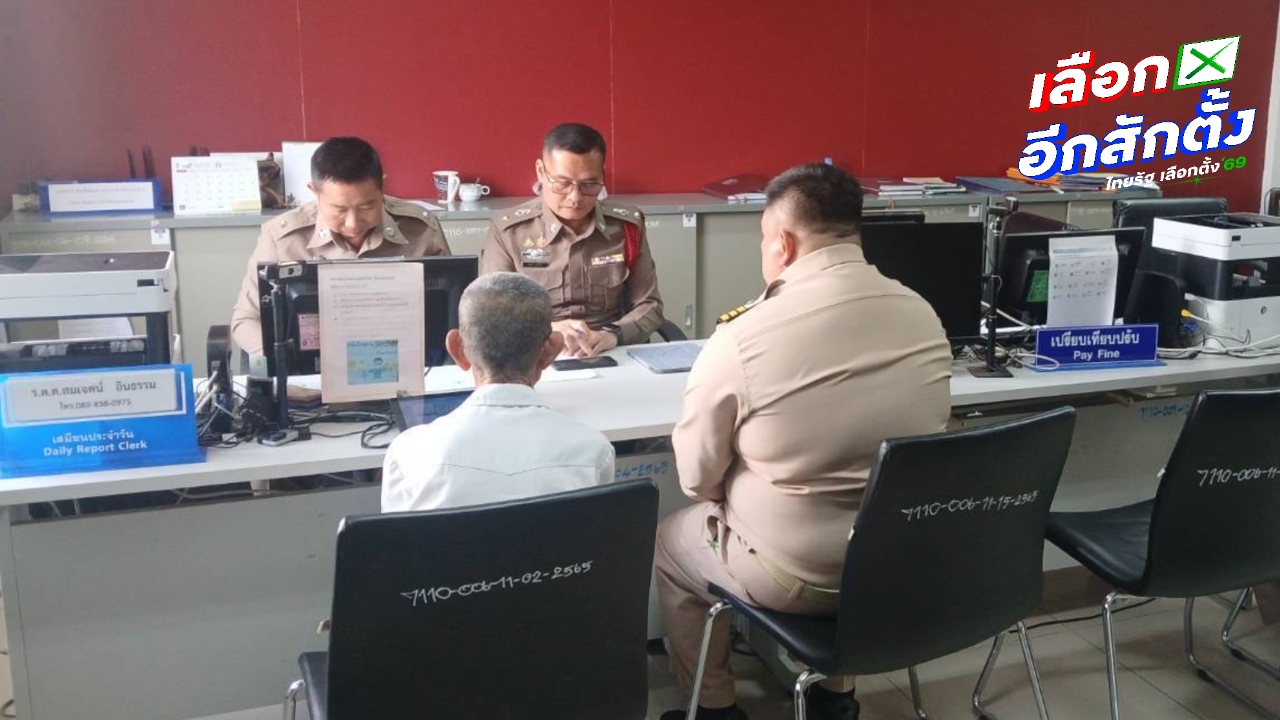
On 8 February 2026 at about 13:30, Police Lieutenant Colonel Nopporn Sukkan, an investigator at Pua Police Station, Nan province, received a report from police officers assigned to polling station number 9, Moo 1, Ban Na Pan, Sathan subdistrict, Pua district, Nan province, that a voter had damaged a ballot paper.
After receiving the report, he informed Police Colonel Boonsong Nikornthuan, the superintendent of Pua Police Station, and proceeded to inspect the polling station. Upon inquiry, it was found that the person involved was Mr. Chuen Karat, aged 86, residing in Moo 1, Sathan subdistrict, Pua district, Nan province.
Preliminary information revealed that Mr. Chuen had come to vote as usual. After receiving the constituency representative ballot paper, he unfolded it and tore along the perforation on the ballot due to a misunderstanding, which resulted in damage to the ballot paper.
Subsequently, Mr. Chuen reported the incident to Mr. Prul Yaparn, aged 45, a committee member at polling station number 9, and expressed that he did not wish to request a new ballot. The polling station committee collectively considered the matter and concluded there was no intent to destroy the ballot, but rather it was a misunderstanding by an elderly voter. They recorded the incident as evidence to report to the Nan Provincial Election Commission for further action according to regulations.
This case of an 86-year-old voter damaging his ballot due to a misunderstanding reflects the challenges elderly voters face in comprehending election procedures and ballot formats, especially ballots with folds and perforations, which can cause confusion.
Election officials in various areas have noted that some elderly voters require close guidance on voting steps—from receiving the ballot, marking it, to folding it before depositing it into the ballot box—to prevent unintentional mistakes.
Election experts suggest that in an aging society, election management should include clearer communication measures, such as large explanatory signs with clear fonts, demonstrations of procedures before entering the voting booth, and having staff or volunteers provide appropriate guidance without compromising ballot secrecy.
Meanwhile, election operation officials stated that such incidents are not considered illegal if there is no intent to destroy the ballot. However, this serves as an important lesson indicating the need to adapt election processes to the growing elderly population, ensuring all voters can exercise their rights correctly and equally.