

"Livestock Office Region 5" clarifies the cause of death for 72 tigers. Autopsy results show infection with canine distemper virus combined with bacterial infection from ticks and fleas, and emphasizes that the disease does not spread to humans.,
On 21 Feb 2026 GMT+7, Livestock Office Region 5 issued a statement explaining the facts regarding the deaths of tigers at the zoo operated by Koom Suea Trakarn Co., Ltd. Between 8 and 18 Feb 2026 GMT+7, a total of 72 tigers died, with 21 deaths at Koom Suea Mae Rim and 51 at Koom Suea Mae Taeng.
Dr. Peeraphon Noinafai, Livestock Officer Region 5, and Dr. Anusorn Homkajorn, Chiang Mai Livestock Officer, disclosed results after collecting pathological samples since 13 Feb 2026 GMT+7. They confirmed no genetic markers of influenza A virus or avian influenza virus (AIV) were found. Instead, infections from two main causes were identified: canine distemper virus (CDV) and Mycoplasma bacteria (Mycoplasma spp.), both key factors in the illness and death of the tigers in the area.
Canine distemper is highly contagious through direct contact with bodily fluids and airborne transmission, severely affecting the respiratory, digestive, and nervous systems. Meanwhile, Mycoplasma bacteria are transmitted by ticks, fleas, and stable flies, causing anemia by destroying red blood cells. Stress factors in captive animals and sudden weather changes also contribute. Coinfection by the virus and bacteria exacerbates disease severity.
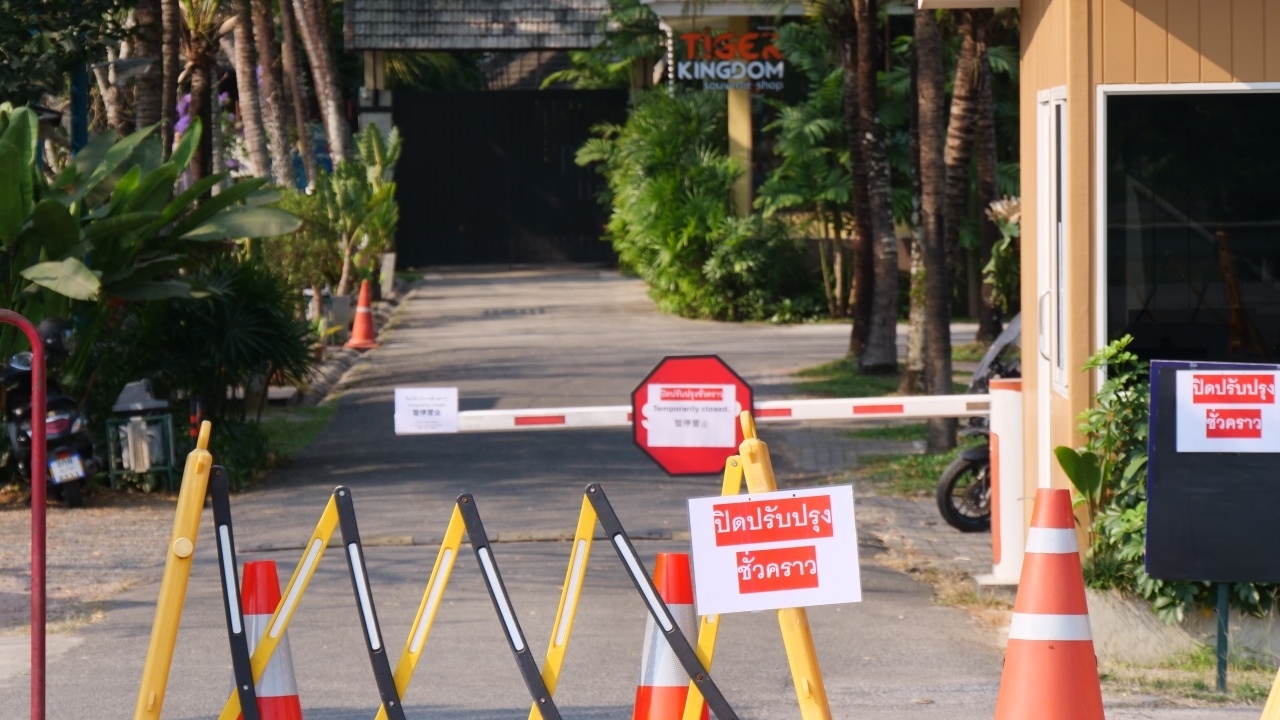
The Livestock Office officially confirmed that the disease cannot be transmitted from animals to humans. All caretakers and staff have undergone health checks and were found to be healthy. The remaining tigers were relocated to an animal care center in Mae Taeng district. Meanwhile, the Mae Rim branch was temporarily closed for 14 days for cleaning and disinfection following epidemiological standards before considering reopening after the situation improves.
Regarding the timeline of the losses, the crisis began on 8 Feb 2026 GMT+7 when 33 tigers initially showed lethargy and mild illness. The outbreak rapidly spread, resulting in continuous deaths. From 8 to 18 Feb 2026 GMT+7, a total of 72 tigers died—21 at Koom Suea Mae Rim and 51 at Koom Suea Mae Taeng. The peak was on 12 and 13 Feb when 45 tigers died within just two days. Currently, 44 tigers remain at Mae Rim and 130 at Mae Taeng.
Regarding public concerns about the carcasses of the many dead tigers, especially their valuable skins and fangs, Mr. Kritsiyam Kongsatri, Director of Administration Office 16, explained that carcass disposal has been completed. Initially, burning was used, but due to limited cremation capacity, the method changed to burial in pits within the Koom Suea Mae Taeng area. Each pit was clearly marked with flags and systematically labeled with the identification numbers of the buried tigers.
Disinfectants were then applied according to scientific protocols to prevent contamination and disease spread. Koom Suea staff managed all steps, under close supervision and control by Livestock Office officials and the Conservation Area Management Office 16 in Chiang Mai.
However, the Koom Suea Mae Rim area remains closed, prohibiting unrelated outsiders from entering. Staff reported a thorough big cleaning with disinfectant sprayed over every inch. All employees passed health screenings with no abnormalities found. Officials plan to hold an official briefing with more details soon.