

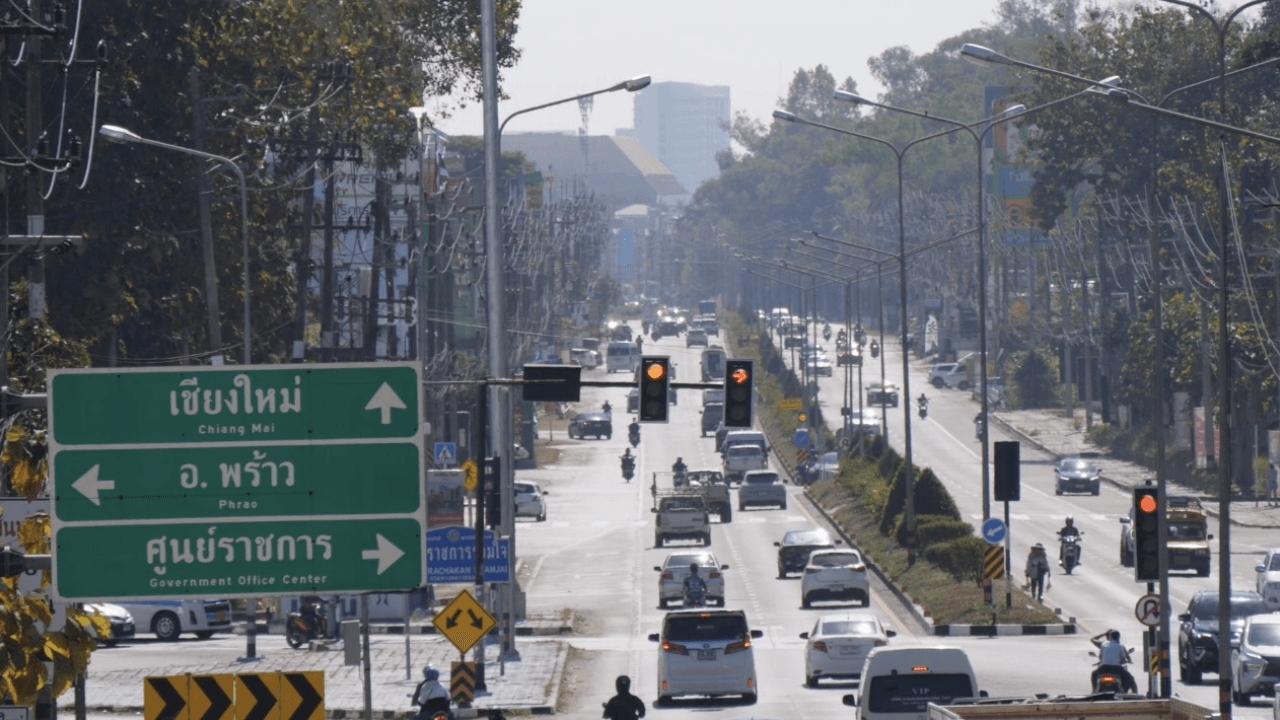
Chiang Mai is engulfed in dust as PM 2.5 levels surge. Authorities detected 24 forest fire hotspots. The Department of Disaster Prevention and Mitigation urgently dispatched KA-32 helicopters to drop water and extinguish fires throughout the day. Doctors warn at-risk groups to closely monitor their health and avoid outdoor activities.
On 4 March 2026, reporters reported that air quality in Chiang Mai province has entered a critical phase, with the entire city filled with haze. The highest hourly PM 2.5 concentration reached 215 micrograms per cubic meter in Hang Dong Subdistrict, Hod District. Meanwhile, many areas in the city and nearby districts recorded PM levels exceeding 100 micrograms per cubic meter.micrograms per cubic meterThe cause is winds carrying smoke and dust from forest fires, both from southern districts of the province and cross-border smoke from northern border districts.

Meanwhile, the forest fire situation continues with hotspots detected in several districts. Today, the Chiang Mai Provincial Command Center for Forest Fire, Haze, and Fine Particulate Matter reported 24 forest fire hotspots, with the most in Doi Tao District. The Department of Disaster Prevention and Mitigation deployed KA-32 helicopters to conduct multiple water-dropping flights throughout the day to control the situation and prevent the fire lines from expanding.

Dr. Waranyu Jamnongprasartporn, Chiang Mai Provincial Public Health Doctor, warned that vulnerable and sensitive groups to PM 2.5 exposure must be especially cautious while pollution levels exceed standards. These include the elderly, children, pregnant women, and people with chronic diseases such as emphysema, asthma, and heart disease. They should avoid or reduce outdoor activities, and if going outside is necessary, wear dust masks at all times. Those with chronic conditions should monitor their health, prepare medications and necessary equipment, and seek medical attention promptly if symptoms worsen.
For the general public, it is advised to avoid outdoor activities and monitor their health. If they experience unusual symptoms such as frequent coughing, difficulty breathing, rapid breathing, shortness of breath, wheezing, chest tightness, chest pain, palpitations, nausea, fatigue, or dizziness, they should promptly visit a doctor.
