

A middle-aged man from Phetchabun suffered a brain hemorrhage and was declared brain dead. His family decided to donatehis organsaccording to hisfinal wishesto create agreat meritto help save four more lives
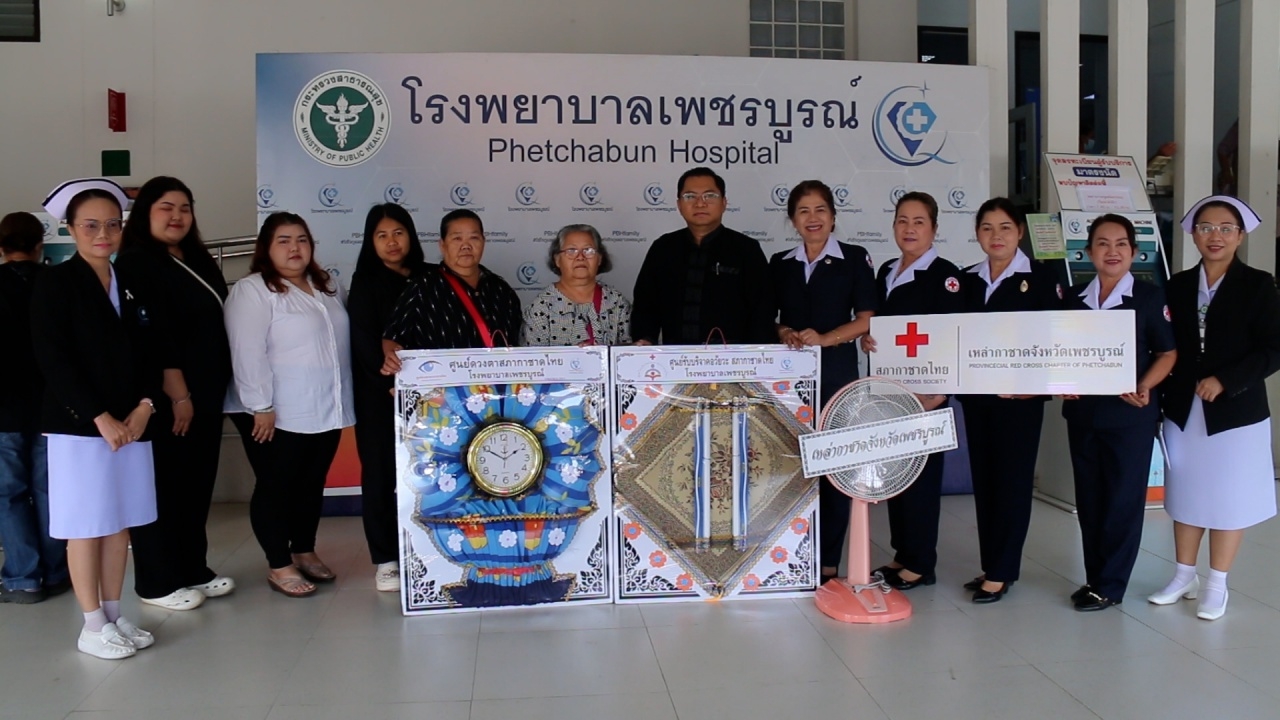
On 4 March 2026, Dr. Sirichai Sornthatthamrong, Deputy Director of Phetchabun Hospital, along with doctors, nurses, and members of the Phetchabun provincial Red Cross, presented a certificate and funeral wreath to Mr. Prathan Jan-yaem, 50, from Chonphrai Subdistrict, Mueang Phetchabun District, who passed away and donated his corneas and kidneys to the Thai Red Cross, enabling help for four other patients.

Miss Mirantee Kaeo-iam, 25, the donor's sister, revealed that her brother had no family, worked various odd jobs, and lived with their elder sister. Around noon on 2 March, she found him unconscious face down on the floor under the house and quickly took him to the hospital. It was later confirmed he had suffered a brain hemorrhage. Although doctors provided full treatment, he was declared brain dead, which medically means he was deceased.
Nurses discussed the organ donation program, and since her brother had previouslyexpressed the desireto donate his organs and body to the hospital, she and the family agreed to honor his wishes. It turned out that four organs could be donated: both eyes and both kidneys, which helped save and restore sight to four other patients. This was a final great merit for her brother, with hopes that this good deedwould lead him toa better afterlife.

Ms. Chamaiporn Sithong, an experienced professional nurse and head of the organ donation center at Phetchabun Hospital, said the patient arrived with a brain hemorrhage. Despite full medical efforts, brainstem death occurred, which medically means death. They then discussed organ donation to help other patients. Even though the deceased had previously expressed his wishes, without family consent, the hospital could not use the organs.
In this case, the family recognized the importance of the program and consented. The donated organs—both eyes and both kidneys—can help four other patients awaiting transplants.
