

The Middle East conflict has caused a shortage of urea fertilizer. A major fertilizer agent in Nang Rong district, Buriram province, revealed that all urea brands in stock will last less than a week after the main company announced no new shipments. They believe the next batch will have higher prices, affecting both dealers and farmers.
On 9 Mar 2026 GMT+7, reporters reported that the ongoing unrest in the Middle East, which seems likely to continue, has begun affecting urea fertilizer dealers whose products are produced and imported from the Middle East. A survey of retail and wholesale fertilizer shops in Nang Rong district, Buriram province, found many stores near stock depletion. Several urea brands on hand at some shops will last less than a week because the main companies reported no new shipments due to transportation problems caused by the war. They also expect the new urea batch to have price increases. Dealers and agents must absorb higher costs to keep fertilizer available for customers.

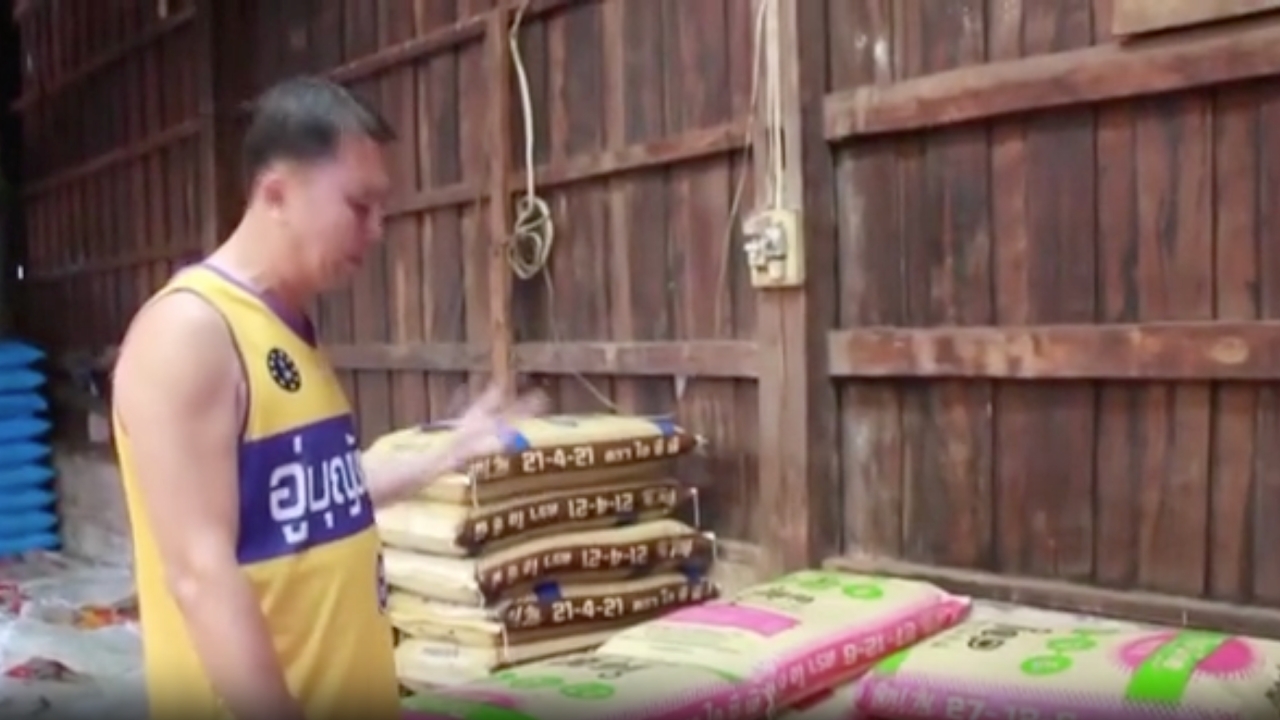
Mr. Rujipas Limkhosit, also known as Hia James, owner of a major retail and wholesale fertilizer shop in Nang Rong district, showed the news team the remaining urea stock, finding some brands with fewer than 10 sacks left. He explained the existing stock is running low because factories or main companies have not delivered new supplies, citing the Middle East war causing transportation obstacles. The company informed that new urea shipments may see a price increase of 50 baht per sack, which will impact both dealers and farmers. Currently, the impact is limited as it is the off-season for rice planting, but starting May, the main rice planting season begins, and farmers will be directly affected. If farmers cannot afford fertilizer, dealers will see reduced sales. Also, if a brand farmers want is unavailable at the store, they may not return to buy again, causing further effects. He hopes the war will end soon and that measures will support both dealers and farmers.